
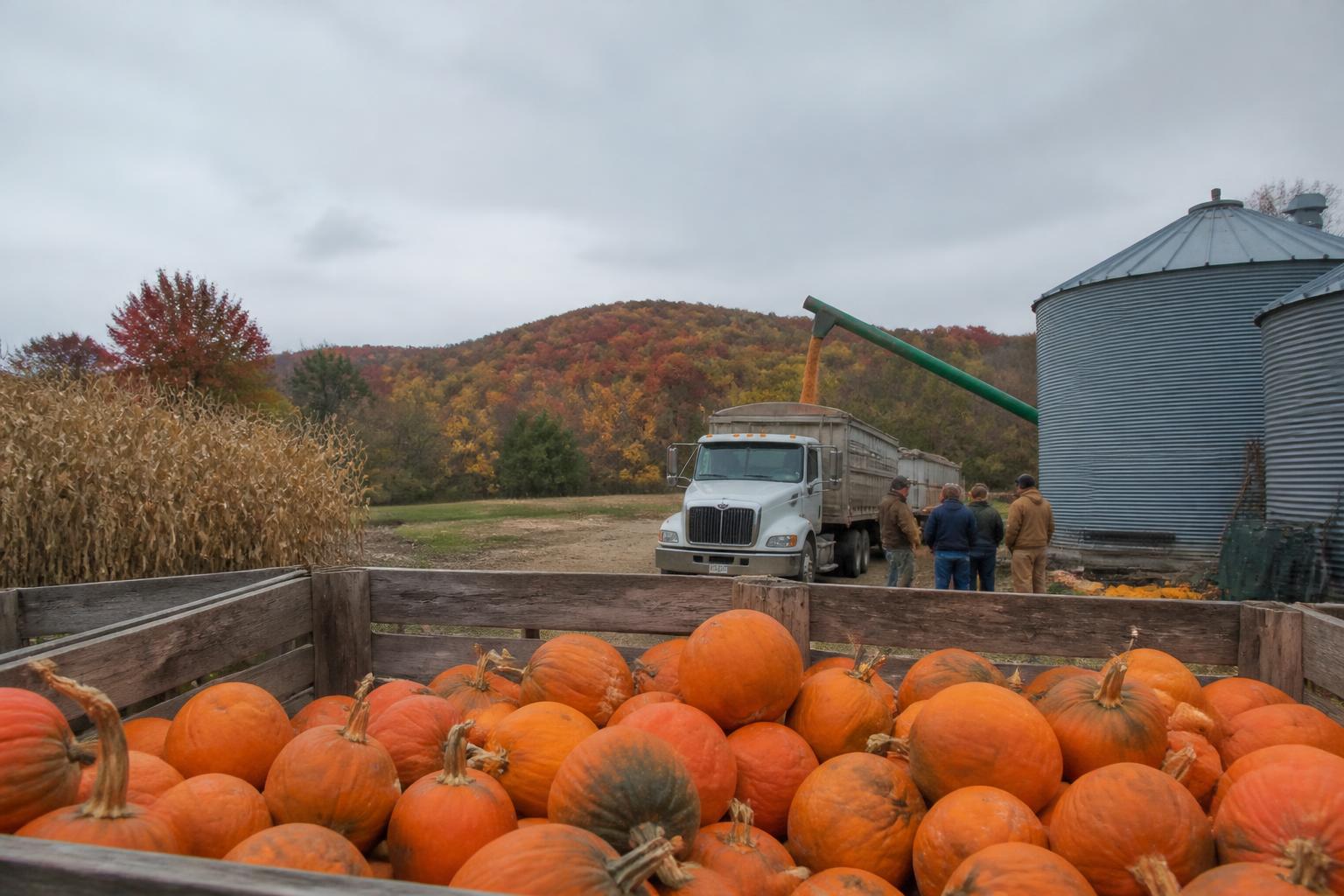
For Louisiana farmers and agribusiness operators, the transition into late autumn brings a renewed focus on soil health and input procurement. While harvest activities across the state continue to wind down in areas like the Red River Valley and the coastal parishes, the conversation in the countryside has shifted toward balancing next season's budget against the realities of global fertilizer supply chains. Producers often find that early-season planning is essential, particularly when navigating the volatility inherent in input procurement.
Input Dynamics and Global Supply
Market analysts have recently pointed to the complex interplay of supply and demand that continues to influence the fertilizer sector. As companies look toward long-term projections, local dealers and distributors are monitoring how global manufacturing output affects regional inventory levels. For those managing operations in Louisiana, these shifts in supply can often lead to fluctuating procurement timelines, making it vital to maintain open communication with trusted suppliers as you prepare for the upcoming spring cycle.
Managing Field Needs and Regional Conditions
Beyond the market charts, local soil conditions remain the primary driver for on-farm decision-making. As weather patterns influence crop residue management and nutrient application strategies, staying attuned to field-level requirements is more important than ever. Whether you are assessing the results of recent soil tests or evaluating the need for corrective treatments to address specific nutrient deficiencies in local pastures or fields, the precision of your input usage often dictates the efficiency of your operation. You can learn more about how Louisiana agribusinesses are managing input supply challenges as they navigate these evolving conditions.
What it means for the market
Ultimately, the current fertilizer landscape requires a proactive stance. For Louisiana growers, this means keeping a close eye on logistical lead times and regional price trends. While global market forces are often beyond local control, the ability to anticipate supply shortages and lock in input requirements early remains a practical tool for maintaining profitability and stabilizing farm operations heading into the next year.
Comments
No comments yet - be the first to share your take.