
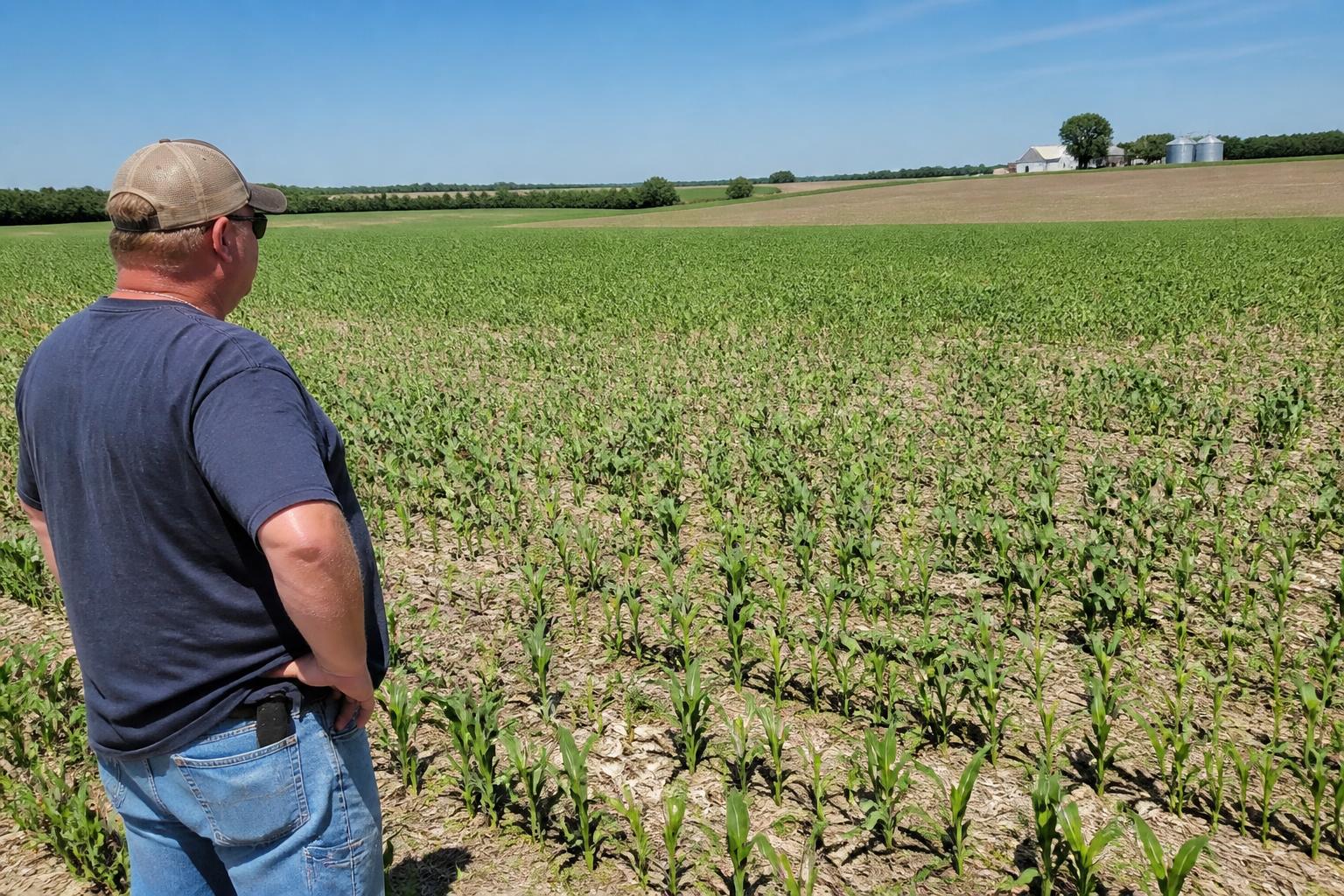
As the summer heat intensifies across the High Plains, Wyoming grain producers and agricultural businesses are closely monitoring weather patterns, global market signals, and changing regulatory landscapes. Crop management in the state requires a delicate balance between water availability and soil productivity, especially as neighboring regions deal with severe dryness. Local grain operations are increasingly adopting highly responsive, demand-driven planting and marketing strategies to navigate these production hurdles.
Dryness Challenges and Crop Decisions
While moisture conditions vary significantly across Wyoming's counties, the threat of drought remains a constant factor for summer crop progress. With some producers in neighboring Nebraska comparing recent dry spells to historical dust bowls and choosing to leave substantial portions of their land unplanted, Wyoming growers are keeping a close watch on regional water supplies. Irrigation resource management in areas like the Bighorn Basin and along the North Platte River corridor is crucial for keeping barley, wheat, and forage crops viable through the hot summer months.
To mitigate these risks, many local grain operations are tailoring their crop rotations strictly to contracted demand rather than relying on speculative open-market sales. Incorporating crop insurance protection and focusing on water-efficient grain varieties are common regional practices. For a deeper look at managing these challenges, growers can review the Wyoming water and crop innovation outlook to see how regional operators are adapting.
Regulatory Updates and Land Management
On the policy front, several national decisions are impacting long-term planning for Wyoming agribusinesses. Recent judicial developments, including the Supreme Court siding with Monsanto regarding Roundup cancer warning labels, have provided some regulatory clarity for crop protection inputs. This ruling offers grain handlers and input buyers a more predictable framework regarding the distribution and use of glyphosate-based products, which remain a standard tool for weed management in conservation tillage systems.
Additionally, public land access and logistics corridor rules continue to evolve. The support from the Wyoming congressional delegation for decisions to rescind restrictive federal roadless rules highlight ongoing efforts to maintain flexible transport and resource access across the state. For grain haulers and rural carriers, well-maintained access roads are vital for moving harvest loads from remote fields to main highway corridors like Interstate 80 and Interstate 25.
Local Value Chains and Global Pressures
Global trade developments, such as the lack of immediate market relief following international diplomatic agreements, have kept commodity prices volatile. Consequently, some Wyoming agricultural entrepreneurs are looking inward, building stronger local value chains and farm-to-table networks. While this trend is highly visible in the regional specialty wool and beef sectors, grain and feed producers are also finding niche opportunities by supplying local livestock feedlots and regional food processors directly, reducing their dependence on volatile export terminals.
What it means for the market
For Wyoming grain growers and elevator operators, the current environment demands strict cost control and strategic marketing. With input costs remaining elevated and global grain supplies fluctuating, securing pre-harvest contracts and focusing on high-quality forage and food-grade grains can provide a financial buffer. Elevators and logistics providers should prepare for localized transport challenges and keep communication lines open with growers to optimize bin space and truck scheduling as the mid-to-late summer harvest approaches.
Comments
No comments yet - be the first to share your take.