
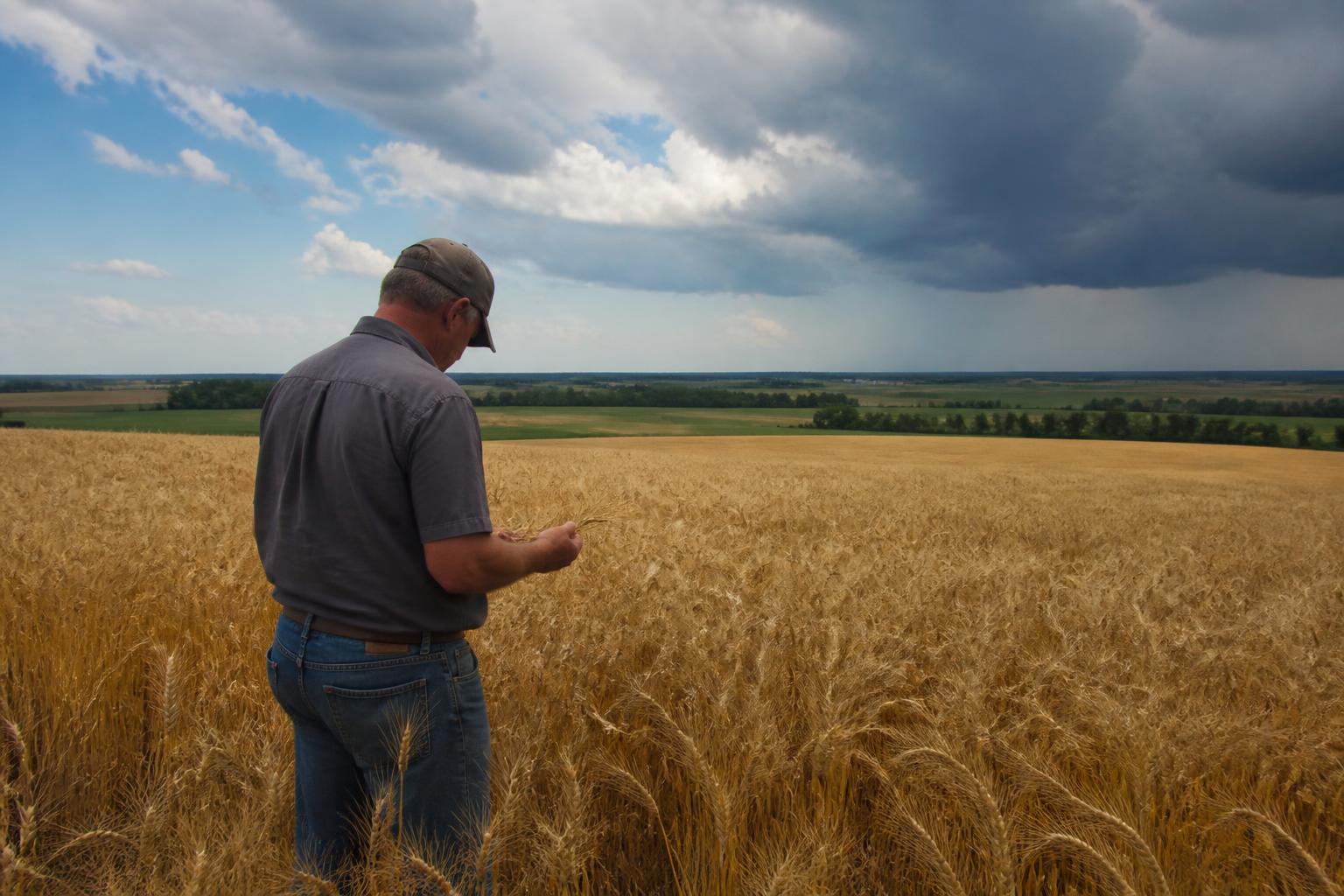
As the summer harvest season moves into full swing across the high plains and river valleys of Colorado, local grain producers are facing a complex landscape of flat prices, rising logistics considerations, and resource constraints. With major national grain contracts experiencing a holding pattern, growers are looking for localized opportunities to maximize their returns and manage risk.
New Options for Colorado Grain Producers: The Rise of Ultragrain
Colorado dryland and irrigated growers are continuously looking for crop varieties that optimize yield and quality. The introduction of a new Colorado-grown "Ultragrain" variety is generating interest across the eastern plains and the Front Range. Offering an alternative to traditional hard white winter wheat, this development gives regional producers another tool to meet specific milling demand. By adopting high-quality wheat alternatives, Colorado farms can better position themselves to capture premium pricing, especially when standard crop varieties face stiff global competition. Staying ahead of these shifts is crucial for identifying emerging Colorado grain market trends and maximizing returns.
Wheat Markets Remain in a Holding Pattern
The broader U.S. wheat market has found itself in a holding pattern as summer harvesting gets underway. This leveling off follows a period of volatility, including price declines in Soft Red Winter (SRW) wheat futures markets earlier in the year. Regional logistics also face pressure, with shippers monitoring broader transport policy changes and international trade developments. Additionally, national discussions surrounding federal funding pauses and foreign aid freezes have left many grain handlers and exporters uncertain about long-term demand channels.
Water Pressures and Summer Realities
In western Colorado, local crop performance highlights the sharp divide between irrigated successes and dryland struggles. While specialty crops like Olathe sweet corn have seen highly productive seasons, overall water availability remains a looming threat. Long-term water supply concerns, including the potential for "dead pool" status for major regional reservoirs, loom large over agricultural planning. Under these conditions, senior water rights may prove secondary if physical water volumes in river basins drop too low. This reality is forcing many operations to rethink their crop rotations and water usage, a topic closely tied to managing summer storage tradeoffs and water pressures across the state.
Key Takeaways for Colorado Producers
- The introduction of a new Colorado "Ultragrain" variety provides a localized alternative for hard white winter wheat producers looking to capture mill premiums.
- U.S. wheat markets are currently sitting in a holding pattern amid shifting federal aid policies and early-year price declines.
- Critical water rights and reservoir levels continue to drive long-term strategic planning for irrigated acres in western Colorado.
What it means for the market
For Colorado grain elevators, producers, and marketing cooperatives, the current summer climate demands high flexibility. Navigating a flat national wheat market requires taking advantage of local premium varieties like the new Ultragrain, while keeping a close eye on logistics channels and storage capacity. Farmers who manage their water resources carefully and time their commercial physical deliveries strategically will be best positioned to weather the mid-summer marketing lull.
Comments
No comments yet - be the first to share your take.