
The Impact of Jones Act Waivers on Input Logistics
As the fall season progresses, the logistics of moving essential agricultural inputs remain a critical focus for U.S. agribusinesses. Recent federal extensions of Jones Act waivers have generated discussion regarding their potential to influence the movement of fuel and fertilizer supplies. By easing specific maritime transport restrictions, these policy measures aim to provide more flexibility for domestic distribution, potentially alleviating some of the regional bottlenecks that often complicate fertilizer procurement during peak periods.
For growers and retailers, the primary question remains whether these adjustments will translate into measurable cost savings at the farm gate. While policy shifts are designed to support more efficient supply chains, market participants should continue to monitor global pressures and domestic input strategy to better understand how these logistical changes interact with broader price volatility. Effective planning during the current window requires a close watch on regional delivery schedules and carrier availability.
Early Application Trends and Seasonal Strategy
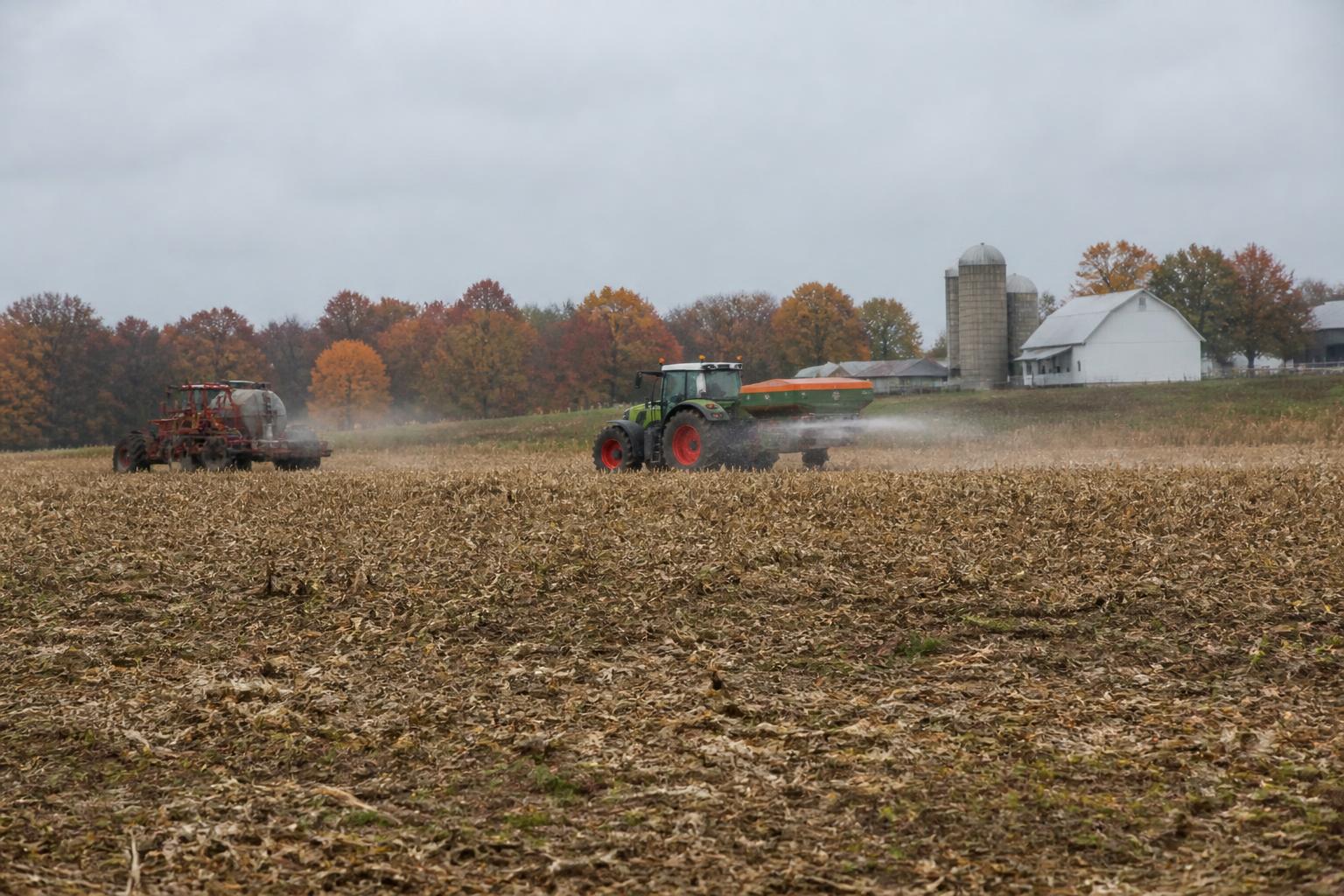
In many parts of the Midwest, including Missouri, field activity has seen an earlier start to fall fertilizer applications than in previous years. Early application can be an effective strategy to avoid the logistical scramble as winter approaches, but it requires careful coordination with local soil conditions and nutrient management goals. As farmers look ahead, balancing immediate field needs with the long-term outlook for input pricing is essential for sound financial planning.
Agribusinesses are noting that while input cost projections for the upcoming season are showing signs of stabilization, volatility remains a fixture of the current landscape. Keeping close ties with local suppliers and staying informed on regional delivery windows remains the best defense against unexpected supply disruptions during critical application months.
Key Takeaways
- Policy extensions regarding maritime transport are currently providing a wider window for the movement of fertilizer and fuel.
- Early field application in key agricultural regions is helping some producers manage their workload before winter conditions take hold.
- Producers should maintain open communication with retail partners to ensure supply availability, despite potential improvements in logistical flexibility.
What it means for the market: While legislative support for transportation logistics provides some breathing room, supply chain efficiency remains highly dependent on regional demand and timing. Farmers and handlers should leverage these policy windows to secure necessary inputs early, keeping a cautious eye on how global energy and commodity markets continue to influence localized pricing.
Comments
No comments yet - be the first to share your take.