
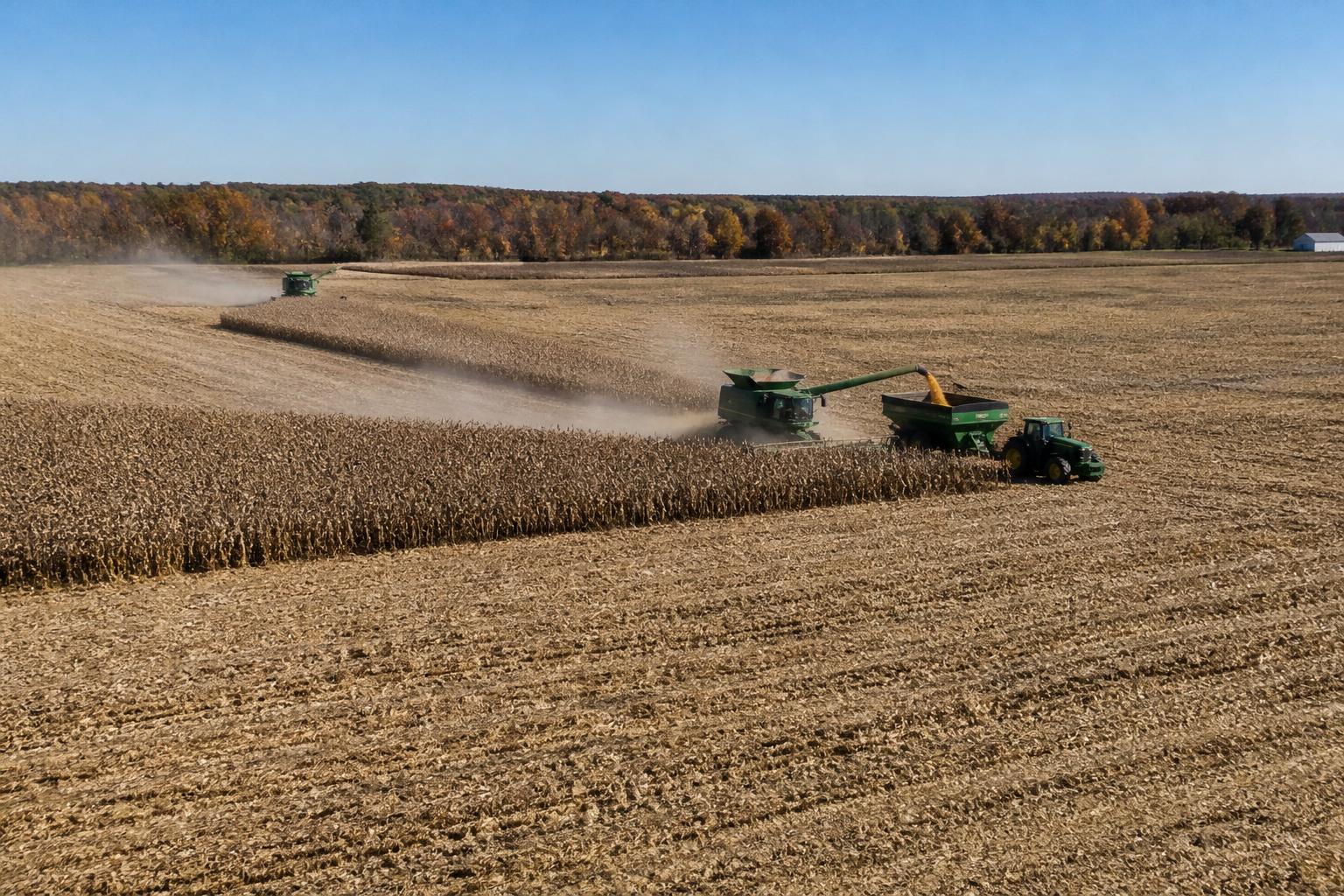
With the Michigan soybean harvest wrapping up and corn progress nearing the three-quarter mark, producers across the state are transitioning their focus from field operations to long-term input planning. The recent stretch of dry weather has been a major tailwind, accelerating field work and allowing for a smoother logistical flow as grain moves from the field to regional elevators.
However, as storage facilities reach capacity and harvest activity winds down, the conversation in the countryside is shifting toward the upcoming nutrient management season. Producers are navigating a complex market environment where input costs remain a significant factor in operational budget projections for the coming year. While there have been reports of some relief in fuel prices, fertilizer price trends continue to command close attention from agribusinesses and growers alike.
Logistical Shifts and Supply Chain Nuance
Market watchers are keeping a close eye on supply chain flexibility as farmers look to secure early-season product. The periodic extensions of Jones Act waivers have provided some breathing room for the transport of essential agricultural inputs, helping to stabilize supply chains that might otherwise face volatility. For Michigan growers, this policy context is critical as regional hubs work to balance the inflow of fertilizer with the intense logistical demands of the late-fall harvest window.
Strategic Planning for 2027
With USDA reports highlighting sustained production cost pressures, including projections for high corn input expenses, efficiency has become the primary metric for success. Many producers are utilizing this post-harvest period to evaluate precision application techniques and voluntary nutrient management practices. These strategies are increasingly viewed not just as regulatory compliance measures, but as essential tools for optimizing yield potential in a high-cost environment.
Beyond the field, the state continues to see investment in infrastructure, such as the rehabilitation and expansion of grain processing facilities. These projects are expected to provide long-term benefits to the local supply chain, potentially reducing bottlenecks for producers navigating the intersection of crop storage and input delivery cycles.
What it means for the market
The convergence of a timely harvest and evolving input costs creates a critical window for Michigan producers to finalize their procurement strategies. As logistical constraints ease post-harvest, proactive communication with regional suppliers and careful monitoring of energy-indexed nutrient prices will be key to managing bottom-line stability as the winter planning season commences.
Comments
No comments yet - be the first to share your take.