
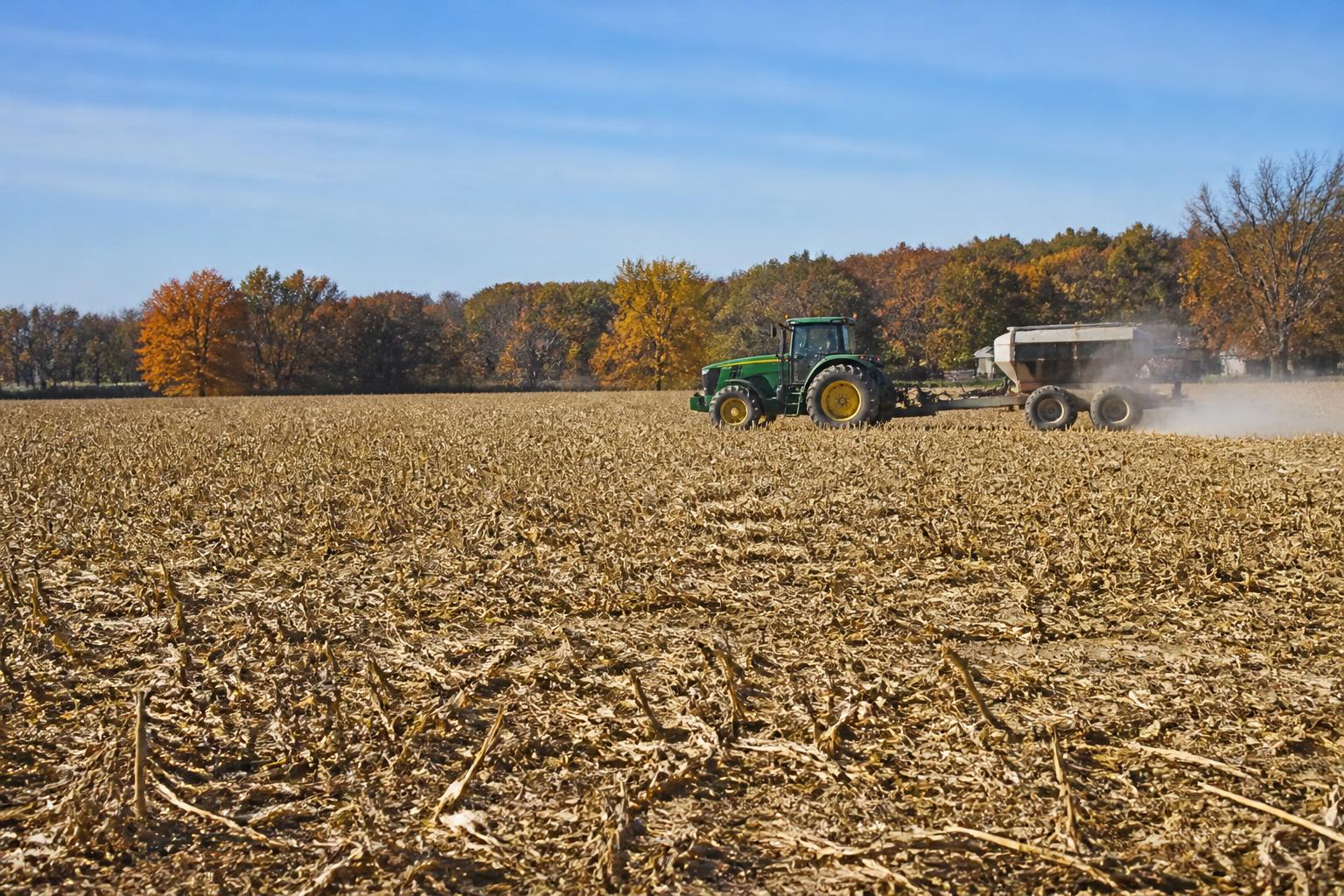
As the agricultural season shifts into late fall, U.S. growers and ag retailers are monitoring emerging trends in the fertilizer market. Recent market reporting suggests that a majority of major fertilizer benchmarks have experienced a slight uptick in pricing, a development that warrants close attention as producers begin to plan their input procurement strategies for the upcoming season.
Understanding the factors influencing these price movements is essential for effective risk management. For those looking to optimize their operational approach, navigating the nuances of fall logistics and shifting policy trends can provide a competitive advantage in a fluctuating market.
Evaluating the Current Input Landscape
The recent moderate increases across multiple fertilizer categories reflect a broader trend of supply chain sensitivity. While the current price adjustments are often localized or category-specific, they underscore the necessity for agribusinesses to maintain flexible inventory management. Ag retailers and grain handlers are often forced to contend with global market disruptions that can indirectly pressure regional input costs, even when domestic demand remains steady.
Strategic Considerations for Growers
Beyond the raw price data, growers are weighing the implications of cost-efficiency in their nutrient management programs. Discussions surrounding grant programs and direct-to-farm initiatives continue to spark debate regarding the transparency and efficacy of volume-based pricing structures. For the average farmer, the priority remains securing high-quality inputs at reliable price points before seasonal logistics constraints, such as rail or truck availability, tighten further into the winter months.
Key Takeaways
- Price monitoring shows upward pressure on a majority of key fertilizer benchmarks.
- Proactive planning remains critical as logistical bottlenecks often occur toward the end of the fall application window.
- Input procurement strategies should account for potential volatility in global supply chains.
What it means for the market
For farmers and input buyers, the current market climate serves as a reminder that stability is rarely guaranteed in the fertilizer sector. While current price increases may appear incremental, their impact on the bottom line during planting season can be significant. Early communication with local suppliers and a disciplined approach to supply chain logistics remain the most effective ways to mitigate the impact of rising input costs.
Comments
No comments yet - be the first to share your take.