
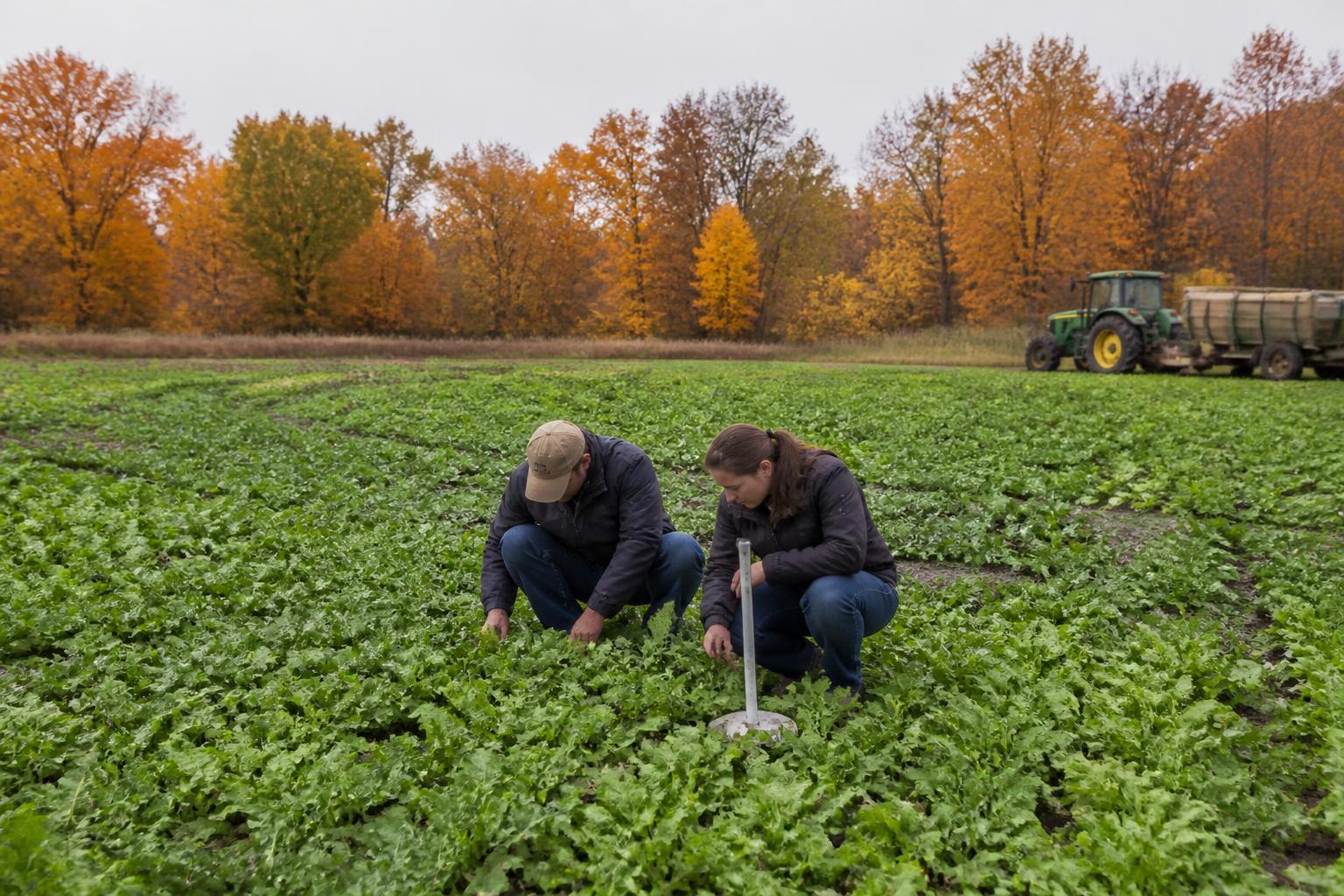
Innovating Weed Control Strategies
Tennessee producers may soon see the results of a significant regional collaboration as University of Tennessee researchers join a broad effort aimed at developing next-generation weed-control technologies. With a total project funding reaching $53 million, this initiative seeks to address persistent pressure in agricultural fields by introducing more efficient management tools. For local growers, staying ahead of resistant weed populations remains a critical component of maintaining high-yield potential across the state's diverse crop land.
Building Resilience Against Climate Stress
Beyond weed management, protecting crops from the increasing frequency of extreme weather events remains a top priority for Tennessee agribusinesses. Emerging research suggests that the application of agricultural lime may provide a practical buffer for plants during intense heatwaves. By modifying soil conditions, this practice could potentially help crops maintain better health even under environmental duress. Understanding these evolving strategies for Tennessee farmers is essential for those looking to stabilize long-term output in an unpredictable climate.
Practical Considerations for Soil Health
- Assess current soil pH levels before considering lime applications to ensure nutrient availability.
- Monitor local pilot programs that demonstrate new weed-control efficacy in Tennessee soil types.
- Evaluate how climate-resilient practices can be integrated into existing crop rotation schedules.
What it means for the market: As these new technologies and soil management practices reach commercial scale, Tennessee farmers may find themselves with more versatile toolkits to mitigate risk. Focusing on both high-tech weed suppression and fundamental soil conditioning will likely continue to be a dominant theme for regional operations as we look toward future growing seasons.
Comments
No comments yet - be the first to share your take.