
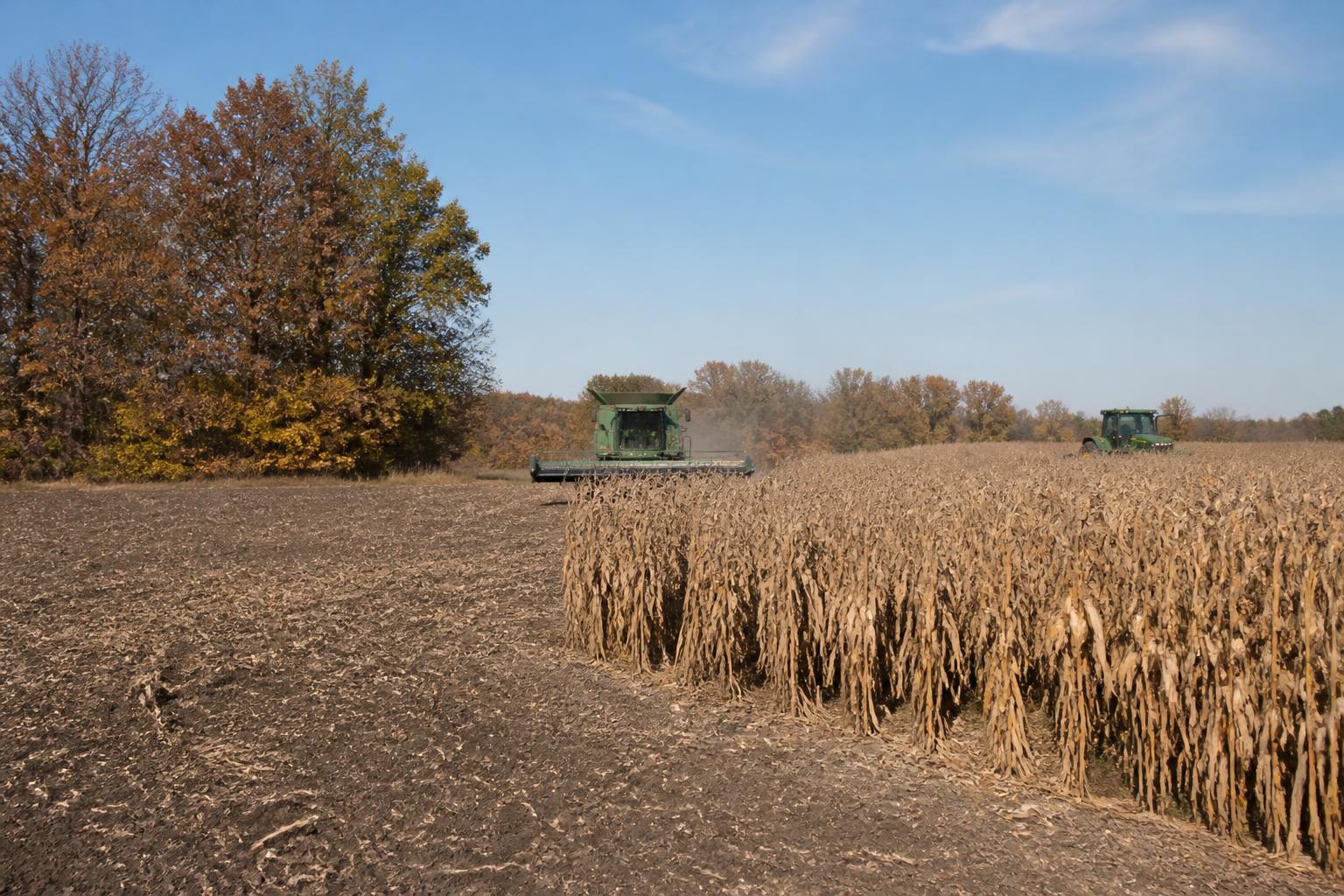
For Washington farmers and agribusiness stakeholders, the current period remains a time of strategic assessment. While harvest activity has largely concluded across the state, the focus has shifted toward regulatory oversight and long-term land management. Decisions occurring at the federal level, particularly regarding the status of the Farm Bill and ongoing discussions around permit reform, continue to be primary points of interest for local operators managing inputs and supply chains.
Regulatory Landscapes and Farm Management
Operational stability is often tethered to broader policy outcomes. In recent discussions, agricultural priorities within Congress remain a focal point, as stakeholders anticipate legislative movement that could impact everything from risk management programs to technical support for regional growers. For many, these policy shifts necessitate a proactive approach to managing input costs and evaluating long-term resource allocations.
Land Use and Regional Investment
Washington's agricultural landscape is also seeing shifts in property ownership and infrastructure development. Recent legal developments, such as judicial rulings clearing the way for significant farm asset transitions, underscore the high stakes involved in regional land management. These changes often trigger secondary effects for local contractors, input suppliers, and logistics providers who rely on consistent regional output to maintain their operations.
Logistics and Market Resilience
Efficiency in moving product remains paramount as the state navigates a complex economic environment. Growers continue to address challenges related to seasonal logistical tightness and the broader impacts of export infrastructure. As terminals and grain handlers adjust their capacity to meet international demand, maintaining a clear line of communication between producers and transport providers can help mitigate potential bottlenecks.
What it means for the market
The convergence of legislative uncertainty and evolving land ownership patterns suggests that Washington producers should maintain a conservative outlook on capital expenditures heading into the next cycle. By focusing on efficient inventory management and staying informed on potential policy pivots—such as trade discussions and regulatory changes impacting the broader agricultural market—agribusinesses can better position themselves to withstand potential volatility in the coming months.
Comments
No comments yet - be the first to share your take.