
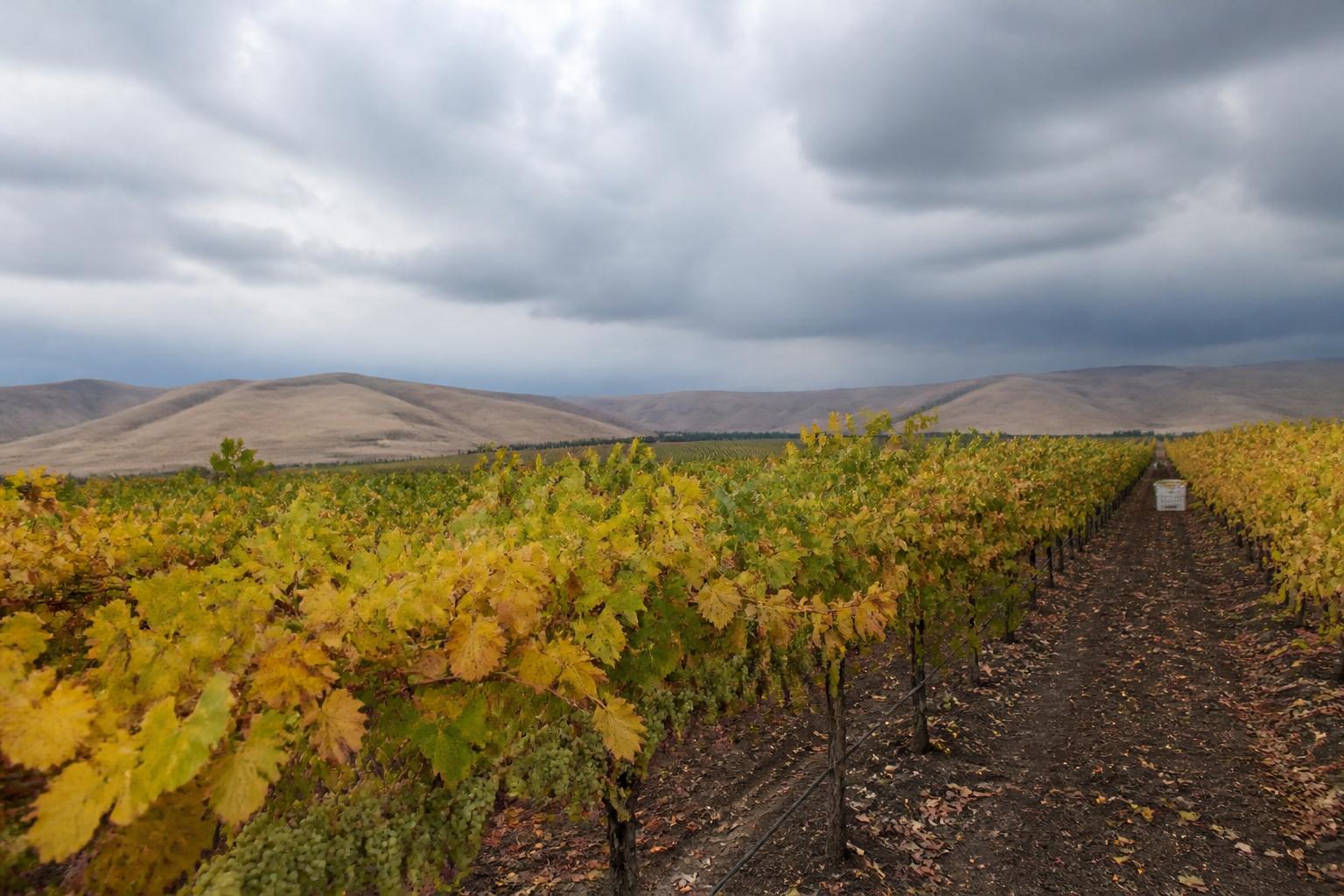
As California enters the final stages of the fall harvest, producers are closely monitoring shifting weather patterns. Recent reports indicate that Pacific storm systems may introduce potential delays for growers looking to wrap up late-season field operations. In regions where soil moisture levels are already a concern, these intermittent weather fronts require careful management of logistics and equipment schedules to protect crop quality.
Amid these environmental challenges, growers have new options for crop protection. Federal regulators have recently cleared a plant-based biofungicide for use on key specialty crops, including grapes and almonds. This development offers producers an additional tool to manage disease pressure while potentially meeting evolving operational and regulatory requirements that continue to shape the California agricultural landscape.
Adapting to Seasonal Challenges
For operations in agricultural hubs such as the Central Valley and coastal growing regions, the combination of late-season rain risks and the introduction of new biological inputs highlights a shift toward more resilient management strategies. Integrating these tools into existing pest management plans may help mitigate losses from late-season humidity, particularly as growers balance the need for rapid harvest completion with strict quality standards.
Maintaining equipment readiness remains essential, as timing windows for field work can narrow rapidly under current conditions. Whether managing table grapes or tree nuts, the ability to pivot between traditional practices and newer, sustainable-focused inputs can provide a vital buffer against unpredictable weather events.
What it means for the market
For farmers and agribusinesses, the primary focus is minimizing downtime. While the adoption of bio-based crop protection signals a long-term trend toward integrated management, the immediate market reality is dictated by the ability to move harvested goods to storage or distribution points without weather-related spoilage. Market participants should prioritize communication with logistics providers and input suppliers to ensure that supplies are available as field conditions evolve through the end of the month.
Comments
No comments yet - be the first to share your take.