
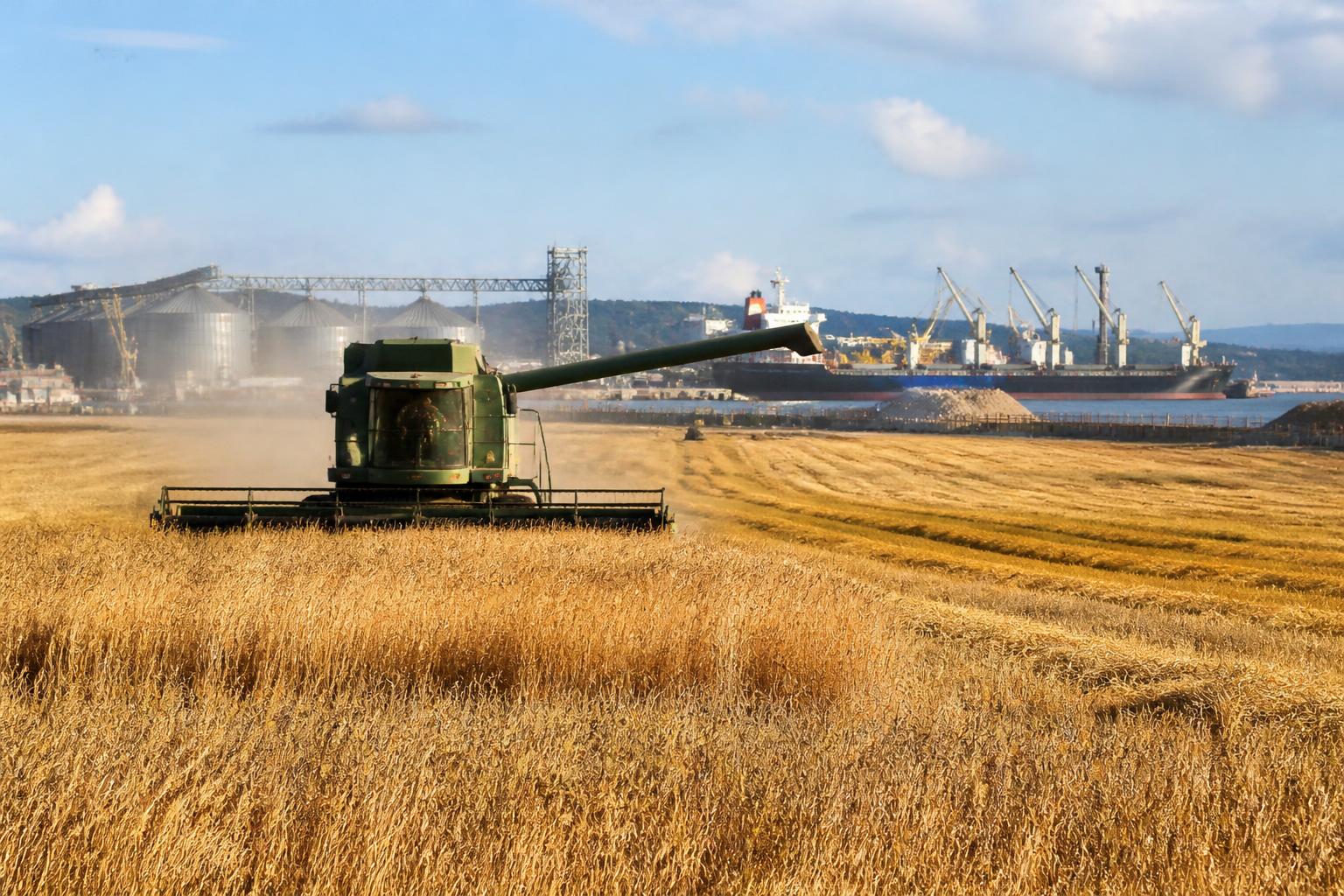
Mid-November market activity in Portland continues to draw focus as grain handlers and producers evaluate late-season movement. Current bids for wheat and oats remain a primary indicator for logistics planning across the state, particularly for those moving commodities through Columbia River terminals. With the fall season in full swing, local elevators are closely monitoring vessel traffic and export demand to ensure capacity aligns with regional harvest throughput.
Oat Market Dynamics and Research Investment
The oat sector is seeing renewed interest, underscored by recent efforts to bolster research into production efficiency. While regional market dynamics are often influenced by global export trends, domestic developments in oat research could eventually provide producers with more resilient options. Strengthening these foundational elements of the supply chain is essential for long-term viability, especially as Oregon grain and organic market trends continue to show sensitivity to shifting trade variables.
Logistics and Regional Considerations
For growers and carriers, navigating the corridor between the Willamette Valley and the Portland ports requires careful coordination during this time of year. Rainfall and seasonal road conditions can impact transit times, making it critical for agribusinesses to stay informed about infrastructure throughput. As producers look to optimize their market positioning, awareness of Oregon agricultural outlook and labor challenges remains a standard part of business risk management.
What it means for the market
Producers should continue to watch Portland bidding consistency as a proxy for export health. While immediate pricing reflects current port inventories, the long-term potential for higher-yield oat varieties—backed by recent research grants—suggests that input planning for the coming seasons may benefit from a more diversified crop strategy.
Comments
No comments yet - be the first to share your take.