
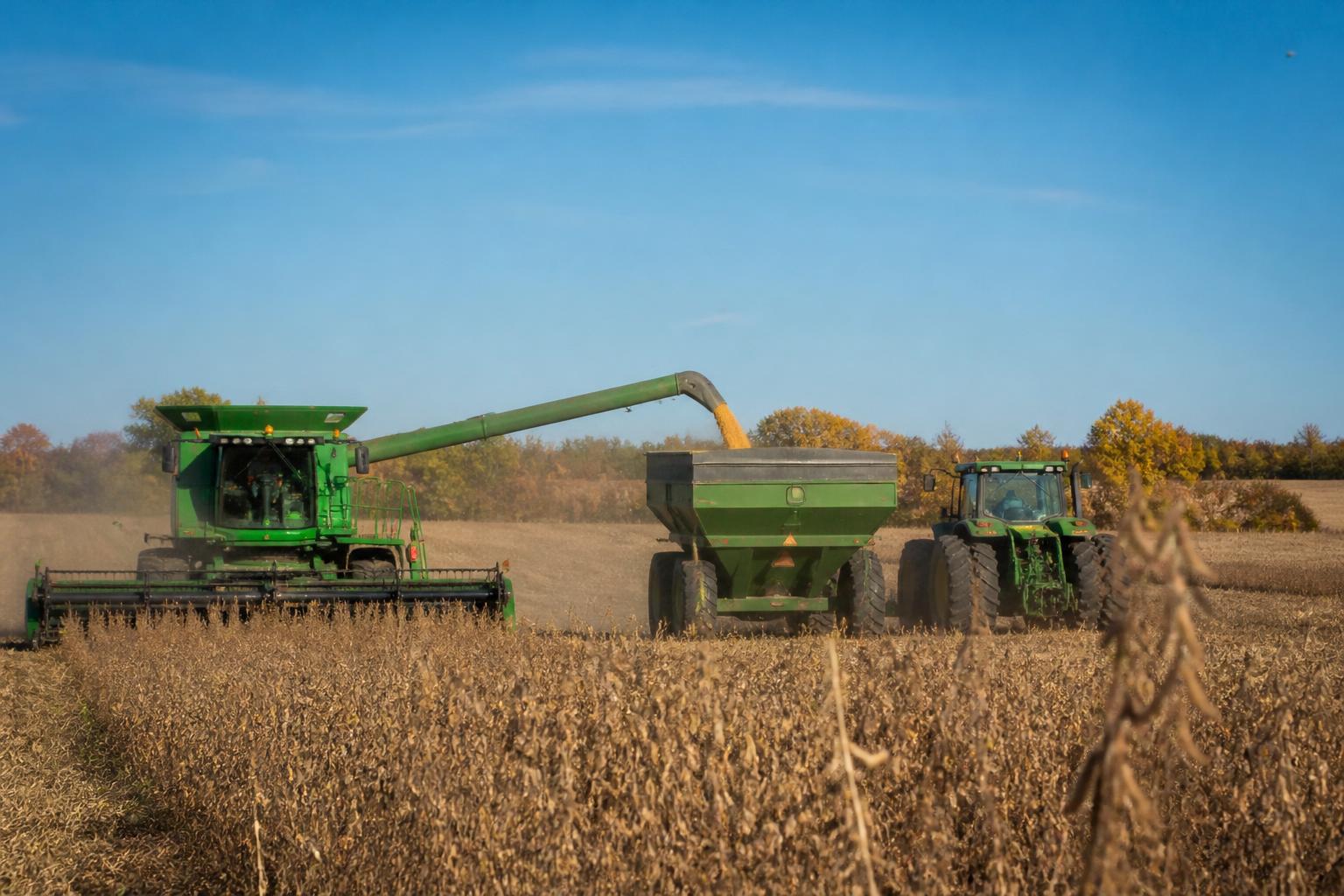
As the final stages of the fall harvest conclude across North Dakota, agricultural stakeholders are assessing a season defined by a diverse range of yields and quality metrics. For many producers, this period remains a critical time for evaluating the storage and marketing strategy before winter operations fully take hold. While local financial conditions have remained strained throughout the quarter, there is a guarded sense of optimism within the sector as market participants look toward the coming year.
Operational efficiency remains a focal point for grain handlers and producers alike. With harvest activities winding down, the emphasis shifts toward movement and storage management. Infrastructure developments, such as the expansion of key transit routes like the US85, continue to be monitored by local agribusinesses as they anticipate long-term improvements in regional logistics and commodity transport.
Refining Post-Harvest Logistics
In various counties, the focus has moved from field operations to final grain handling. Maintaining competitive access to local markets is essential as elevators manage capacity and transit schedules. For those overseeing grain inventories, the current environment emphasizes the importance of understanding regional price sensitivities and the influence of larger, national market trends on local basis levels.
The agricultural landscape in North Dakota continues to be shaped by both local infrastructure investments and broader, national-level policy discussions. As farm policy experts and producers engage in ongoing dialogues about the future of federal agricultural programs, maintaining a clear view of local supply chains is key to navigating the complexities of the current grain cycle.
What it means for the market
For farmers and handlers, the current market climate necessitates a disciplined approach to inventory management and expense control. As the sector transitions into the winter months, monitoring regional logistical updates and maintaining tight control over storage costs will be fundamental to weathering the current financial strain while positioning operations for the upcoming planting season.
Comments
No comments yet - be the first to share your take.