
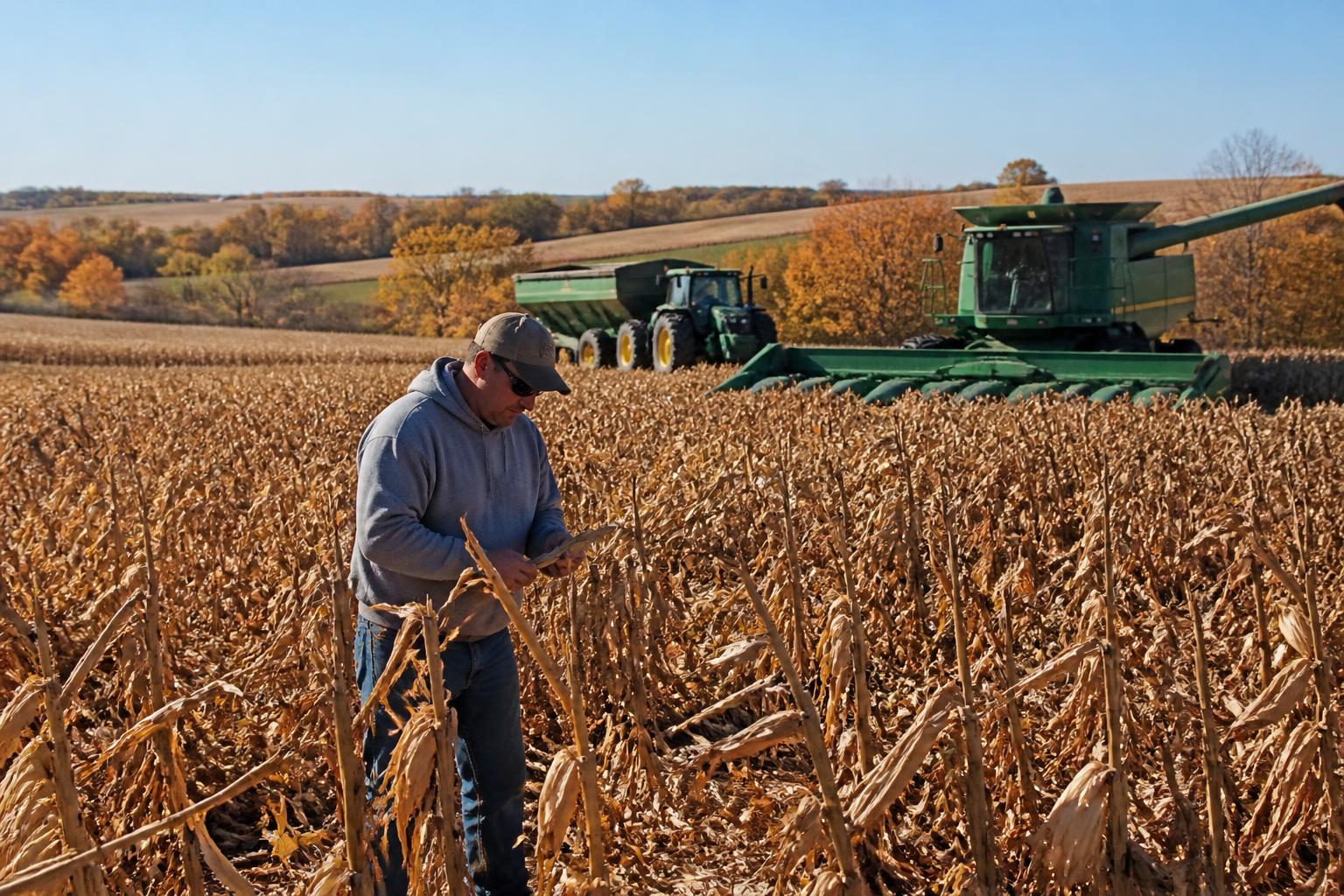
As the fall harvest season progresses across Nebraska, regional authorities have recently taken proactive steps to ensure the stability of grain storage infrastructure. The regulatory oversight of grain elevators remains a critical component of maintaining producer confidence and market liquidity. Ensuring that facilities operate with valid licensure is essential for protecting the interests of farmers throughout the state, particularly during periods of high delivery volume.
Maintaining oversight can help address potential vulnerabilities in local grain supply chains. For producers looking to manage their inventory, understanding the logistics of late-season storage and transport is vital. Consistent adherence to industry regulations not only safeguards stored grain but also promotes a transparent environment for buyers and sellers active in the Nebraska market.
Regulatory Oversight and Market Confidence
State-level management of grain storage, including the closure of facilities failing to meet licensing standards, reflects a broader push to prioritize data accuracy and financial security in the agricultural sector. In many cases, these efforts are mirrored by wider industry trends where firms are adjusting their investment priorities, such as shifts in crop protection businesses or advancements in farm data management tools. Producers are encouraged to verify the standing of their delivery partners as they navigate the complexities of this year's harvest.
Building Resilient Grain Networks
Nebraska's agricultural landscape is often defined by its ability to adapt to changing infrastructure and economic demands. While the focus remains on the current harvest, the lessons learned from recent regulatory actions and infrastructure pressures serve as a reminder for operators to maintain stringent internal controls. As the season winds down, keeping communication channels open with elevator operators and transportation partners can mitigate risks associated with storage bottlenecks.
What it means for the market
For Nebraska farmers and agribusinesses, the increased scrutiny on grain elevator operations highlights a tightening of standards designed to secure the supply chain. While administrative updates may cause temporary localized friction, the long-term impact is a more reliable storage network that protects farmer equity and streamlines the movement of grain to regional and global markets.
Comments
No comments yet - be the first to share your take.