
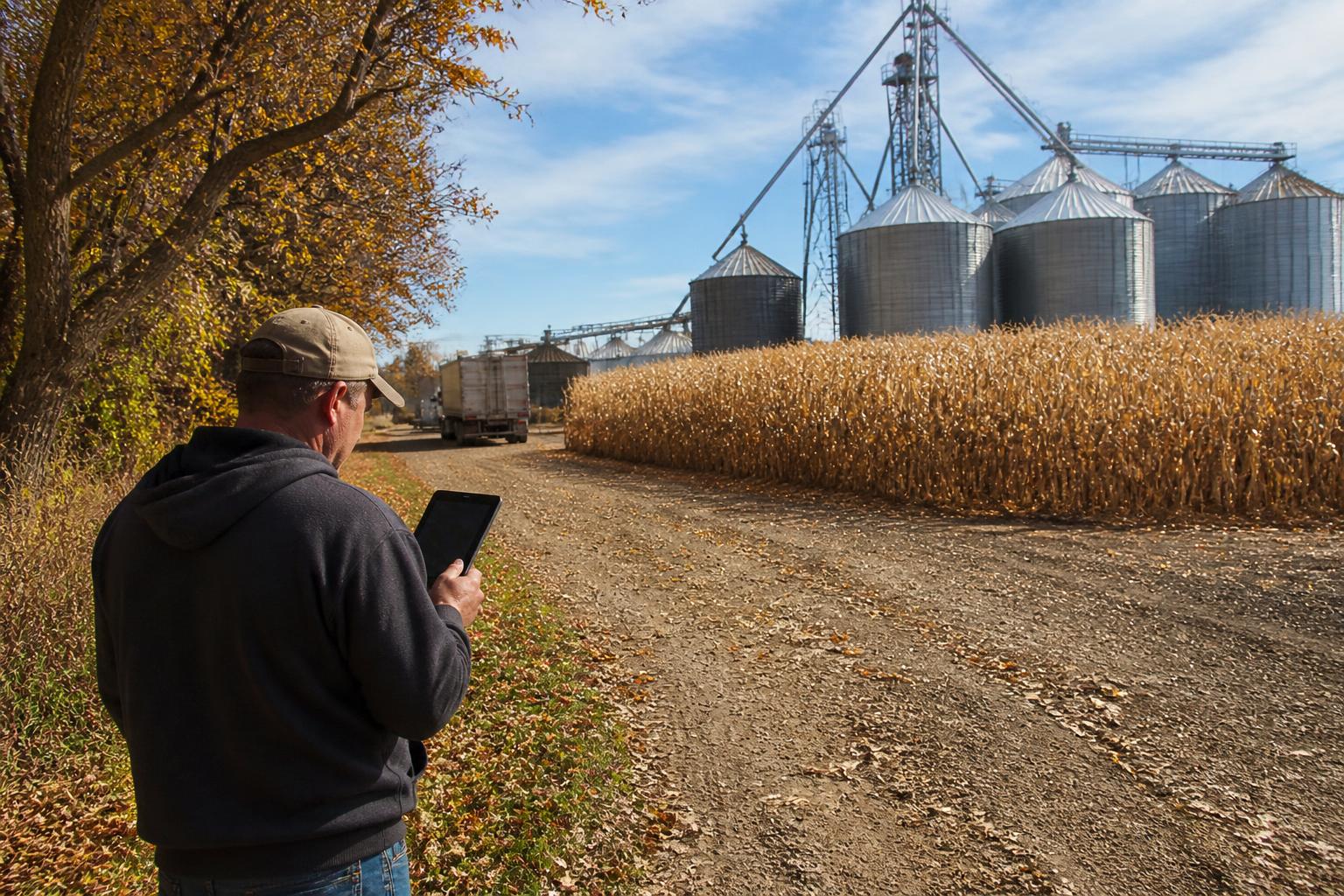
As Michigan farmers wrap up late-season field activities, the agricultural landscape remains defined by a complex interplay of logistical pressures and shifting input markets. While the focus across counties from the Thumb to the southern tier often shifts toward winter maintenance and planning, producers continue to monitor the intersection of high operational costs and evolving global fertilizer trends.
Diesel prices continue to present a persistent financial challenge, impacting the bottom line for those hauling inputs or managing late-harvest logistics. These fuel-related overheads are forcing a more critical look at farm economics, especially as growers begin drafting their input budgets for the upcoming year. Understanding how these localized logistical constraints interact with broader market signals is essential for sound management of fertilizer procurement and storage strategies.
Global Market Dynamics and Local Impact
The fertilizer market remains sensitive to international volatility, which can create ripples in local supply chain availability and pricing. Producers are advised to remain agile, as shifts in global demand and supply-side uncertainties often precede adjustments in regional retail pricing. While international supply chains fluctuate, Michigan growers are increasingly focusing on precision in their application methods to maximize efficiency, a strategy that helps buffer against the impact of elevated input expenses.
Logistical Considerations for Michigan Producers
Beyond the cost of goods, the efficiency of getting materials to the field continues to be a priority. With the recent attention toward infrastructure investments in agricultural processing hubs, such as the efforts surrounding the ZFS facility in Riga, there is a renewed emphasis on the state's capacity to handle grain and inputs more effectively. Efficient logistics, combined with careful monitoring of transportation-related costs, remain a key pillar for sustaining farm profitability in the face of current market pressures.
For more insights on regional logistics, growers are closely tracking how logistical pressures and supply chain bottlenecks continue to shape the movement of fertilizers across Michigan's major agricultural corridors as we head into the off-season.
What it means for the market
The market for fertilizers in Michigan is currently entering a period of strategic procurement. With diesel prices keeping operational costs elevated, producers should prioritize early planning and explore precision application options. While global factors continue to inject uncertainty into the long-term outlook, local farmers who leverage better logistics and maintain tight control over variable costs are better positioned to weather the current economic climate.
Comments
No comments yet - be the first to share your take.