
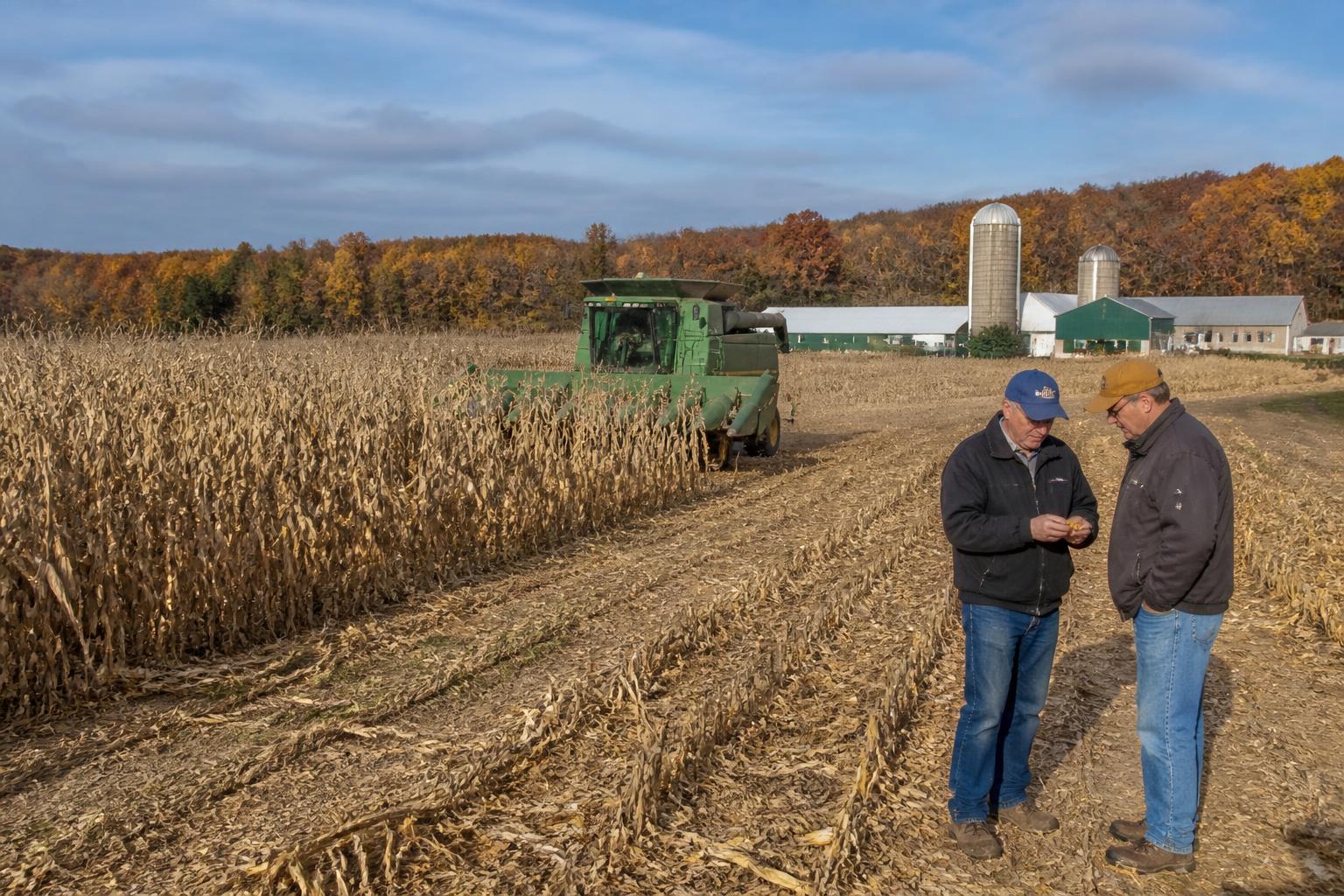
Michigan agricultural producers are currently navigating a complex financial environment as they wrap up harvest operations and look toward the upcoming season. With national agricultural reports indicating that crop production costs are projected to reach historic highs in 2027, fertilizer procurement and management strategies have moved to the forefront of operational planning. For growers across the state, from the fertile soils of the Saginaw Valley to the rolling fields of the southwestern corridor, controlling input expenditures remains a critical priority.
Managing Input Volatility in a Tight Market
The current market for crop inputs remains sensitive to broader economic indicators, including logistics and fuel price fluctuations. While producers have recently observed some easing in diesel costs, the overall cost structure for high-intensity nutrients remains elevated. Smart nutrient application and efficient logistics can act as buffers against this pressure. Utilizing soil testing to optimize application rates ensures that fertilizer investments are targeted precisely where yield potential is highest, reducing waste and improving the bottom line.
Logistics and Regional Stability
Moving inputs into and across Michigan requires efficient planning, particularly as regional grain handling and storage facilities manage high throughput during the fall window. As producers look to secure supply for next year, coordinating with local elevators and chemical retailers early may help mitigate potential transport bottlenecks. For operations managing diverse portfolios, such as the growing demand for milk components in the state, balancing specialized feed needs alongside traditional crop input supply chains is becoming an increasingly nuanced aspect of farm management.
Strategic Planning for 2027
Efficiency is no longer just about yield; it is about input-to-output optimization. Whether assessing the benefits of precision agriculture technology or evaluating innovations in soil nutrition, Michigan producers are demonstrating resilience. Those who integrate robust record-keeping, such as that encouraged by state environmental stewardship programs, often find themselves better positioned to access new funding opportunities or optimize existing ones. Keeping an eye on energy-related overhead remains a vital component of protecting thin margins during this period of high overhead.
What it means for the market
Producers should prepare for a high-cost environment in the coming season by prioritizing budget flexibility and early input procurement. By focusing on nutrient-use efficiency and monitoring fuel-sensitive transport routes, agribusinesses can better navigate the current financial climate. As harvest concludes, the focus shifts toward securing the supplies needed for a successful planting phase, emphasizing that proactive management of soil fertility is one of the most effective tools for maintaining profitability in a volatile market.
Comments
No comments yet - be the first to share your take.