
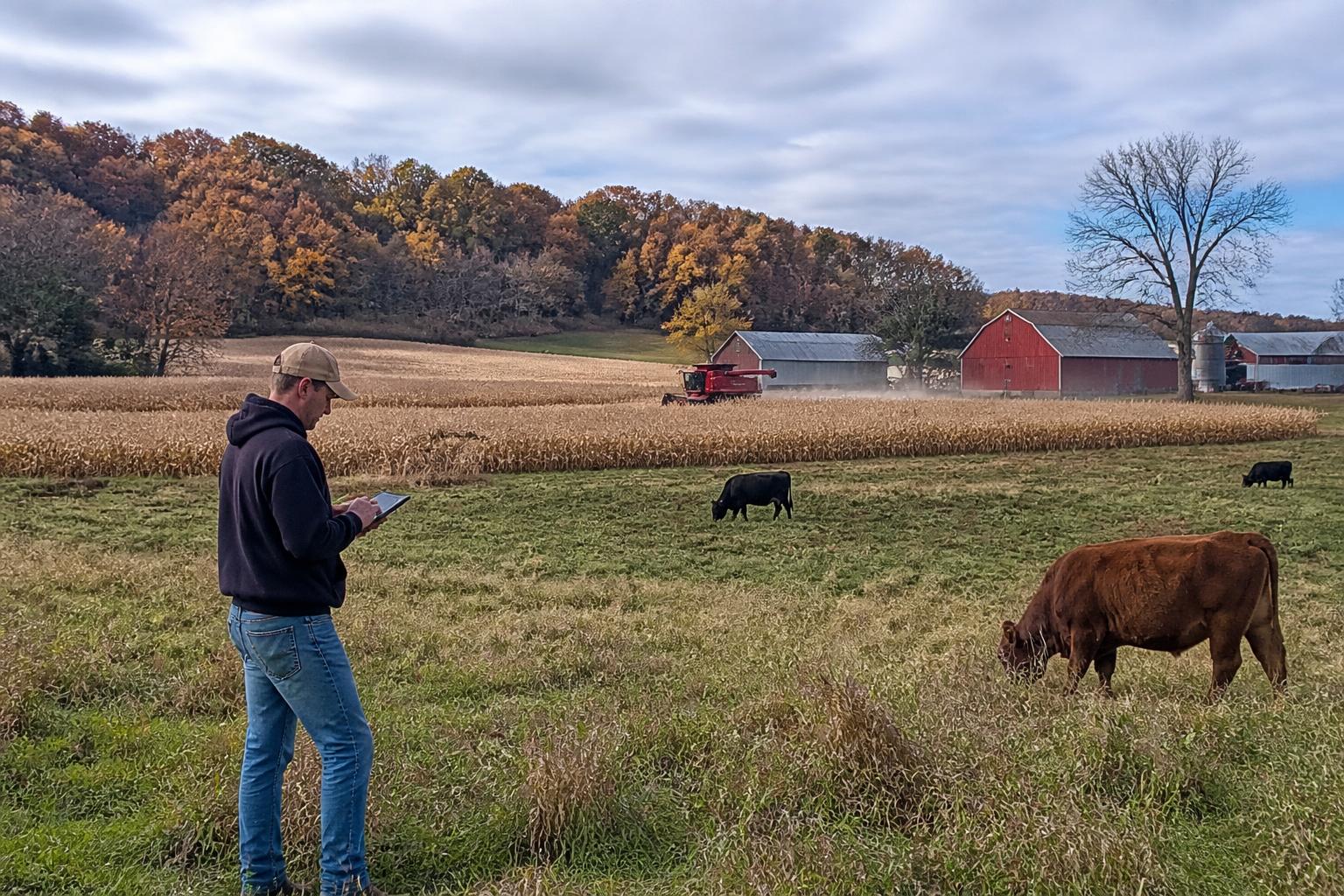
With the fall harvest wrapping up across Iowa, producers are shifting their focus from field operations to long-term risk management and asset protection. Whether assessing infrastructure security or evaluating strategic updates for your operation, maintaining a clear view of external variables is essential for a stable market position as we approach the winter months.
Environmental and Operational Awareness
In certain parts of the state, particularly near sites scheduled for industrial activity or specialized disposal operations, producers are increasingly proactive about monitoring local environmental conditions. Agriculture officials have recently issued guidance to farmers in areas affected by scheduled Army explosive detonations, emphasizing the importance of securing livestock and protecting local forage from potential lead contamination. For those operating in these zones, utilizing independent testing resources can be a vital step in maintaining herd health and mitigating liability risks.
Protecting the Bottom Line
Beyond immediate logistical concerns, the end of the harvest window is an opportune time for Iowa agribusinesses to audit their financial safeguards. As markets fluctuate and the industry continues to evolve from simple bushel-counting toward complex, margin-based protection, staying informed about regional risks is more than a precaution; it is a competitive necessity. Many producers find that refining their approach to insurance and input management during this downtime allows for better planning when spring planting eventually returns.
What it means for the market
Producers should remain vigilant about environmental reporting and maintain clear communication with local authorities regarding land use. As uncertainty remains a persistent factor in the agricultural landscape, from industrial site safety to shifting input demands, prioritizing proactive risk mitigation will better position Iowa farms to navigate the upcoming season with stability and confidence.
Comments
No comments yet - be the first to share your take.