
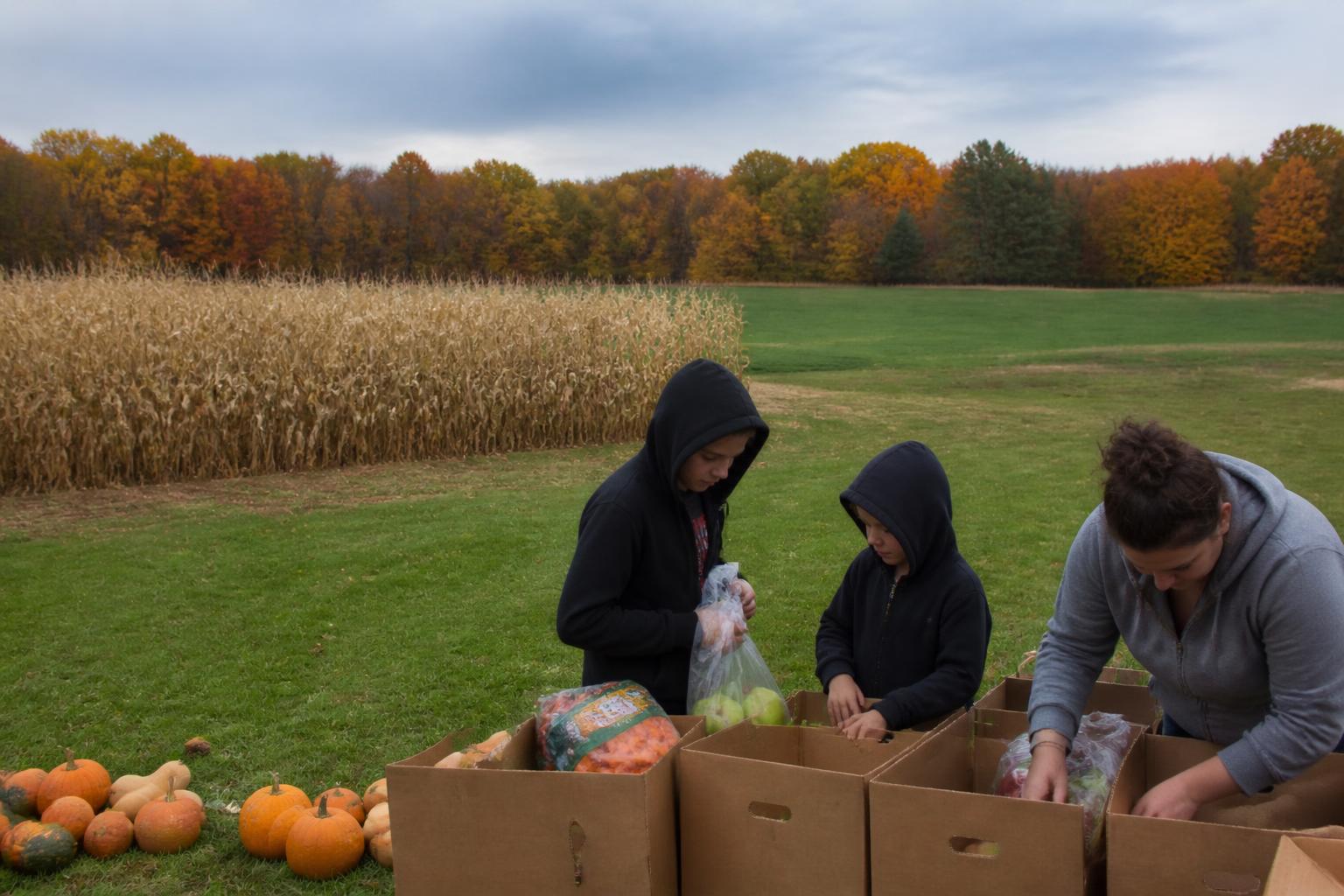
As the final stages of the fall season wrap up across Indiana, producers are shifting their focus from harvest logistics to strategic market management. With reports of potential volatility in grain pricing, growers are closely watching for technical indicators that could signal a 20-cent bounce for corn, offering a small but necessary window for those seeking to maximize returns on this year's yields.
For many, the current market environment demands a precise approach to crop management. Producers are evaluating data from the 2026 season, looking to replicate successful soybean strategies while managing the input costs and policy shifts that continue to shape the Indiana grain market outlook. This period of reflection is critical as the industry prepares for upcoming federal legislative decisions on agricultural spending, which remain a point of interest for operators planning for the next fiscal cycle.
Biosecurity and Operational Realities
The agricultural landscape in Indiana continues to face localized challenges, including the recent detection of Highly Pathogenic Avian Influenza (HPAI) in a commercial turkey facility within Jay County. This development highlights the persistent need for heightened vigilance and strict adherence to biosecurity protocols for poultry producers across the region. Maintaining clean operational standards remains the primary defense against potential disruptions to livestock supply chains.
Diversification in Rural Indiana
Economic adaptability remains a hallmark of the state's agricultural community. Beyond traditional row-crop production, many farm families are exploring non-traditional revenue streams. From the growth of agbioscience startups gaining traction at recent pitch events to the creative repurposing of farm assets for short-term lodging, Indiana producers are actively redefining what a modern farm business can look like. These shifts reflect a broader trend of diversification, helping to buffer against the inherent fluctuations of commodity markets.
What it means for the market
For those involved in the local supply chain, the coming weeks require a dual focus: maintaining rigorous biosecurity measures and keeping a watchful eye on short-term price movements. As producers finalize their year-end strategies, the ability to balance traditional agronomic success with economic flexibility will be the defining factor for navigating the transition into the winter months.
Comments
No comments yet - be the first to share your take.