
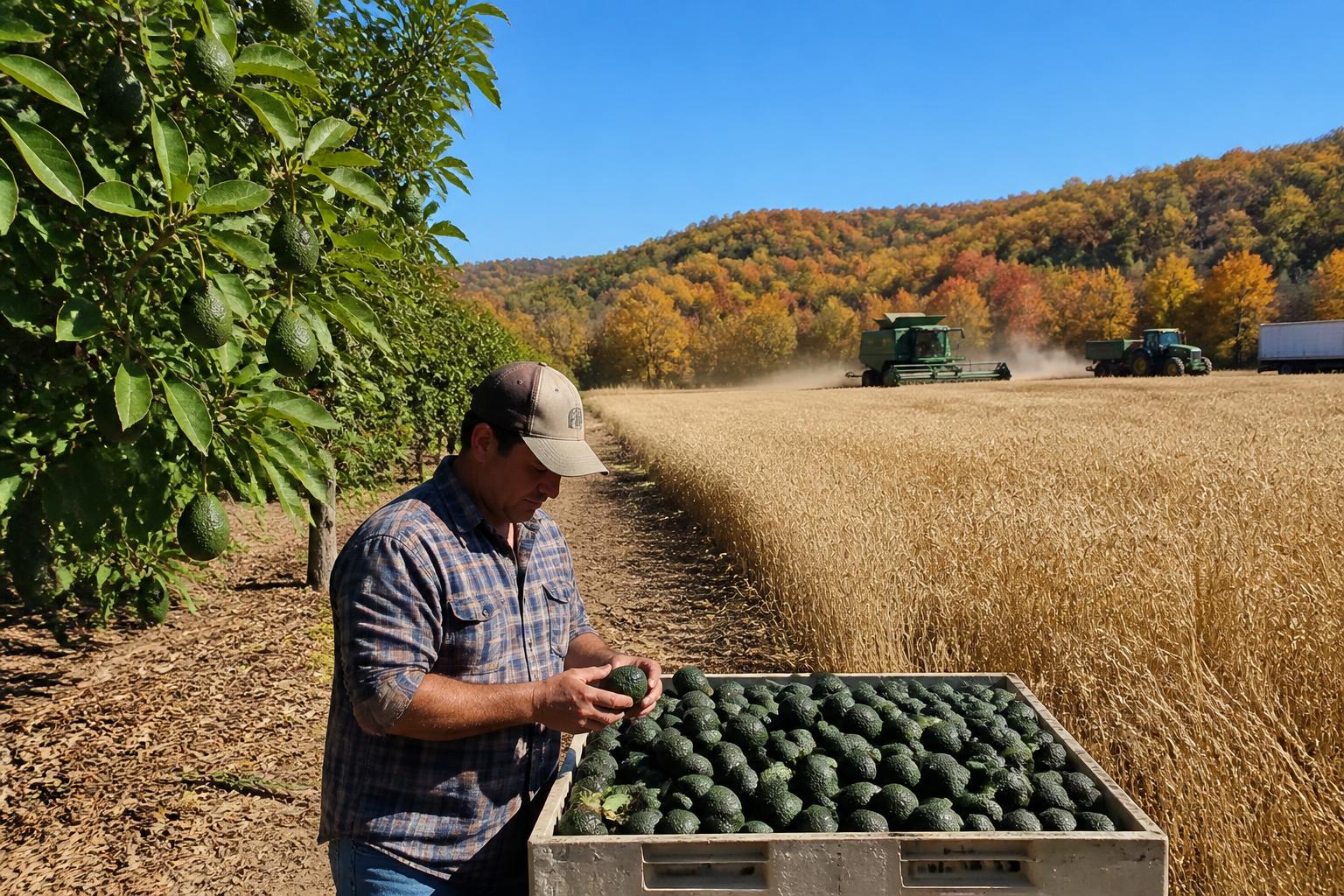
As California producers navigate the final stages of the fall season, the regulatory environment is seeing renewed focus on agricultural compliance. Recent oversight developments, including increased scrutiny of input handling, suggest a tightening of standards for retailers and distributors across the state. For growers and agribusinesses, maintaining strict adherence to safety protocols is more critical than ever to avoid operational interruptions.
Beyond regulatory compliance, the industry continues to explore sustainable resource management. Research into soil health and emission reductions, particularly in orchard management, remains a point of interest for those looking to optimize long-term yields. Practices such as integrating organic amendments and exploring new technical tools for crop protection represent significant shifts in how land is being stewarded across California's diverse growing regions.
Adapting to Compliance Demands
The recent focus on pesticide management standards serves as a reminder for all links in the supply chain to prioritize documentation and safe handling practices. Ensuring that facilities meet state requirements is not merely a legal necessity but an essential component of operational stability during busy logistical periods. Operators should review their inventory management systems, especially as seasonal shifts require adjustments in how chemical inputs are stored and distributed.
Innovations in Orchard and Greenhouse Management
Technological and biological advancements are providing new avenues for efficiency. From the adoption of custom packing agreements that streamline fruit distribution to ongoing trials in greenhouse technology, California agriculture continues to lean into modernization. These efforts often aim to balance productivity with water conservation and environmental stewardship, aligning with broader goals for the state's agricultural resilience. For a deeper look at managing these seasonal pressures, see our recent analysis on navigating late-season production and biological tool adoption.
What it means for the market
For California growers and logistics providers, the combination of stricter regulatory enforcement and an emphasis on sustainable practices points toward a more methodical approach to field and facility management. Market participants should prepare for higher administrative hurdles while continuing to leverage innovation to offset rising operational costs. As the industry looks toward the coming winter, operational agility and regulatory vigilance will remain the primary drivers of success in the California market.
Comments
No comments yet - be the first to share your take.