
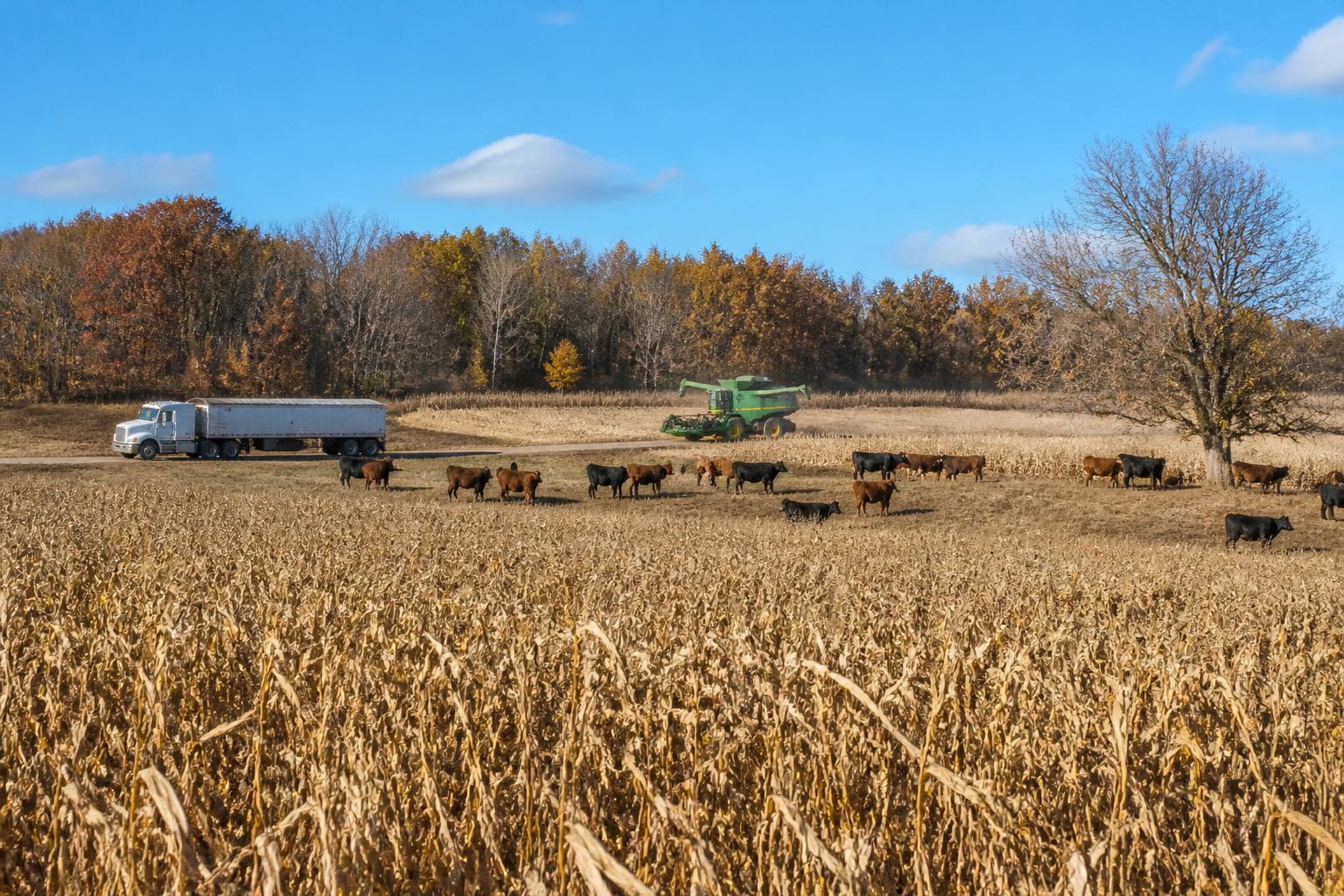
As we move through the final weeks of November, Kansas grain markets are reflecting a complex global environment. While recent indicators show some upward movement for corn and wheat prices, regional cash basis remains mixed across Midwest and Gulf delivery points. For producers in Kansas, this environment requires careful analysis of local storage strategies and potential alternative uses for current grain stocks.
The current market dynamics are creating a unique landscape for the state's agriculture sector. Lower grain prices, while challenging for row-crop operations, may offer cattle producers in regions like the Flint Hills and western Kansas a practical opening to manage feed costs and improve overall herd profitability.
Adapting to Price Volatility
Market observers note that while corn and wheat have seen moderate gains, concerns surrounding international demand continue to weigh on the soybean sector. Kansas handlers and farmers must stay alert to these shifts, as they directly impact basis levels at local elevators. It is often wise to review your current options to sell grain in Kansas to ensure your marketing plan accounts for both regional storage constraints and localized price variations.
Logistics and Storage Considerations
With the harvest season largely wrapping up across the state, logistical efficiency remains paramount. Whether you are moving product toward terminal markets or securing inventory on-farm, managing grain quality and moisture levels remains a critical priority heading into the winter months. Growers may want to evaluate their storage capacity versus the costs of immediate delivery, especially as the market reacts to ongoing updates regarding export demand and domestic supply figures.
What it means for the market
The current volatility serves as a reminder of the importance of cost-of-production management. By monitoring both the grain and livestock sides of the Kansas agricultural economy, producers can better identify when to hold for better basis or when to move inventory to improve operational cash flow. Remaining flexible and informed is the best defense against unpredictable market swings during this transition into the winter season.
Comments
No comments yet - be the first to share your take.