
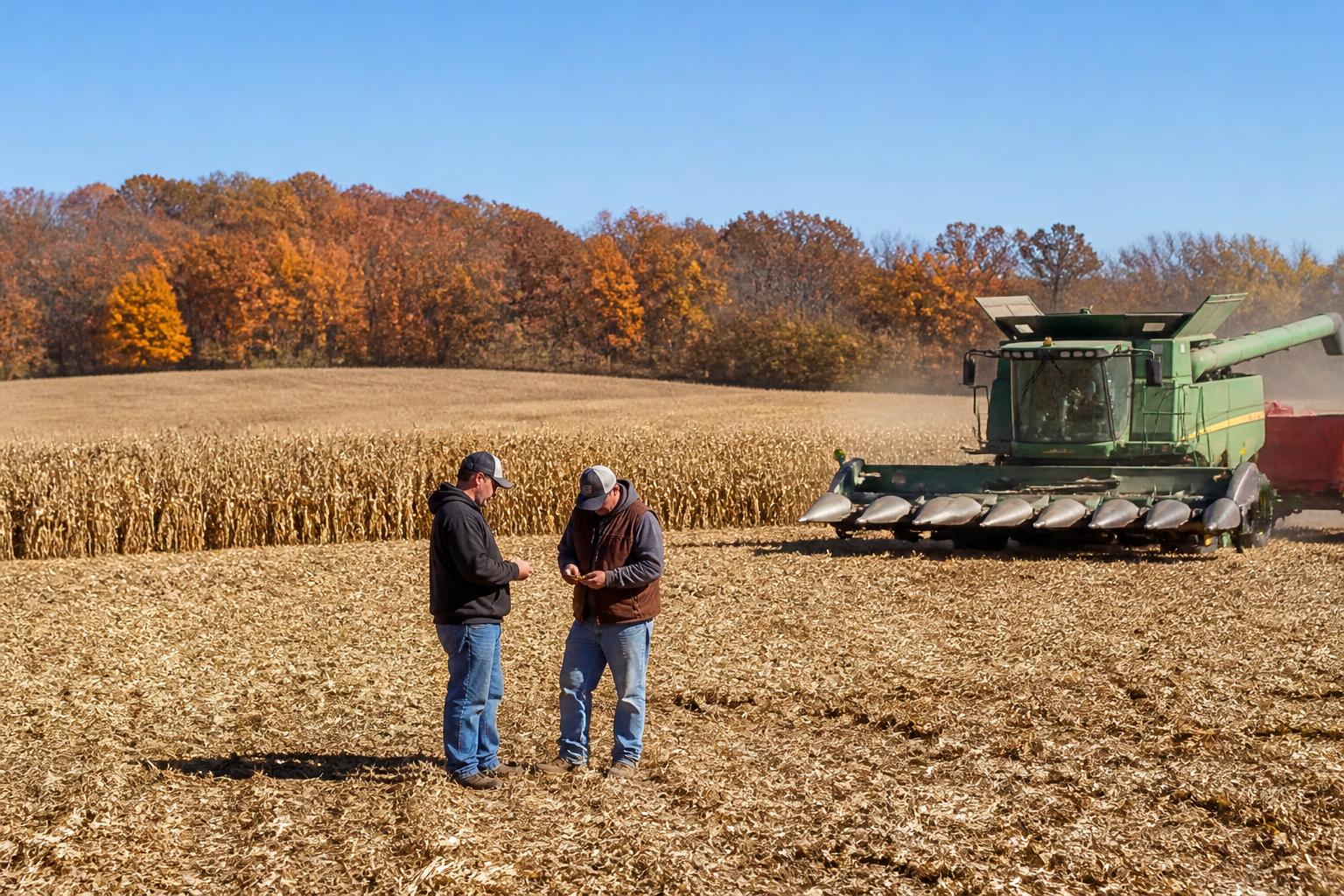
As we move through the tail end of November, California producers and grain handlers are keeping a close watch on national price volatility. Recent market reports indicate that commodity prices have experienced mixed results, with a stronger U.S. dollar continuing to weigh on the export outlook for various grains and oilseeds. For local operations across the Central Valley, these macro-level shifts can complicate seasonal operational planning as elevators and feed mills adjust their procurement strategies to account for tightening margins.
Market Sentiment Amidst Dollar Fluctuations
The recent dip in soybean futures, linked to higher domestic oil inventories and currency pressures, serves as a reminder of the interconnected nature of regional markets. While California remains a unique environment—often defined by specialized crop rotations and diverse water management needs—the pricing for feed-grade grains is never truly decoupled from national trends. Producers are advised to stay flexible with storage, especially as regional facilities manage their intake volume and look toward upcoming winter demand.
Logistics and Storage Considerations
With harvest operations largely winding down in the state, the focus has shifted toward efficient movement and storage. Managing transport costs remains a priority for many agribusinesses as they balance the need for timely delivery against the constraints of peak seasonal demand. In some cases, localized supply chains are exploring new infrastructure enhancements to mitigate the post-harvest losses that often impact storage efficiency. Whether you are looking to secure essential grain supplies or optimize your current storage capacity, assessing the local supply-demand balance is critical this month.
What it means for the market
The current market environment suggests that patience and a focus on cost-efficient logistics will be paramount as we transition into winter. While macro-economic pressures like the stronger dollar remain a constant, local California operators who leverage accurate data and prioritize storage health will be best positioned to weather the current price volatility and capitalize on potential shifts in supply as we head into the new year.
Comments
No comments yet - be the first to share your take.