
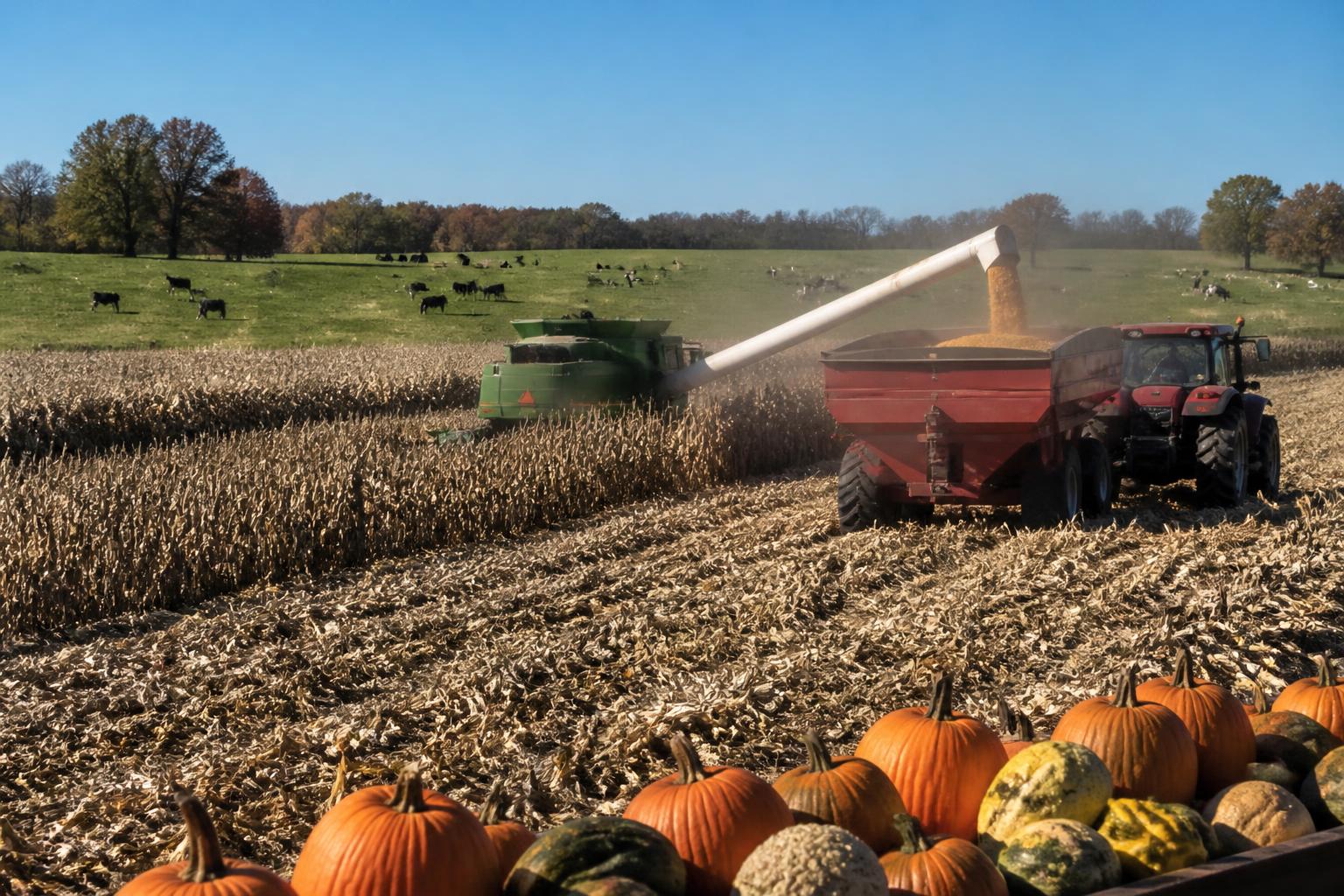
As the late fall season progresses across South Dakota, regional grain handlers and producers are navigating a period of relative market quiet. While activity across the plains typically slows during the lead-up to the holidays, regional elevators and logistics providers remain focused on efficient inventory management. For those looking to sell grain in South Dakota, the current environment emphasizes the importance of tracking local basis levels against broader, often volatile, national trends.
The agricultural landscape in the state is also seeing a heightened focus on long-term sustainability and operational costs. Recent discussions regarding energy infrastructure and utility rates, particularly in parts of western South Dakota, are reminding agribusinesses that managing overhead is just as critical as navigating commodity price fluctuations. This comes as many producers continue to assess their logistics adjustments and storage strategies following the harvest cycle.
Monitoring Regional Agricultural Policy
Statewide, the agricultural sector is keeping a close watch on legislative developments and federal assistance programs that influence rural development. These policy shifts can have cascading effects on everything from input procurement to land management, impacting both family-run farms and larger commercial operations. As we move through November, stakeholders are advised to stay informed about how these updates might influence local economic conditions in the coming year.
Sustainability and Future Outlook
Efforts in regenerative agriculture and emissions reduction continue to gain traction in corporate and independent farming reports alike. These trends, while often long-term in nature, are increasingly relevant for producers looking to align their operations with evolving market expectations. Staying connected with local research and extension services remains a key component for South Dakota farmers looking to maintain competitive yields while optimizing resource use.
What it means for the market
Heading into the end of the year, the market is defined by a wait-and-see approach. Producers should prioritize localized data, such as elevator-specific basis and regional freight availability, to manage their grain positions effectively. By focusing on fundamental logistical efficiency and staying updated on regional policy changes, South Dakota agribusinesses can better position themselves against the uncertainty that often characterizes the winter months.
Comments
No comments yet - be the first to share your take.