
Logistics Relief for Colorado Producers
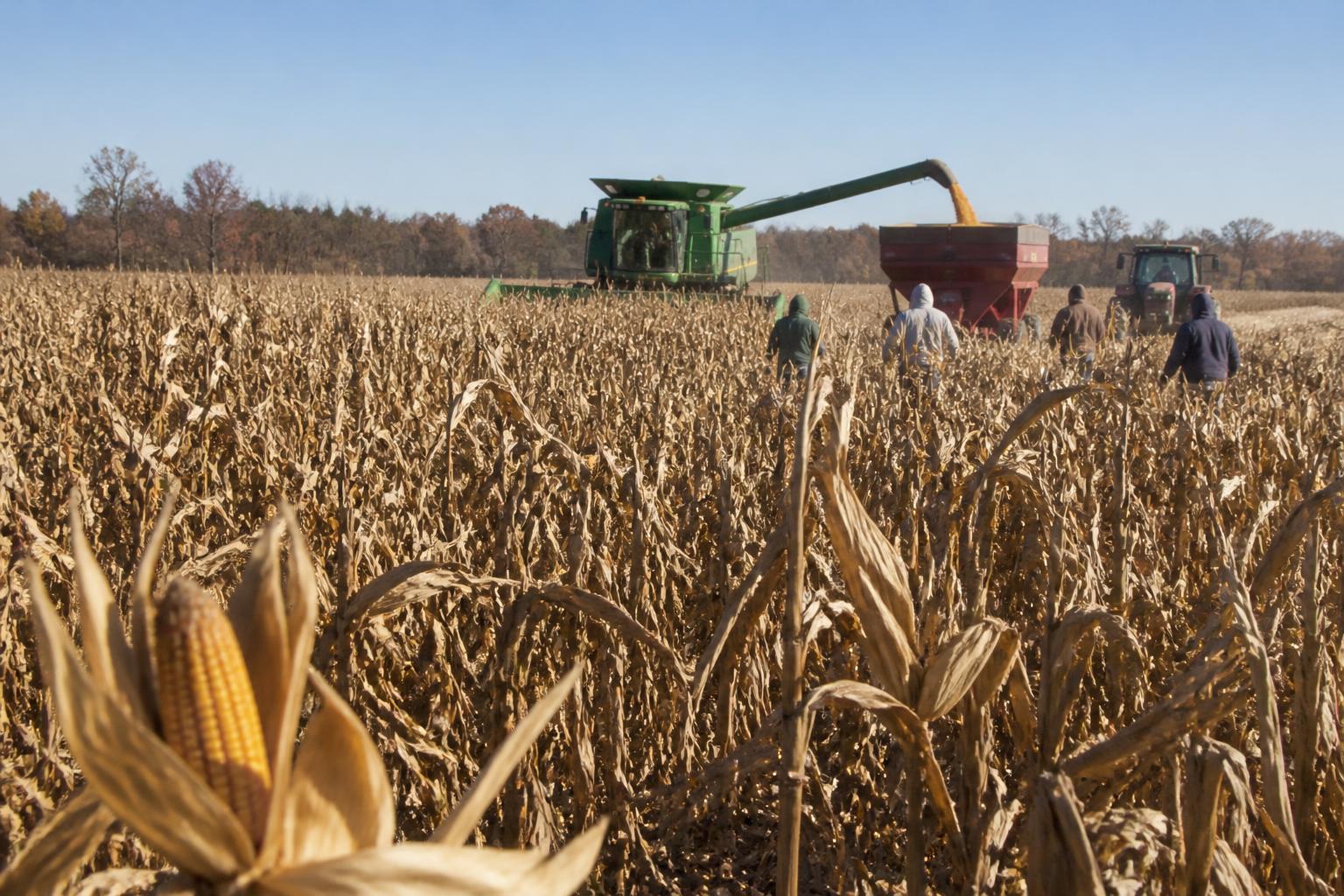
As the fall harvest season winds down, Colorado agribusinesses are seeing a welcome shift in the supply chain. Recent data indicates a decline in grain freight costs leading into the latter half of November. For producers moving crops across the state's expansive transit corridors, this reduction in logistics overhead may provide a tighter margin of relief as grain reaches local elevators and processing facilities.
Maintaining an efficient flow of commodities remains critical as regional handlers balance storage capacities. While transport costs have eased, keeping a close watch on seasonal logistics trends remains a standard practice for managing post-harvest operational budgets.
Cattle Market and Input Dynamics
The Colorado livestock sector continues to track closely with national reporting. Recent figures show activity in the processing beef market, with specific attention directed at lean product pricing. In the broader ranching community, producers are increasingly exploring technology-driven investments, such as virtual fencing, to better manage grazing patterns and enhance soil health. These tools, often supported by available state and federal grant programs, are becoming essential for maintaining resilient operations in the face of ongoing environmental and drought-related challenges.
Health and Productivity
Beyond logistics and market prices, the well-being of the agricultural workforce remains a focal point in the state. New research initiatives are beginning to address the critical intersection of occupational health, heat exposure, and air quality for those working in the fields. As the industry evolves, prioritizing the sustainability of the human element is being viewed as just as vital as long-term soil and water conservation efforts.
What it means for the market
For Colorado farmers and ranchers, the current market climate presents a dual narrative: while logistical costs are showing signs of softening, profitability remains tied to disciplined cost management and the adoption of efficiency-boosting technologies. Producers should leverage available resources to offset infrastructure costs while keeping a cautious eye on regional processing demand as we move deeper into the winter cycle.
Comments
No comments yet - be the first to share your take.