
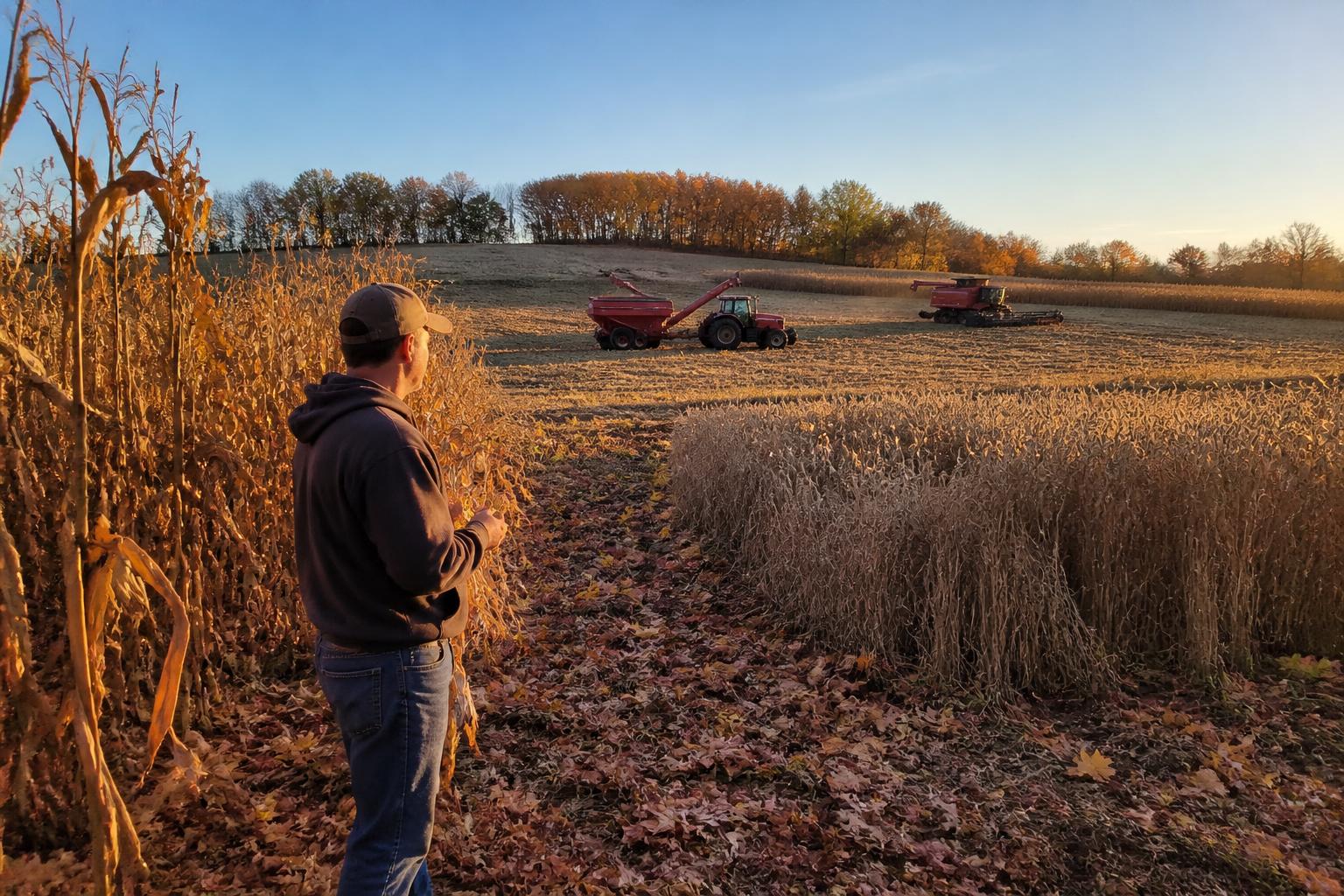
As the fall season transitions into winter across Montana, agricultural producers are moving from harvest completion to evaluating their final yields against a backdrop of broader market volatility. While recent reports indicate price fluctuations in key commodities like wheat and corn, Montana growers are often focused on how these global signals impact local basis levels and long-term storage decisions.
Efficient logistics and transportation continue to play a critical role in how regional grain moves through the supply chain. With winter conditions beginning to set in across the state, the focus for many elevators and operators is shifting toward maintaining consistent flow to regional hubs, ensuring that equipment and storage capacity are prepared for the colder months ahead.
Preparation for the Next Growing Season
Beyond current market fluctuations, the agricultural community is already looking toward upcoming operational requirements. Educational outreach remains a priority for producers, with regional initiatives, such as the upcoming winter pesticide recertification sessions coordinated by local extension services, highlighting the proactive approach Montana farmers take toward upcoming compliance and safety standards. Engaging in these programs can be essential for maintaining necessary certifications for the next production cycle.
Looking Ahead at Infrastructure and Costs
Economic variables, including federal support structures and transportation investments, remain a point of interest for agribusinesses statewide. Understanding the broader economic climate—and how policy shifts may impact everything from input procurement to infrastructure development—is vital for navigating the months leading into the new year. Staying informed on regional developments allows stakeholders to adjust their strategies to better withstand potential supply chain pressures.
What it means for the market
For Montana producers, the combination of cautious market sentiment and seasonal preparation suggests a period of strategic holding. With harvest largely behind us, focusing on risk management, ensuring optimal storage conditions for stored grain, and completing necessary training will position agribusinesses to better navigate the uncertainties typical of the winter market landscape.
Comments
No comments yet - be the first to share your take.