
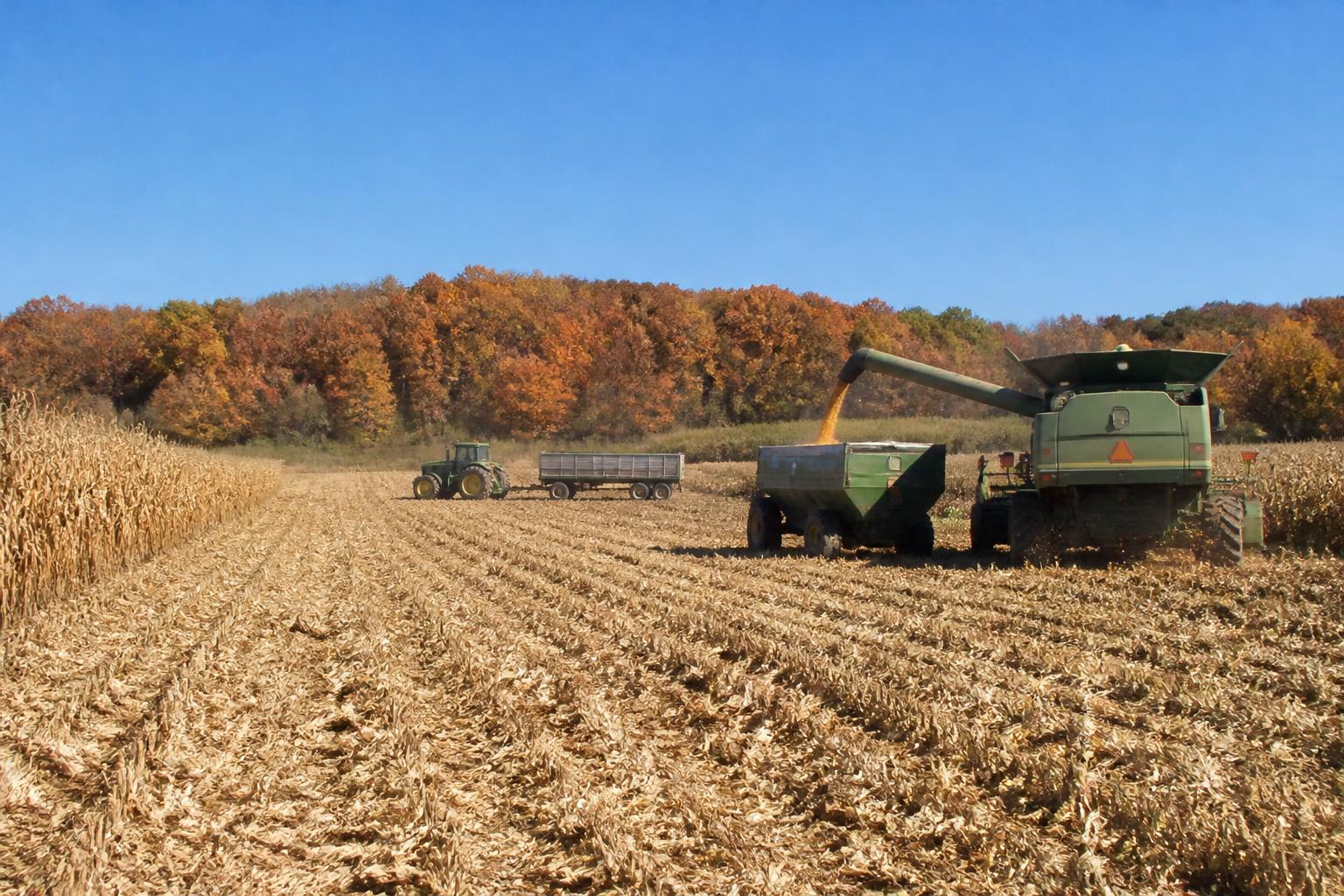
As the late fall season progresses across Illinois, agricultural producers are shifting their focus from harvest logistics to critical end-of-year financial and risk-management decisions. With margins tightening, many operations are prioritizing a deeper analysis of harvest realities and operational costs to optimize their positions for the coming 2027 cycle.
Navigating Policy and Market Headwinds
Market sentiment remains sensitive to developments in federal farm policy. Recent discussions highlight ongoing frustrations regarding the slow progress of E15 fuel initiatives, which remains a focal point for corn producers looking to stabilize demand. Simultaneously, producers are utilizing updated yield data to sharpen their decision-making for ARC and PLC programs. Staying ahead of these deadlines is essential, as managing yield discrepancies and land activity will be a significant determinant for profitability in the next fiscal year.
Environmental and Operational Risks
Beyond traditional market factors, logistics and safety are impacting regional operations. Producers near the Illinois-Iowa border are monitoring reports regarding potential atmospheric hazards, specifically potential lead dust drift stemming from planned military explosive detonations in neighboring Iowa. While the impact remains localized, farms in the path of potential fallout should review safety protocols and document field conditions as a precautionary measure during this final stage of the fall season.
Strategic Planning for 2027
With profit margins reflecting the broader economic pressures currently felt across rural communities, many agribusinesses are looking for ways to mitigate risk through improved data utilization. As evidenced by recent moves in agricultural technology, the industry is accelerating its focus on plant-level intelligence, which may offer a path toward higher efficiency despite fluctuating commodity prices. Maintaining a disciplined approach to input purchasing and tax planning will be paramount as the industry prepares for a challenging winter period.
What it means for the market
The current market environment requires a dual focus on tactical efficiency and policy engagement. With the combined pressure of evolving environmental hazards and the need for precision in government program enrollment, Illinois farmers are encouraged to prioritize risk-management strategies that protect existing capital while positioning the operation to capitalize on any potential 2027 demand shifts.
Comments
No comments yet - be the first to share your take.