
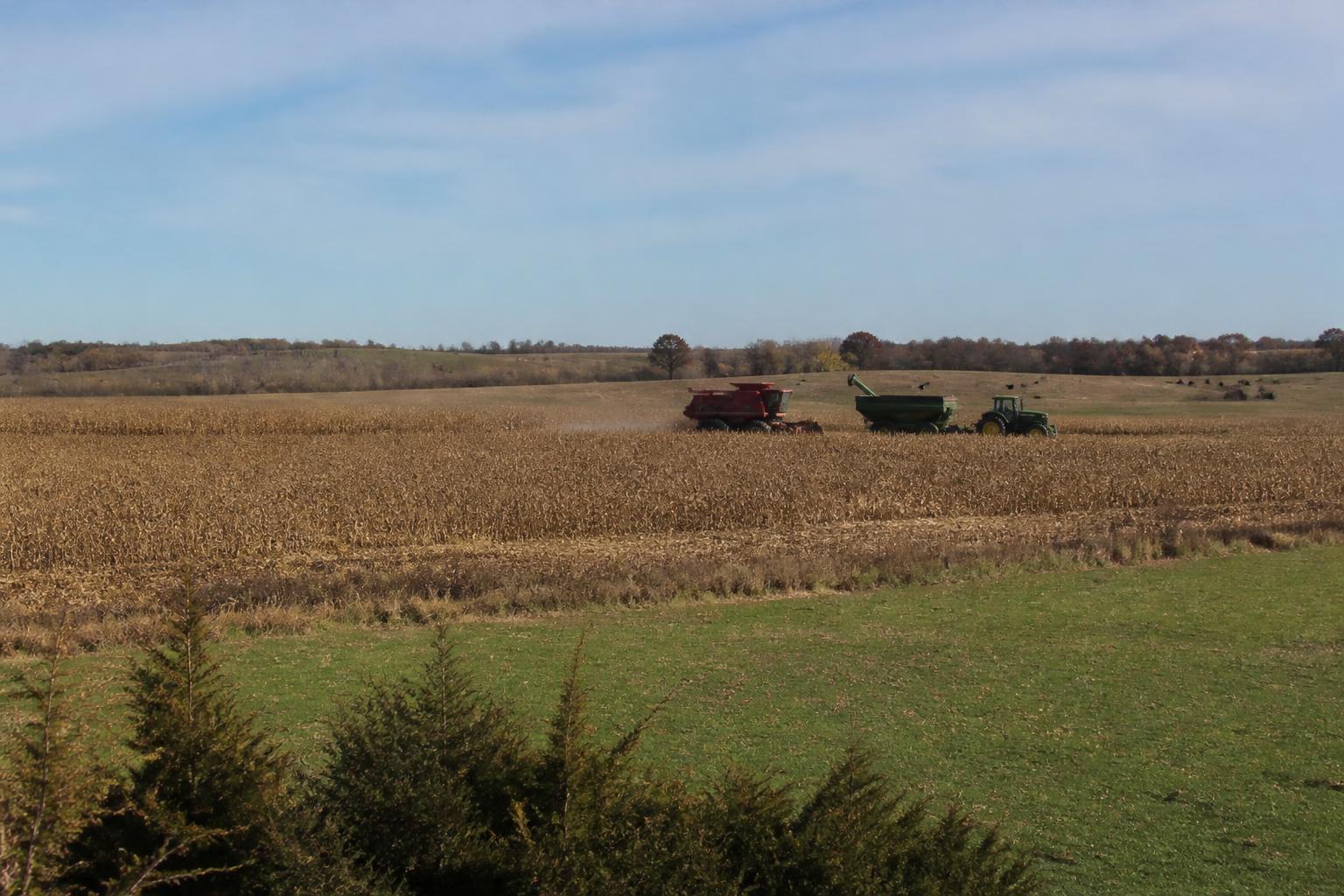
As we navigate the final stretch of the year, agricultural policy remains at the forefront of discussions across the islands. With recent calls to finalize federal agricultural legislation before the calendar turns, Hawaii producers are keeping a close watch on how potential changes in Washington could filter down to local operations. These discussions often focus on resource allocation and the long-term support necessary for maintaining a stable agricultural landscape in our unique environment.
Aligning with Regional Crop Protection Standards
For many local farms, the intersection of federal policy and on-the-ground management is where the most significant challenges arise. As producers look to manage input costs and pest pressures, understanding the latest technological and regulatory shifts reshaping Hawaii crop protection is essential. Compliance remains a critical component of day-to-day operations, ensuring that both local and federal environmental standards are met to safeguard our island ecosystems.
Integrated Management and Market Stability
Beyond legislative updates, the focus on sustainable practices continues to gain momentum. Many growers are refining their integrated pest management strategies in Hawaii to leverage local biodiversity. This approach not only provides a buffer against invasive threats but also aligns with the broader goal of maintaining resilient production systems capable of weathering market fluctuations.
Furthermore, producers operating within the grain and feed sectors continue to monitor how commodity market shifts and compliance in Hawaii agriculture impact their bottom line. With the current focus on federal legislation, the potential for policy-driven cost adjustments makes it even more important for local agribusinesses to maintain transparent and efficient supply chains.
What it means for the market
For Hawaii producers, the current environment emphasizes preparation. While national legislative deadlines may influence long-term budgetary support, immediate success depends on operational agility. Keeping informed on regulatory updates and continuing to invest in sustainable, integrated management practices will be the most effective way to navigate the coming months, regardless of how federal policy ultimately unfolds.
Comments
No comments yet - be the first to share your take.