
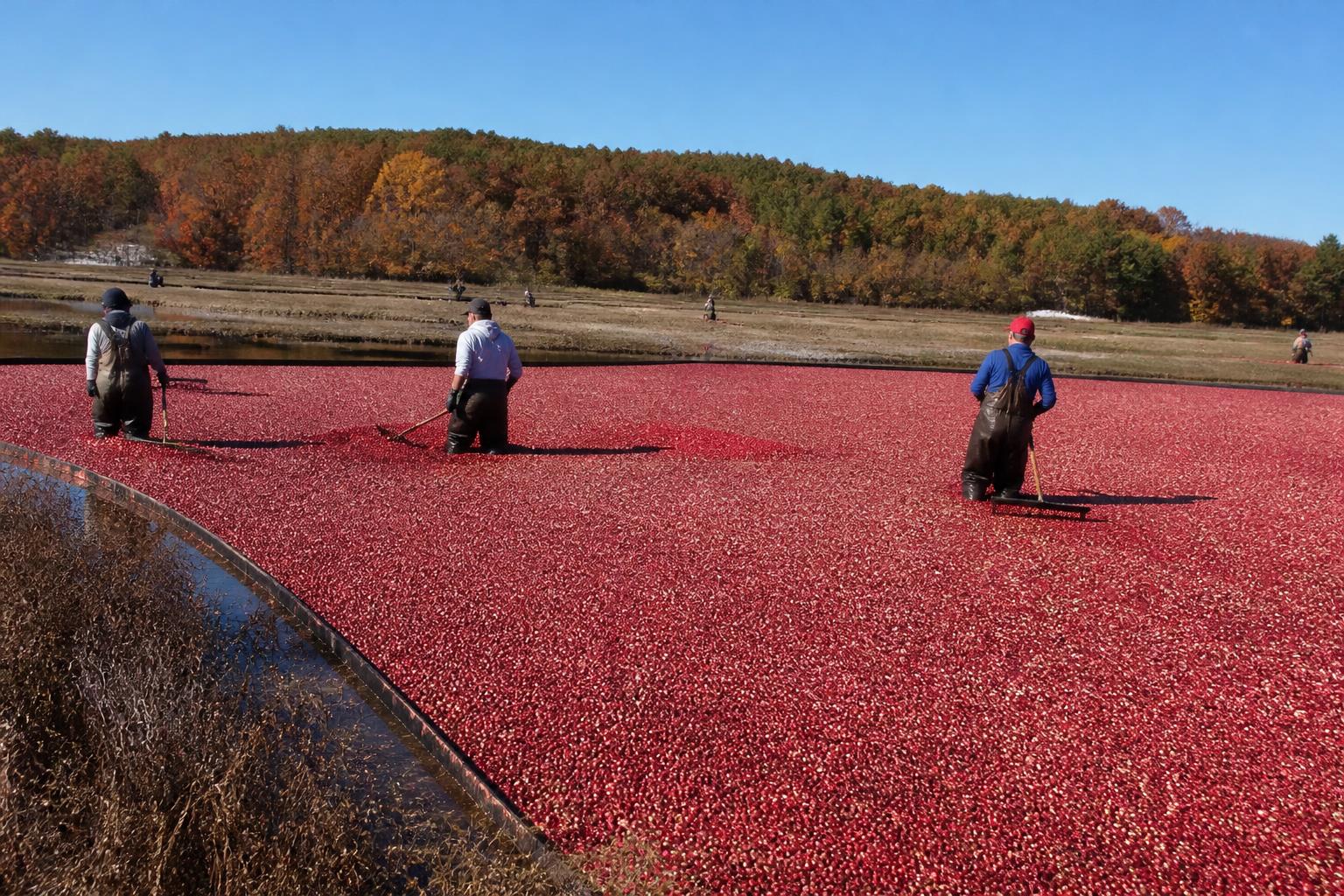
As the fall harvest season winds down in New Jersey, producers across the Garden State are turning their attention toward long-term planning and capital preparation for the 2027 cycle. While recent months have presented challenges regarding crop protection and environmental pressures, the ongoing integration of university-led research is helping farmers in regions like South Jersey refine their approach to emerging agricultural technologies.
For many local operations, this period serves as a critical window to audit financial commitments. With new agribusiness financing strategies now surfacing for the 2027 growing year, producers have an opportunity to secure zero-percent interest programs to manage input costs effectively. Leveraging these financial tools early can provide a buffer against the variable costs of managing persistent agricultural threats, such as recent pressures from blight and other environmental stressors that have impacted yields in various parts of the state.
Aligning Research with Field Operations
Educational initiatives and research centers are playing an increasingly vital role in helping New Jersey growers adapt. Students and researchers are currently exploring advanced farming methodologies at regional research farms, translating complex data into practical applications for commercial growers. This bridge between academic research and on-the-ground management is proving essential for those looking to improve efficiency and crop resilience before the next spring planting window.
Strategies for Operational Stability
As handlers and growers close out their seasonal records, several key priorities should remain at the forefront of operational planning:
- Input Financing: Review current offerings for 2027 to lock in operational capital during the off-season.
- Integrated Pest Management: Utilize data from state research programs to plan for pest pressure cycles that have been observed in local fields throughout the current year.
- Conservation Partnerships: Engage with ongoing federal and state conservation efforts that provide resources for land stewardship and long-term infrastructure improvements.
What it means for the market: The current period of relative stability in late autumn offers a strategic opportunity for New Jersey agribusinesses. By prioritizing financial planning and utilizing regional research resources, producers can better position their operations to navigate the economic uncertainties and environmental variables expected in the upcoming 2027 season.
Comments
No comments yet - be the first to share your take.