
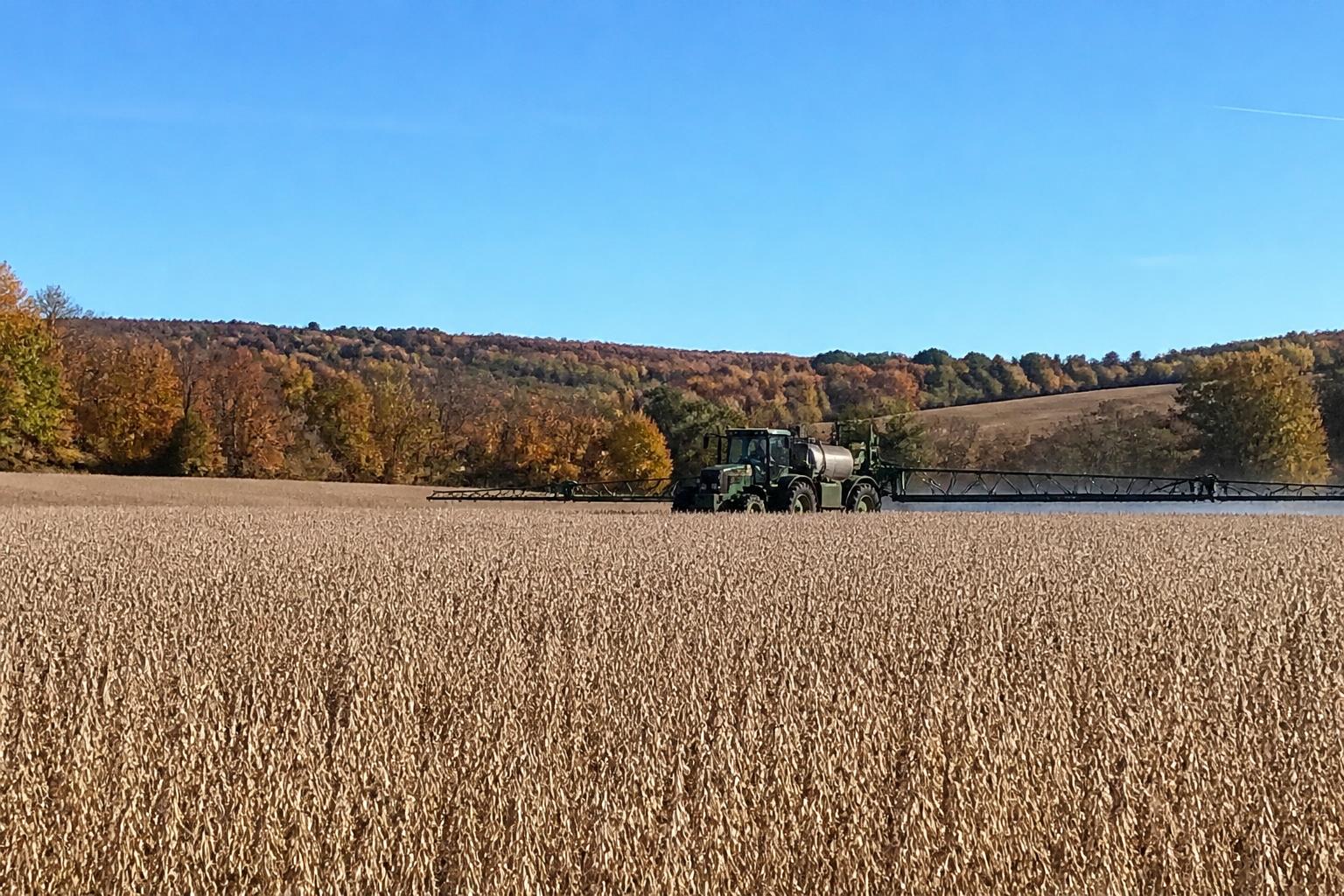
Expanding Options in Weed Control
The landscape of crop protection continues to evolve as manufacturers secure new regulatory approvals. Recently, Nufarm gained EPA registration for a new mountain wheat herbicide, providing producers with an additional tool to manage weed pressure in critical cereal crops. Such developments are essential for maintaining yield potential, especially as growers weigh their input needs during the late fall planning cycle.
Strategic Shifts in Retail and Application
Agribusinesses are increasingly looking at ways to capture more value within the supply chain. In some regions, ag retailers are exploring upstream movement into crop protection manufacturing to differentiate their service offerings. This trend toward vertical integration reflects a broader effort to provide more tailored solutions to farmers navigating an increasingly competitive marketplace. As retailers adjust their business models, farmers may see more specialized product availability and localized technical support.
Maximizing Efficiency with Supplemental Tools
Beyond traditional chemical inputs, researchers are investigating practical ways to reduce pest management costs. Recent studies indicate that the use of kaolin clay can help mitigate both insect damage and heat-related stress in soybean production. By integrating these types of mechanical or physical barriers, growers can potentially stretch their protection budgets while bolstering crop resilience. Producers looking for long-term sustainability often evaluate new tools and climate-conscious strategies to maintain productivity in variable growing environments.
Regulatory Oversight and Reporting
As the industry navigates these innovations, the regulatory environment remains a constant. The Environmental Protection Agency continues its oversight of the sector, including routine updates to reporting requirements for pesticide-producing establishments. These information collection activities ensure that the production and distribution of crop protection products remain transparent and documented, which helps maintain industry standards as we move into the next calendar year.
What it means for the market
For growers and agribusinesses, the combination of new herbicide registrations and alternative pest control research signals a shift toward a more diversified toolkit. While regulatory compliance remains a core aspect of operations, the focus is increasingly on finding cost-effective, high-efficacy methods to protect yield potential. Farmers are encouraged to consult with their local agronomists to determine how these new tools and practices fit into their specific regional agronomic programs for the upcoming season.
Comments
No comments yet - be the first to share your take.