
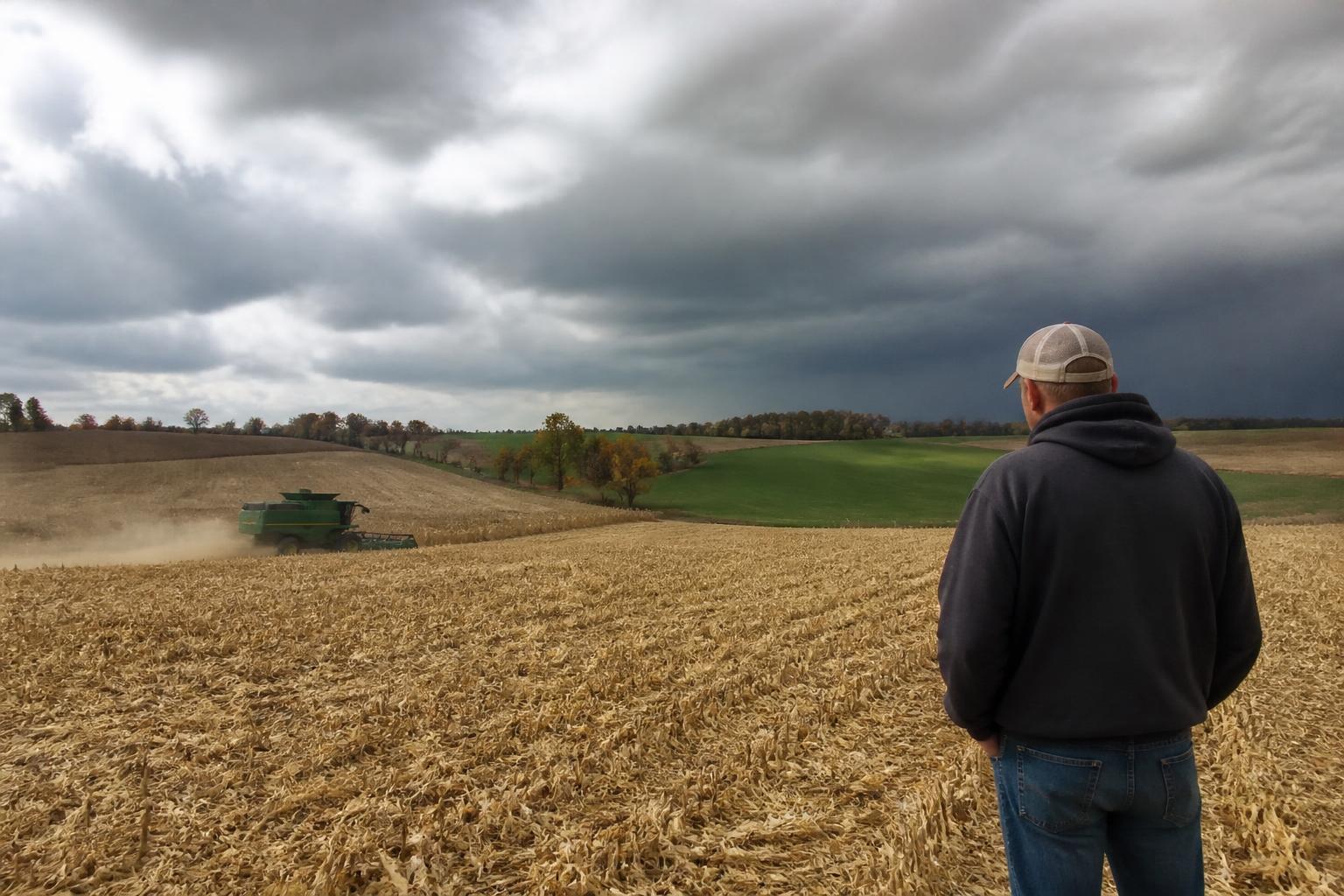
As we move through late November, the Nevada agricultural landscape is shifting its focus toward winter readiness. Producers across the state are bracing for the inevitable onset of winter weather patterns, which often bring rapid drops in temperature and early season storms that can complicate late-harvest operations and winter wheat establishment.
For many ranchers and farmers in Northern and Central Nevada, managing exposure to freezing conditions is a top priority. Maintaining equipment, securing fuel reserves, and ensuring livestock protection before deep-freeze events occur can prevent significant losses. It is a critical time for navigating logistics and supply chains to ensure essential inputs are stocked before mountain passes become difficult to traverse.
Land Stewardship and Long-term Stability
Beyond immediate weather challenges, Nevada growers are looking at the value of long-term land stability. Preserving agricultural acreage remains a cornerstone of regional security, ensuring that productive lands like those found in areas such as Desert Creek Ranch continue to support the industry. Protecting these resources provides a buffer against the unpredictability of both global market shifts and localized climate fluctuations.
The integration of modern agricultural technology is also playing a role in how operations manage their resources during these transitional months. By utilizing predictive modeling, growers can better time their activities to avoid the worst of incoming weather systems, protecting their yields and operational infrastructure.
What it means for the market
For the Nevada ag market, the current climate conditions suggest a tightening of operational flexibility as winter approaches. Producers should prioritize the fortification of storage facilities and verify supply chains early to avoid the premium costs associated with emergency transport during peak winter weather events. Resilience in the coming months will likely depend on a combination of defensive asset management and proactive logistical planning.
Comments
No comments yet - be the first to share your take.