
Leadership Transitions and Policy Oversight
As the state moves through the fall season, the agricultural community in Georgia is paying close attention to administrative developments within the Department of Agriculture. Recent public discourse, including petitions from segments of the farming community, has highlighted the importance of rigorous vetting and oversight for incoming leadership roles. For producers and agribusiness owners across the state, these transitions are viewed as critical touchpoints for future policy direction and regulatory stability.
Global Market Dynamics and Local Impact
International trade remains a significant factor for regional commodity movement. While global headlines note shifts in export volumes and terminal capacity developments in other regions, Georgia producers continue to manage their own logistics and supply chain challenges. The ability to pivot toward reliable export markets remains essential for maintaining margins during this period of price volatility.
Key Takeaways for Producers
- Regulatory Awareness: Monitor upcoming state-level appointments as they may influence local agricultural standards and departmental support.
- Logistics Resilience: Given the current harvest cycle, prioritizing efficient transport and storage management is vital to mitigate potential bottlenecks.
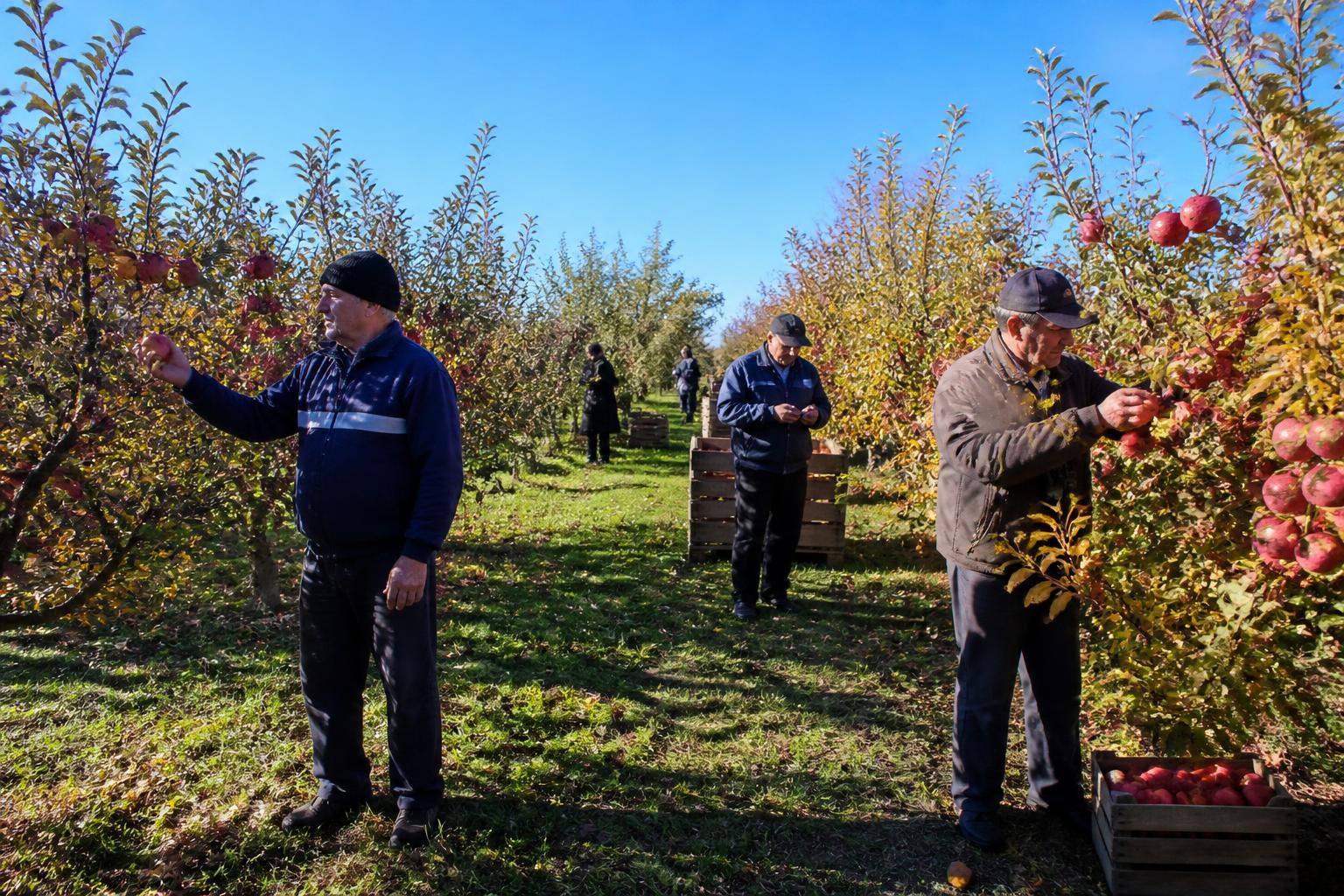
- Trade Monitoring: Keep a close watch on shifting international demand patterns that could impact the valuation of regional crops and juice-grade fruit stocks.
What it means for the market
The current environment requires Georgia agribusinesses to balance internal administrative uncertainty with the practical demands of the fall season. By focusing on efficient infrastructure utilization and staying informed on shifting export requirements, producers can better position themselves against broader market fluctuations. Sustained communication with local grain handlers and industry representatives will be essential as the sector navigates these multifaceted pressures heading into the new year.
Comments
No comments yet - be the first to share your take.