
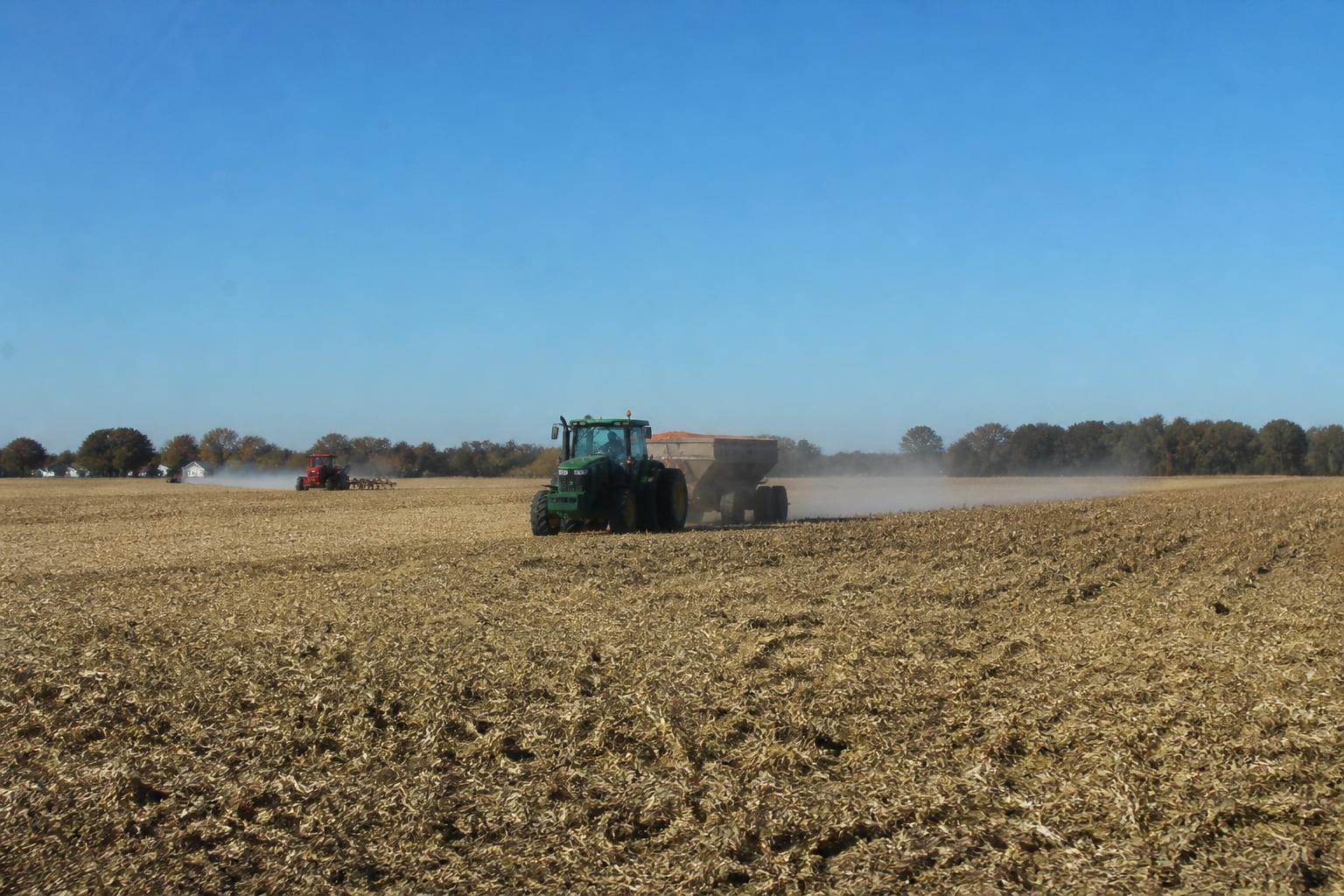
With harvest windows largely closed, the focus across the Midwest has shifted to post-harvest preparation. In regions like Wisconsin, favorable late-fall weather has provided a vital window for fall fertilizer applications and necessary tillage work. These essential nutrient management steps are critical for preparing soil profiles for the upcoming season, yet they occur against a backdrop of persistent financial scrutiny.
For many operations, the primary challenge remains the margin squeeze caused by the cumulative impact of high input expenses. While some growers utilize pre-buying strategies to buffer against volatility, the broader market continues to reflect concerns regarding input affordability. As noted in recent discussions on navigating split fertilizer markets, the ability to manage these costs effectively can be the difference between maintaining operational resilience and needing to adjust production strategies for the coming year.
Managing Field Efficiency in a High-Cost Environment
Efficiency in the field is currently synonymous with financial survival for many producers. When fuel prices and input costs remain elevated, the precision of fall applications becomes increasingly important. Growers are closely monitoring soil conditions and temperature windows to ensure that nutrients applied now offer the best return on investment for the next cycle.
While localized weather has allowed for steady progress in places like Dunn County, the national trend suggests a cautious approach. Farmers are weighing the necessity of full-scale fall application against the risk of nutrient loss and the reality of tight margins. This is leading many to refine their application rates and, in some cases, shift toward more flexible nutrient programs.
The Long-Term Impact on Crop Planning
The cumulative weight of below-average yields in certain areas combined with sustained high input costs is forcing a critical re-evaluation of farm-level budgets. When returns on primary crops do not meet expectations, the capital available for pre-purchasing inputs for the following year is naturally restricted. This dynamic often results in a more deliberate, slower adoption of input purchasing as growers wait for clearer market signals or better price stability.
What it means for the market: The current landscape is defined by cautious optimism balanced against fiscal pragmatism. Expect regional demand for fertilizers to remain highly sensitive to price fluctuations throughout the remainder of the fall season. As logistics and field work wrap up, the focus will transition to assessing global supply chain stability and its eventual influence on domestic fertilizer availability ahead of the spring planting push.
Comments
No comments yet - be the first to share your take.