
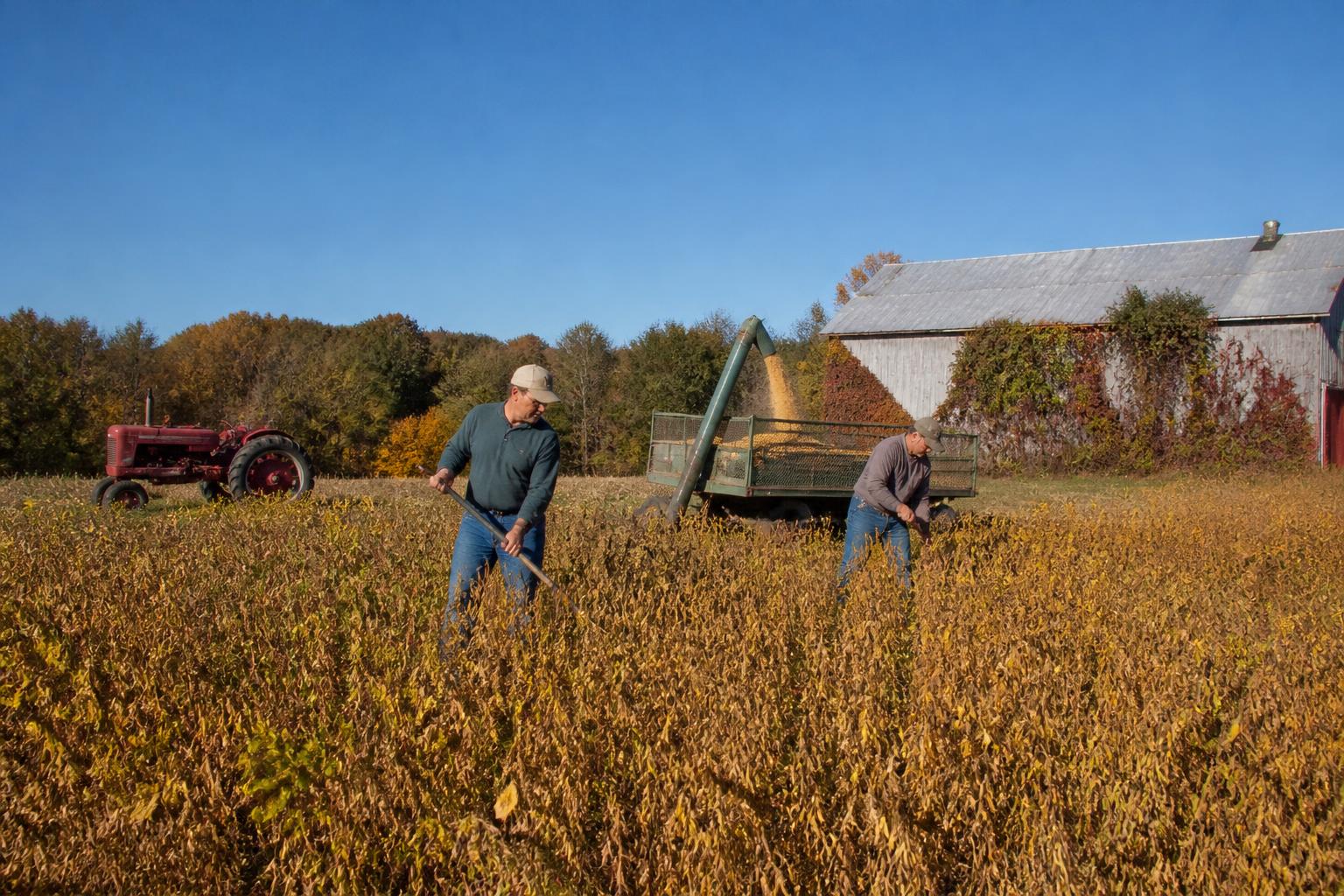
As the fall season reaches its final weeks in Delaware, producers across the state are assessing their market positions against a backdrop of shifting national indicators. While global grain futures continue to demonstrate volatility, local operations are focusing on logistics and the essential data management required to navigate the current pricing environment. Understanding how these broader trends influence regional outcomes remains a priority for growers throughout the Mid-Atlantic.
Navigating Market Volatility
Recent shifts in soybean and grain futures have created a complex landscape for Delaware elevators and producers. As documented in our recent analysis of Delaware grain markets and the fall logistics outlook, staying informed on price swings is critical for managing inventory during the tail end of the harvest. Market participants are also keeping a close eye on equipment and input sector trends, which often signal broader shifts in farm-level expenditure and operational capacity.
For those looking to refine their strategy, evaluating the intersection of yield data and financial efficiency is more important than ever. Delaware producers navigating rising costs and environmental oversight this fall are increasingly turning to digital tools and integrated data platforms to track performance. These technologies are becoming vital for connecting on-farm production metrics directly to biofuel grower programs and other modern market incentives.
Operational Readiness
Logistics remain the heartbeat of Delaware agriculture, particularly as transport needs evolve through late November. From the corridors serving New Castle County to the logistics chains spanning southern grain elevators, reliability is key. As discussed in our overview of how Delaware grain markets face downward pressure amid broader U.S. price declines, efficiency in movement can mitigate some of the challenges posed by national commodity price dips.
What it means for the market
The current market environment suggests that efficiency and data-backed decision-making are the primary levers for Delaware agribusinesses. With ongoing developments in digital farm management and a steady demand for regional commodities like poultry-related grain products, producers who prioritize technical precision and logistical foresight are better positioned to weather the fluctuations seen in national futures markets. Monitoring these indicators closely will be essential as the industry shifts into the winter planning phase.
Comments
No comments yet - be the first to share your take.