
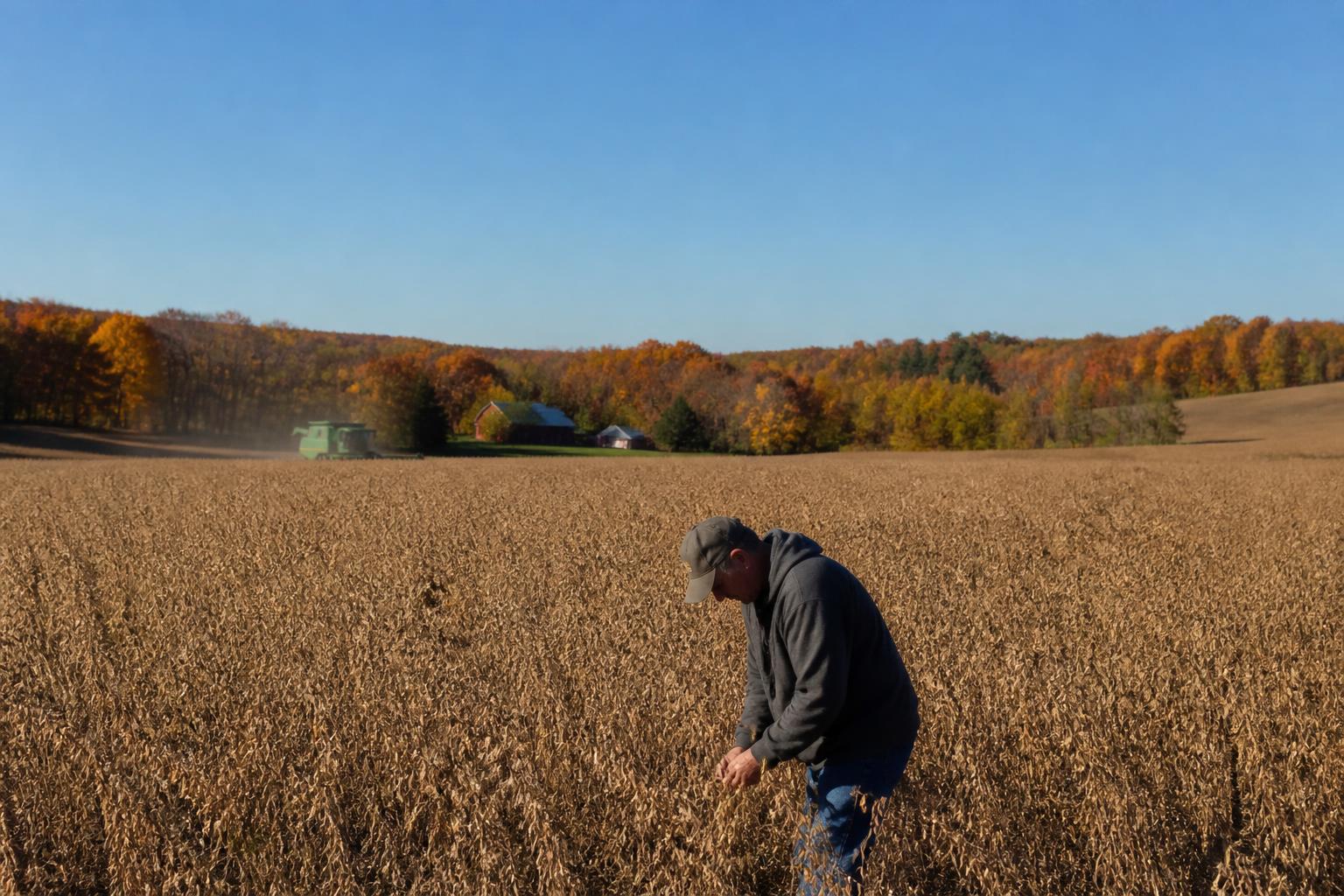
As Delaware’s agricultural sector moves through the final stages of the fall season, producers and grain handlers are navigating a landscape shaped by shifting international supply dynamics and broader U.S. market trends. While global grain prices have shown signs of movement, local elevators are managing the typical seasonal transition, focusing on inventory management and preparing for the winter logistics cycle.
For those managing grain storage or planning their next cycle, understanding how regional supply aligns with national benchmarks is essential. As discussed in our recent analysis of downward pricing pressure in Delaware, the interplay between localized demand and broad U.S. declines continues to influence how local operations approach their marketing strategies. Staying informed on these trends can help producers avoid common pitfalls during volatile market conditions.
Managing On-Farm Logistics and Seasonal Constraints
The fall and early winter periods often require Delaware farmers to balance harvest completion with necessary equipment maintenance. With logistical routes seeing increased traffic, it is a critical time to remain vigilant regarding transport, especially as regional agricultural stakeholders coordinate on nutrient management and long-term supply logistics. Ensuring that storage facilities are prepared for the winter months can mitigate potential bottlenecks that often arise when seasonal labor and transport availability shift.
Producers are also mindful of the broader economic environment. As many look toward future planning, there is a recurring focus on operational resilience. Whether adjusting to new yield protection strategies or reassessing input requirements, the ability to pivot in response to changing market signals is what often separates resilient operations from those more vulnerable to price fluctuations.
What it means for the market
For Delaware agribusinesses, the current environment suggests a cautious approach to the close of the year. While national headlines regarding trade talks and export competition continue to dominate the narrative, local focus should remain on efficient storage management and regional logistical readiness. By keeping a close watch on both local market activity and broader national shifts, Delaware producers can better position themselves to navigate the challenges that often emerge as the winter season takes hold.
Comments
No comments yet - be the first to share your take.