
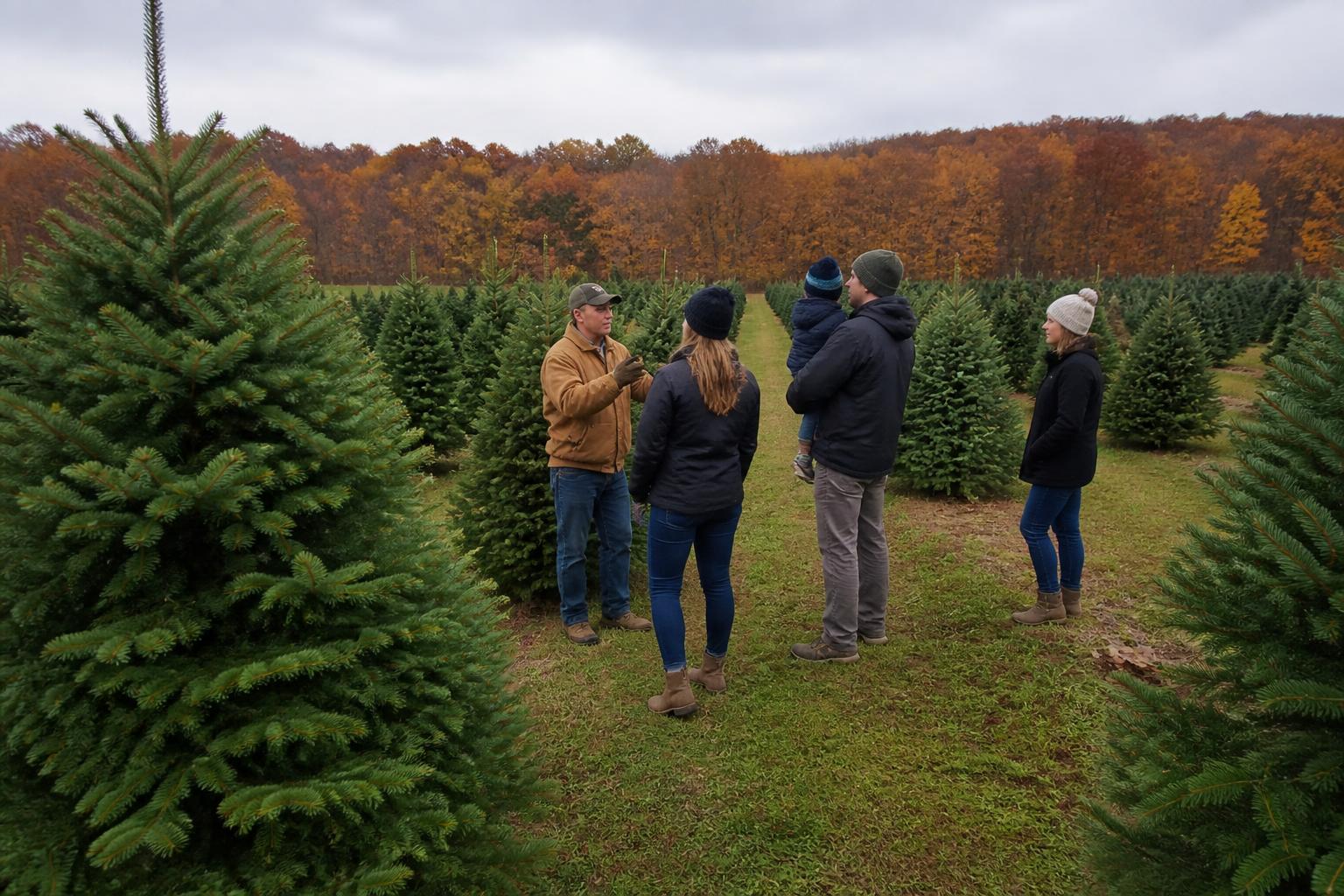
As the Massachusetts agricultural community observes the transition into the late-fall season, growers are balancing the immediate demands of post-harvest management with long-term input strategies. With hundreds of operations dedicated to specialty crops and tree farming across the Commonwealth, the emphasis on soil health and precision application continues to sharpen. Effective nutrient management remains a priority for producers looking to optimize yields while navigating broader market pressures.
For those managing diverse operations, current regulatory shifts and the growing focus on fertilizer quality in Massachusetts highlight the need for consistent, high-standard input procurement. Precision farming tools, including advanced granule applicators, are increasingly becoming a standard to ensure resources are utilized efficiently, helping to protect local water and soil integrity as highlighted by regional environmental initiatives.
Managing Supply Chain Pressures
Agribusinesses across the state are remaining vigilant regarding supply chain gaps, which can cause volatility in both input availability and local food pricing. While global fertilizer markets often see shifts due to international subsidies or production changes, Massachusetts farmers are encouraged to maintain close relationships with local distributors to mitigate potential inventory bottlenecks. Understanding these global supply trends is essential for anticipating how upstream changes may eventually impact local operations as the 2027 season approaches.
Seasonal Logistics and Preparation
With "Green Friday" events underscoring the vital role of the state's thousands of acres of tree farms, the logistical focus is shifting toward year-end reconciliation and field preparation. Managing equipment maintenance and securing inputs early can help avoid the mid-season logistical hurdles often seen in the spring. For those also dealing with broader commodities, staying informed on national yield adjustments provides a broader context for how local market dynamics are influenced by wider economic conditions.
What it means for the market
The current agricultural climate in Massachusetts suggests that producers who prioritize precision technology and early-season input planning will be better positioned to manage ongoing market uncertainties. By focusing on soil stewardship and efficient nutrient management now, growers can protect their long-term margins and ensure operational stability heading into the next calendar year.
Comments
No comments yet - be the first to share your take.