
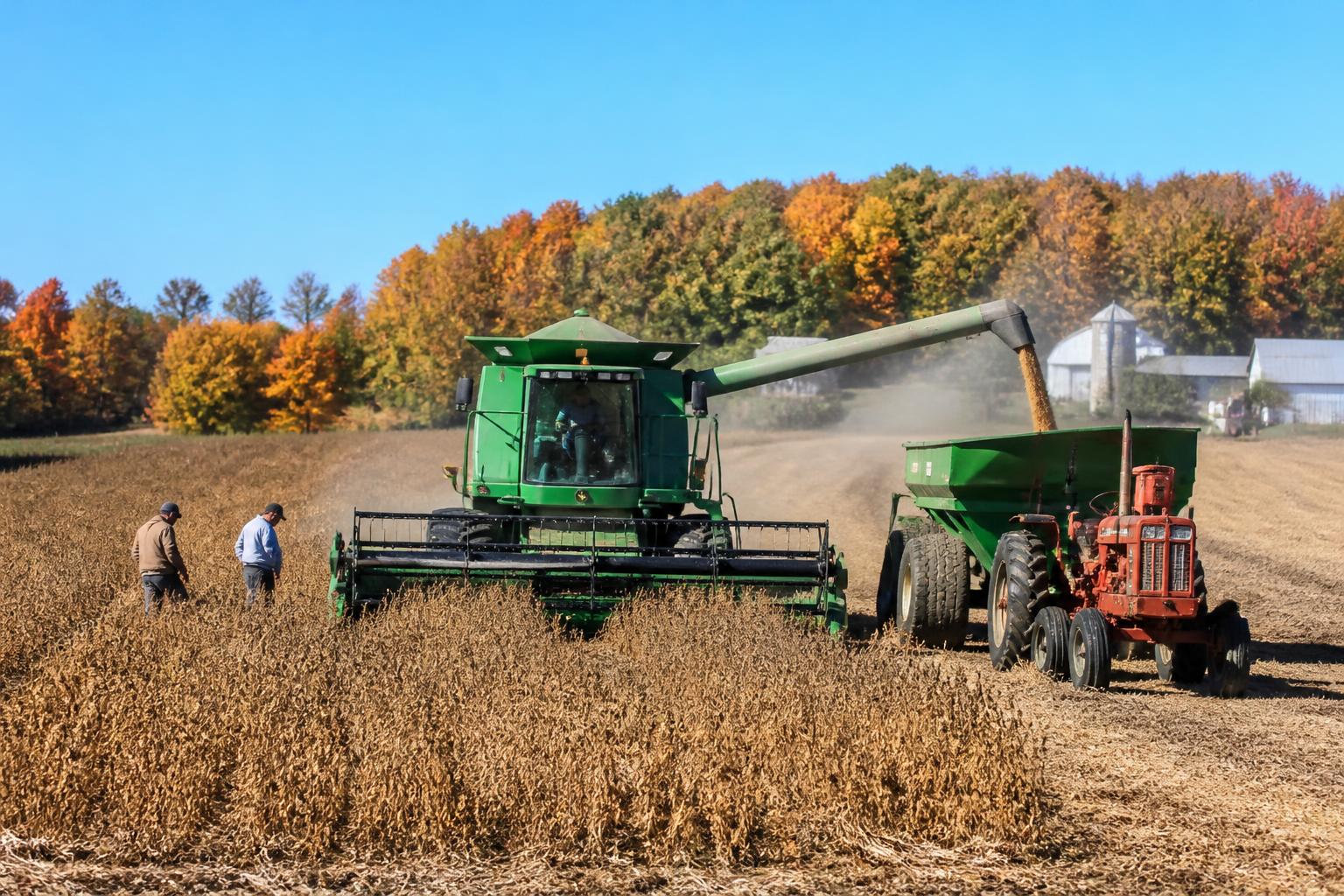
As Indiana farmers finish the final stages of the fall season, the focus is shifting from the field to essential documentation and long-term planning. While equipment cleaning and storage preparation are top of mind, it is also a vital period for ensuring that all crop acreage reporting is finalized to maintain compliance with federal programs.
For many across the state, these administrative tasks are as critical as the harvest itself. Proactive management of these requirements helps ensure that producers remain eligible for essential government support and safety net programs. For those who may have missed initial sessions, resources are available to help navigate updates regarding operational efficiency and moisture management strategies that defined this year's production cycle.
Aligning with Global Market Trends
The broader agricultural landscape remains influenced by the ongoing global demand for oilseeds. Indiana, with its robust transportation network linking production to both domestic processing facilities and export-oriented ports, continues to be a central player in these movements. Market participants are increasingly monitoring how shifting tillage practices and the adoption of new technology—such as specialized drones for precision applications—are influencing long-term yield consistency and input management.
Resource Allocation and Community Support
Beyond the farm gate, the relationship between local production and regional food security continues to evolve. Recent state-level funding initiatives have highlighted the importance of robust local supply chains, with significant allocations recently directed toward organizations like Food Finders to bolster food aid across the region. This underscores the vital link between the health of Indiana’s agricultural output and the stability of local communities, a connection often emphasized by agribusiness leaders as they assess year-end community impact.
What it means for the market
The current market environment encourages a dual approach: maintaining strict compliance with reporting deadlines while positioning operations for the upcoming cycle. By prioritizing accurate data submission and keeping a close watch on regional logistical trends, Indiana producers can better navigate the fluctuations in supply chain demand. Success in the coming months will likely depend on the ability to translate lessons learned from this year’s field conditions into refined strategies for resource management and market engagement.
Comments
No comments yet - be the first to share your take.