
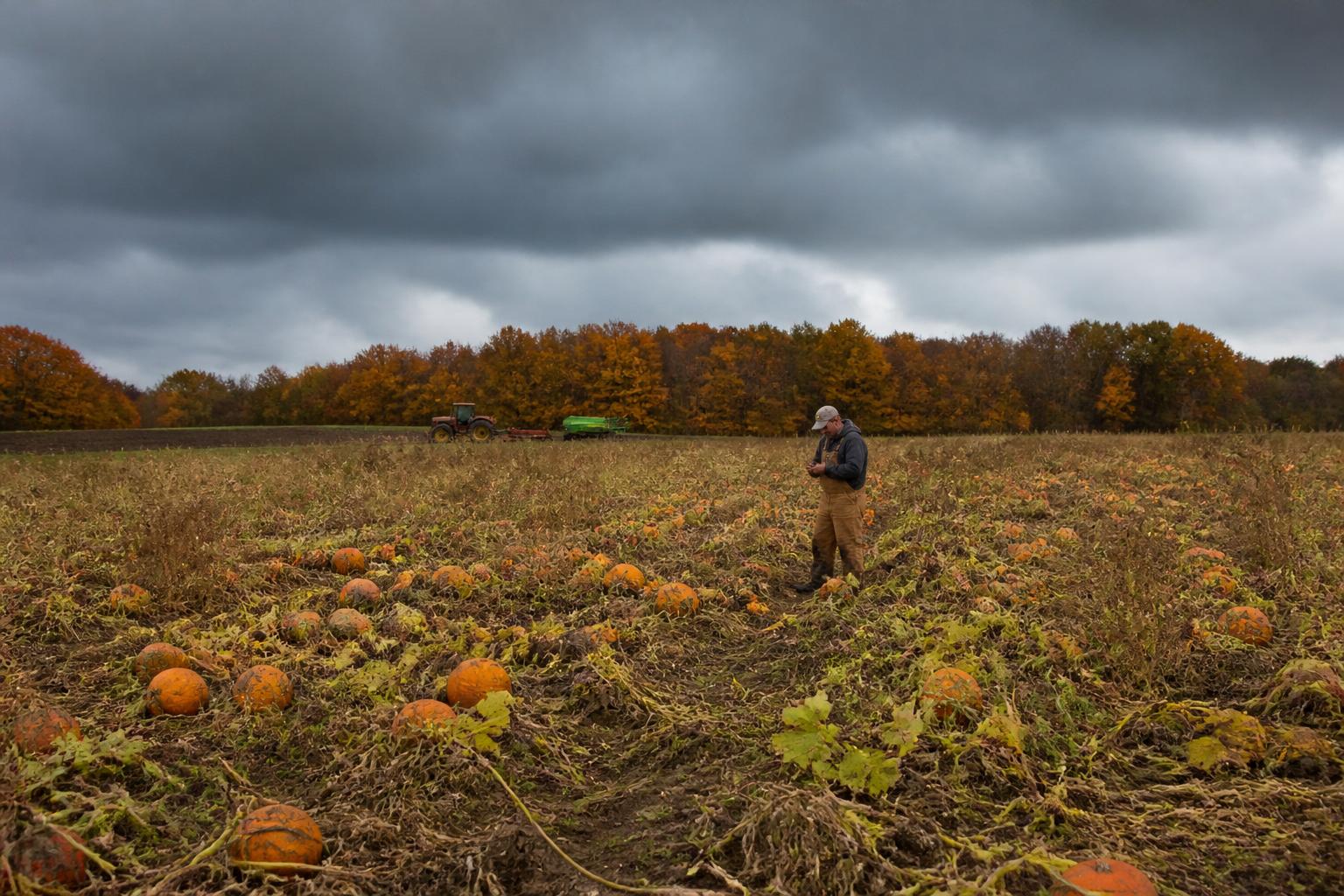
As Indiana producers navigate the final stages of the fall season, many are contending with the dual challenges of heavy precipitation and rising diesel expenses. These factors have complicated field logistics, often delaying equipment movement and requiring careful management of drying and transport operations. For those working across the state's diverse geography, from the rolling terrain of the southern counties to the expansive flatlands of the north, these operational hurdles have become a defining theme of this year's harvest.
Operational Hurdles in a Wet Fall
Excessive rainfall remains a primary concern for growers aiming to wrap up late-season tasks. The moisture has not only necessitated extra focus on grain quality but also impacted the ability to move heavy machinery across saturated soil safely. When field conditions remain unpredictable, many farmers adjust their logistical planning to minimize compaction and maximize efficiency. High diesel prices continue to pinch margins, prompting many in the agricultural supply chain to optimize their transport routes and fuel consumption wherever possible.
Innovation Amidst Challenges
Despite the difficult operating environment, the Indiana agricultural sector continues to foster significant technological growth. Recent initiatives, such as the Velocity competition, highlight a push toward localized innovation that could eventually offer producers better tools for managing seasonal variability. Whether through new data-driven management or specialized equipment, these advancements signal a long-term commitment to improving profitability, even when faced with tight budget constraints and volatile input markets.
What it means for the market
For grain handlers and local agribusinesses, the combination of late-harvest logistics and tight cost control suggests a period of measured activity. While individual producers prioritize protecting the quality of remaining crops and managing energy-related expenses, the broader industry is looking toward off-season planning and future efficiency gains. Market participants should remain attentive to how these localized logistical pressures influence short-term movement and local supply dynamics as the season transitions into winter.
Comments
No comments yet - be the first to share your take.