
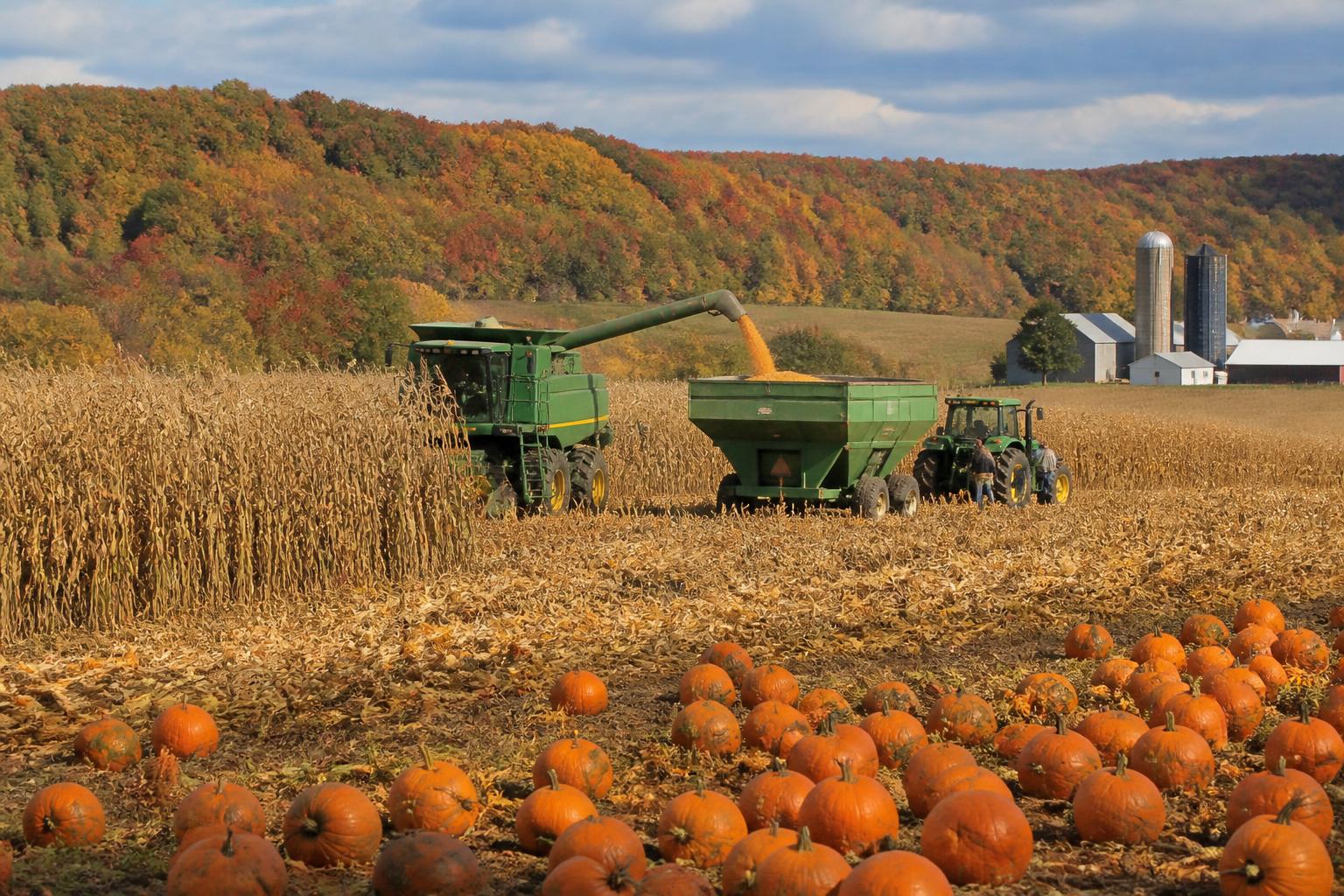
As Pennsylvania producers move through the final stages of the fall season, the agricultural landscape remains defined by significant pressure on operational logistics. The availability of a reliable workforce continues to be a central concern for many regional operations, particularly following reports of enforcement actions that have impacted farm labor stability across the state. These human capital hurdles, when combined with seasonal market volatility, are forcing agribusinesses to re-evaluate their reliance on traditional labor models.
Operational costs and compliance requirements are also shifting the planning horizon for the coming year. For instance, recent legislative discussions surrounding the use of certain chemicals in crop protection are creating a complex regulatory environment for input buyers. Staying ahead of these changes is essential for maintaining efficient input procurement and managing labor budgets as winter approaches.
Managing Input and Regulatory Shifts
The conversation around agricultural inputs in Pennsylvania is increasingly focused on long-term sustainability and compliance. Farmers and elevator operators are currently navigating a landscape where legislative priorities could soon restrict specific pesticide applications. This uncertainty complicates pre-buying strategies and inventory management for the upcoming planting season. Growers are encouraged to review their current input stocks and maintain open lines of communication with local chemical suppliers to mitigate potential supply chain disruptions.
Strategic Planning for the Winter Transition
With the harvest season largely concluding, the focus shifts toward maintenance and administrative oversight. The intersection of labor volatility and rising input costs requires a disciplined approach to cash flow management. Many agricultural enterprises are now prioritizing internal efficiencies to buffer against broader market pressures. As farms transition into the quieter winter months, this period offers an opportunity to audit logistical workflows and secure contracts that protect against future price fluctuations.
What it means for the market
For Pennsylvania agribusinesses, the current environment demands agility. The combination of labor disruptions and emerging regulatory scrutiny means that operational resilience is no longer just a goal but a necessity. Producers should leverage this off-season window to solidify relationships with service providers, optimize storage solutions, and prepare for a regulatory landscape that may see increased oversight in the near future.
Comments
No comments yet - be the first to share your take.