
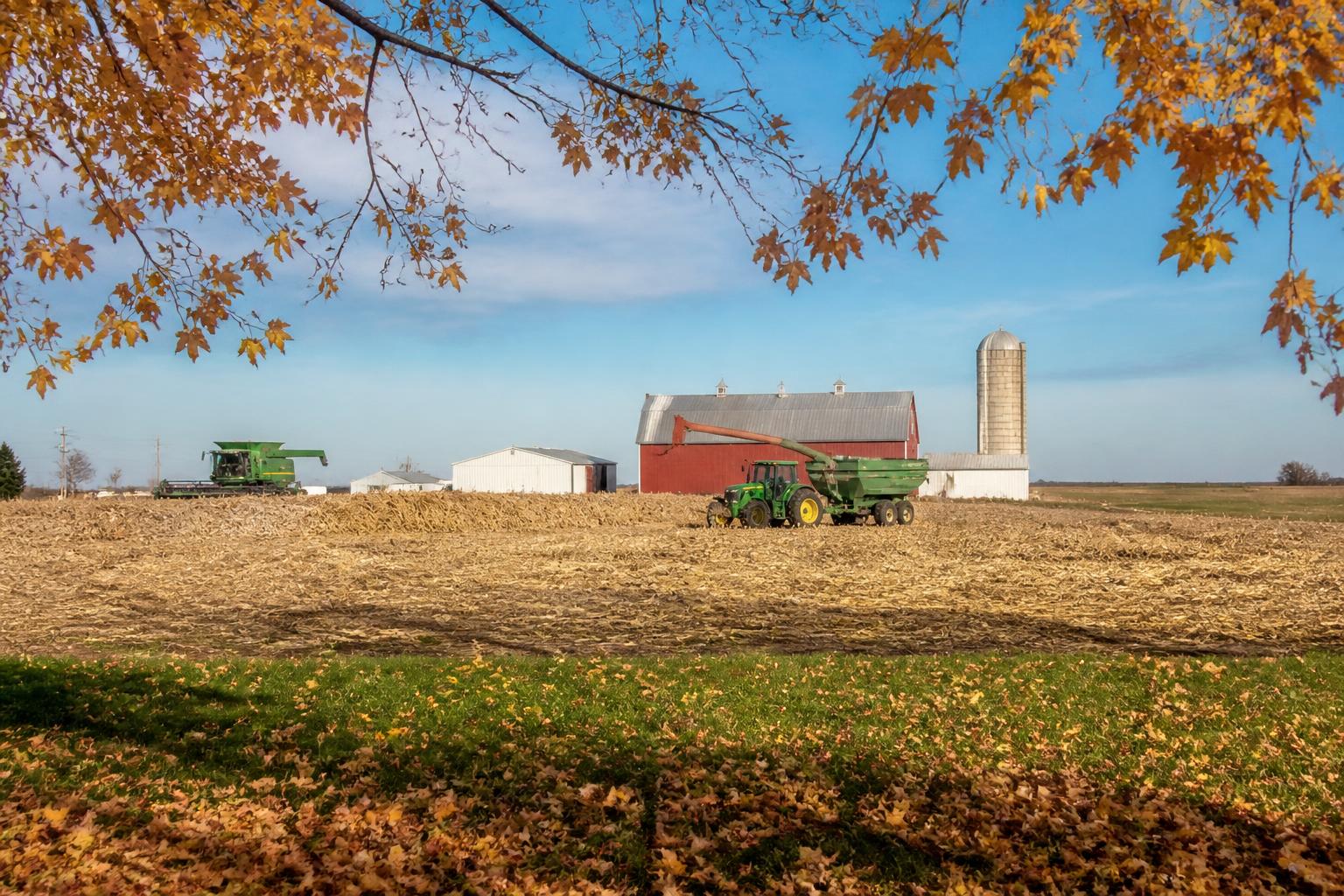
For Delaware producers, the late fall transition serves as a critical period for evaluating the upcoming production cycle. While field activities slow down, the focus shifts toward mitigating volatility in input markets and managing operational risks. With national debates on trade policies potentially impacting production costs, local agribusinesses are closely monitoring how these fluctuations may affect farm-level profitability and investment decisions in the coming months.
Equipment Market and Operational Shifts
The agricultural equipment sector remains under the spotlight as the industry navigates a period of market scrutiny. For those managing grain operations, keeping a pulse on major equipment trends is essential, as manufacturers adjust to cooling demand cycles. As discussed in our previous coverage of Delaware grain markets and fall logistics, logistics and infrastructure efficiency continue to be the backbone of local profitability. Producers are currently weighing the benefits of incorporating advanced data tools into their marketing strategies, with new AI-driven platforms emerging to assist in price analysis and grain management.
Seasonal Poultry Safety Protocols
As the colder, migration-prone months settle over the Delmarva Peninsula, the Delaware Department of Agriculture has reiterated its call for heightened poultry biosecurity. Protecting local poultry assets is paramount during this time of year, as avian influenza risks often climb with seasonal wildlife shifts. Maintaining strict biosecurity measures can serve as the most effective layer of protection for Delaware's robust poultry sector, which remains a cornerstone of the state's agricultural economy.
Planning for Future Input Costs
Looking ahead, farmers are encouraged to consider the broader economic factors that influence their balance sheets. From potential shifts in trade policy to the long-term outlook for global agriculture, managing risk is more vital than ever. For those navigating these uncertainties, staying informed about how Delaware producers navigate rising costs remains a top priority. Whether dealing with fertilizer procurement or equipment upgrades, early planning is often the difference between managing a market dip and being sidelined by it.
What it means for the market
The current market environment encourages a cautious, data-informed approach. By prioritizing biosecurity, adopting modern grain marketing tools, and remaining flexible with capital expenditures, Delaware agribusinesses can better position themselves against the current cycle of economic headwinds and supply chain variability.
Comments
No comments yet - be the first to share your take.