
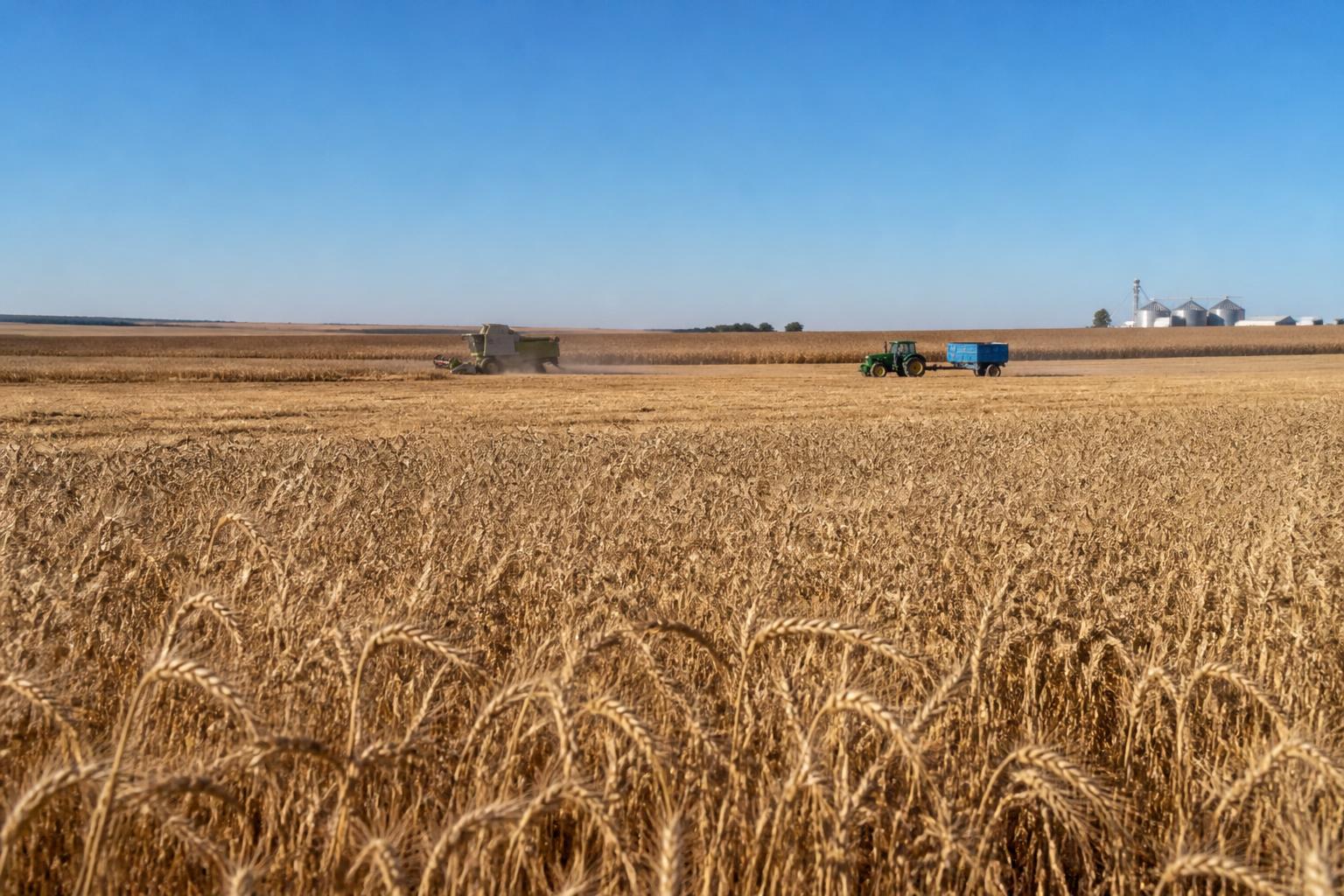
Market Momentum in Late November
As the harvest season winds down and the holiday break approaches, agricultural markets are showing signs of renewed activity. Recent futures trading has been defined by a rebound in soybeans and corn, largely driven by fund and technical buying. While initial sessions faced downward pressure, the market found support as the dollar softened, aiding the competitive position of U.S. commodities.
Soybean Crush and Industry Demand
Processors are fueling confidence in the soybean sector, with recent reports from the National Oilseed Processors Association highlighting a return to record-breaking crushing activity. After some logistical hurdles earlier in the season, particularly across the western Corn Belt, crush capacity has surged to meet persistent demand. This strong throughput, bolstered by healthy crush margins, serves as a significant bellwether for the industry's ability to handle the current supply.
For producers and grain handlers, this highlights the critical nature of navigating late-fall logistics. As regional capacity continues to evolve, agribusinesses are focusing on optimizing management practices—ranging from seed selection technology to supply chain efficiency—to ensure yields and profits remain protected despite global tariff uncertainties.
Global Market Dynamics
While U.S. markets are gaining steam, global factors continue to influence sentiment. International weather patterns, particularly in South America, remain a focal point for wheat producers, while shifting trade policies and foreign demand continue to introduce volatility into the grain complex. Looking ahead, market participants remain cautious regarding how these international pressures will balance against domestic harvest results and end-of-year inventory adjustments.
What it means for the market
The recent rally in corn and soybean futures suggests that demand-side fundamentals are currently outweighing some of the broader economic headwinds. For those in the storage and logistics chain, the record crush pace suggests that while supply is plentiful, the speed of movement from bin to processor remains the primary driver of regional price stability. Producers should keep a close watch on how the dollar index interacts with export demand in the coming weeks.
Comments
No comments yet - be the first to share your take.