
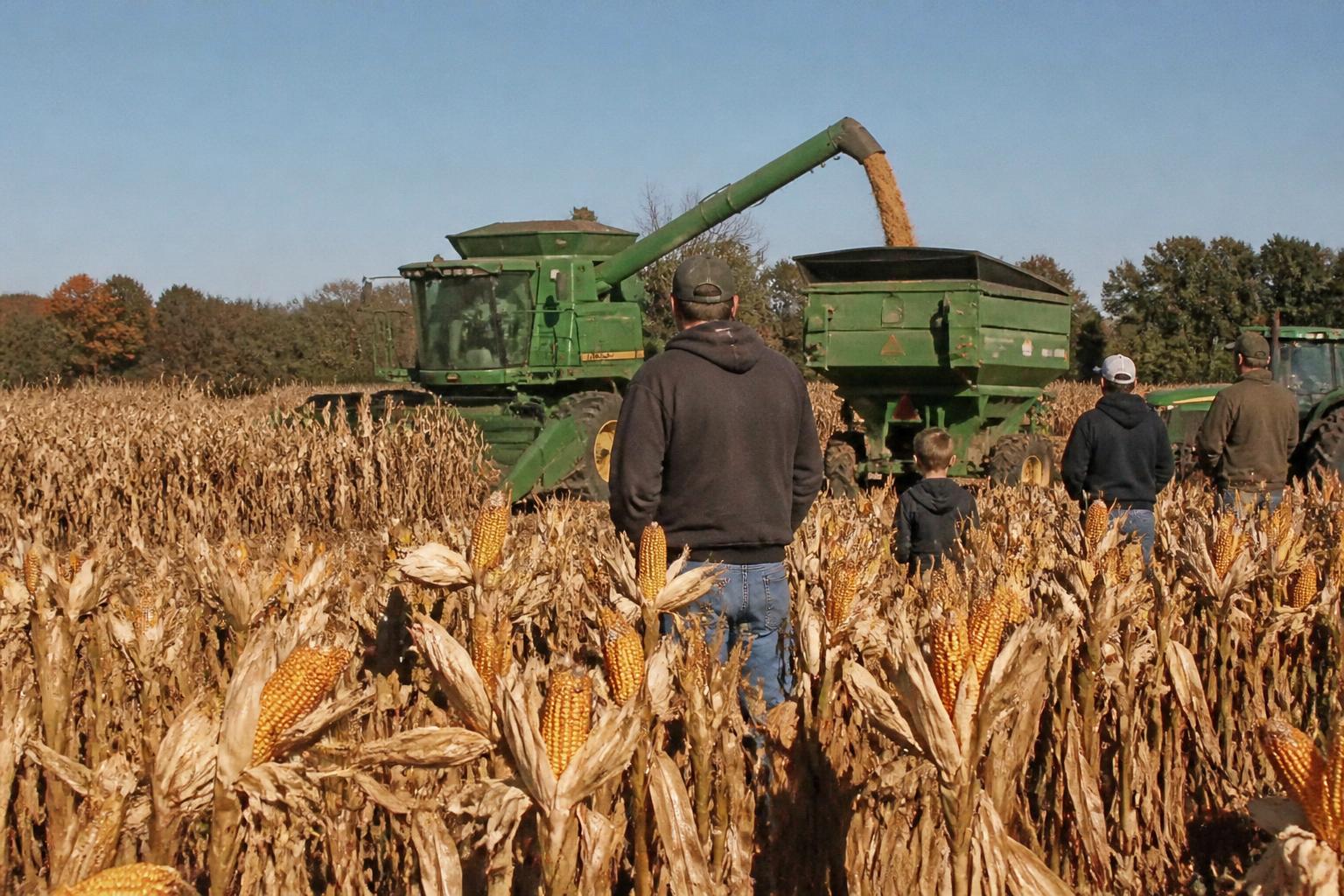
As the fall harvest season winds down, North Carolina agricultural producers are shifting their focus from field operations to logistics and infrastructure planning. For many grain handlers and farmers, the current period represents a critical window for evaluating supply chain bottlenecks and preparing for the winter storage cycle.
Regional infrastructure remains a primary point of discussion for local agribusinesses. In Moore County, recent approvals for a new farm market and food-processing facility along N.C. 211 signal a move toward increased local value-added capabilities. Projects like these often help stabilize seasonal harvest progress by providing closer delivery points for growers, potentially reducing long-haul transport costs during high-volume periods.
Logistics and Rail Considerations
Beyond local developments, broader industry concerns continue to influence the outlook for grain movement. National debates regarding major railroad mergers have drawn attention from farm organizations, particularly concerning how consolidated rail networks might impact grain rates. For those managing logistics and seasonal grain flow, the stability of rail freight is essential, as any fluctuation in shipping costs can significantly impact the final price realized at the elevator level.
Statewide Harvest Context
While the national corn harvest approaches completion, producers across the state have been navigating their own specific recovery and harvest timelines. The ongoing efforts in western North Carolina following recent weather events highlight the resilience of the agricultural community, with the Christmas tree harvest providing a necessary economic lift for growers in those regions as the year draws to a close.
What it means for the market
For North Carolina stakeholders, the immediate market outlook centers on balancing local infrastructure growth with the uncertainty of national shipping costs. Producers should monitor local elevator bids closely as storage fills and regional processing capacity begins to evolve. Maintaining efficient communication with transport partners remains the best strategy for managing the remaining seasonal grain movement through the end of the year.
Comments
No comments yet - be the first to share your take.