
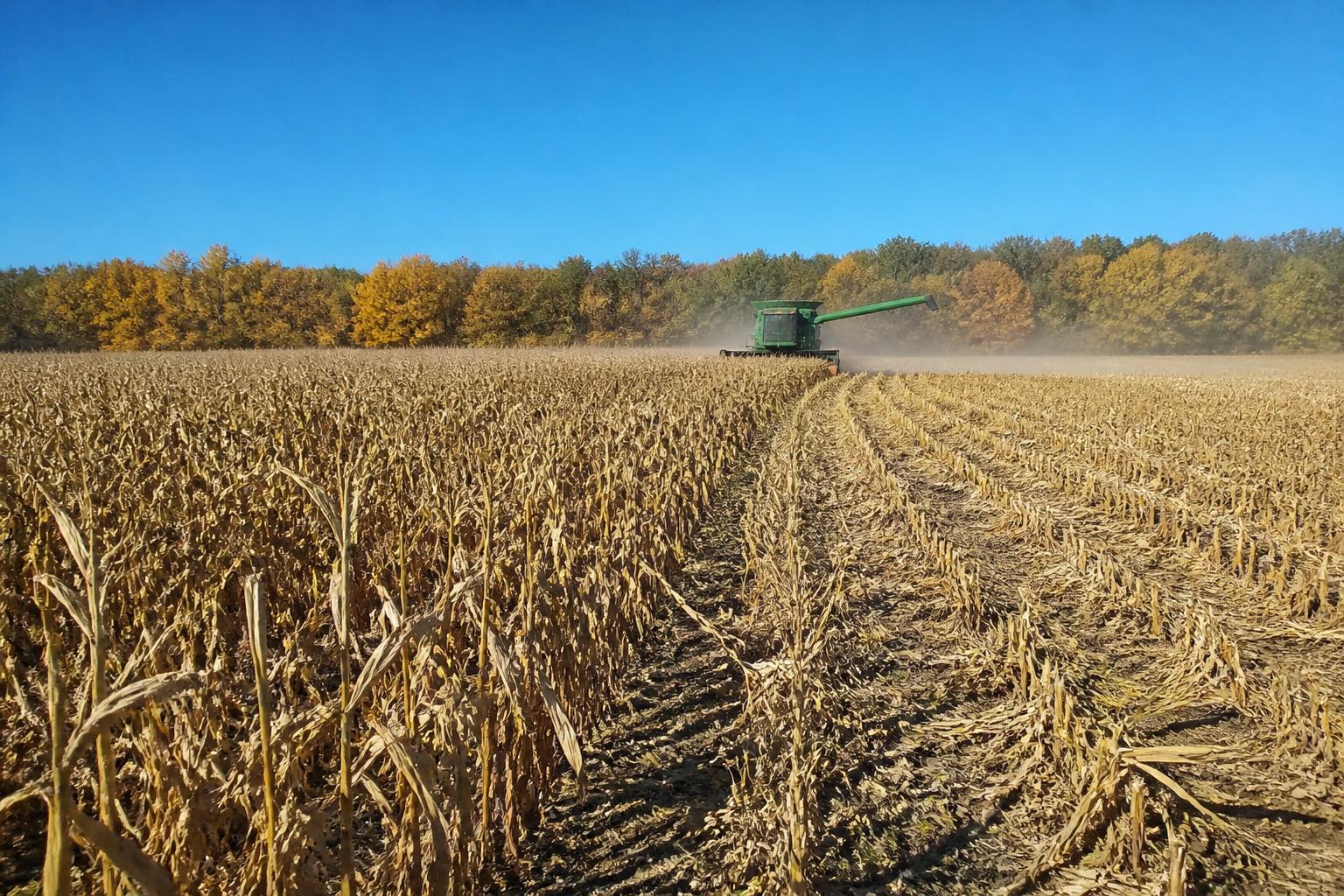
With the autumn harvest season drawing to a close, North Dakota producers are assessing the final outcomes of a challenging year. Reports from across the state, particularly in northeastern regions, indicate that corn performance has been mixed, with some fields yielding less than historical averages due to persistent dry conditions throughout the growing season.
For grain handlers and local agribusinesses, the primary focus has shifted toward managing inventory and logistics as the push to move commodities to storage or market continues. Ensuring that available capacity is maximized remains critical as producers look to secure storage for the season's remaining volume.
Market Context and Regional Challenges
Beyond immediate field performance, operators are monitoring the broader economic landscape. Policy developments and federal program deadlines remain a focal point, as farmers evaluate their options for managing risk amid shifting environmental and trade pressures. For those looking to optimize their grain marketing strategies in North Dakota, the current environment necessitates a closer look at both local elevator availability and broader supply chain constraints.
Logistics remain a persistent concern. The regional infrastructure is under constant pressure to move crops efficiently during the peak of the fall season, and maintaining high standards for crop integrity during transport is a recurring priority for shippers and carriers operating across the state's rail and highway corridors.
What it means for the market
The current market landscape is characterized by a mix of yield uncertainty and external economic pressures. Producers and agribusinesses should remain agile, prioritizing flexible storage solutions and staying informed on shifting trade policies that may impact demand. As we move deeper into the winter period, the ability to effectively manage on-farm inventory will be a defining factor in navigating the months ahead.
Comments
No comments yet - be the first to share your take.