
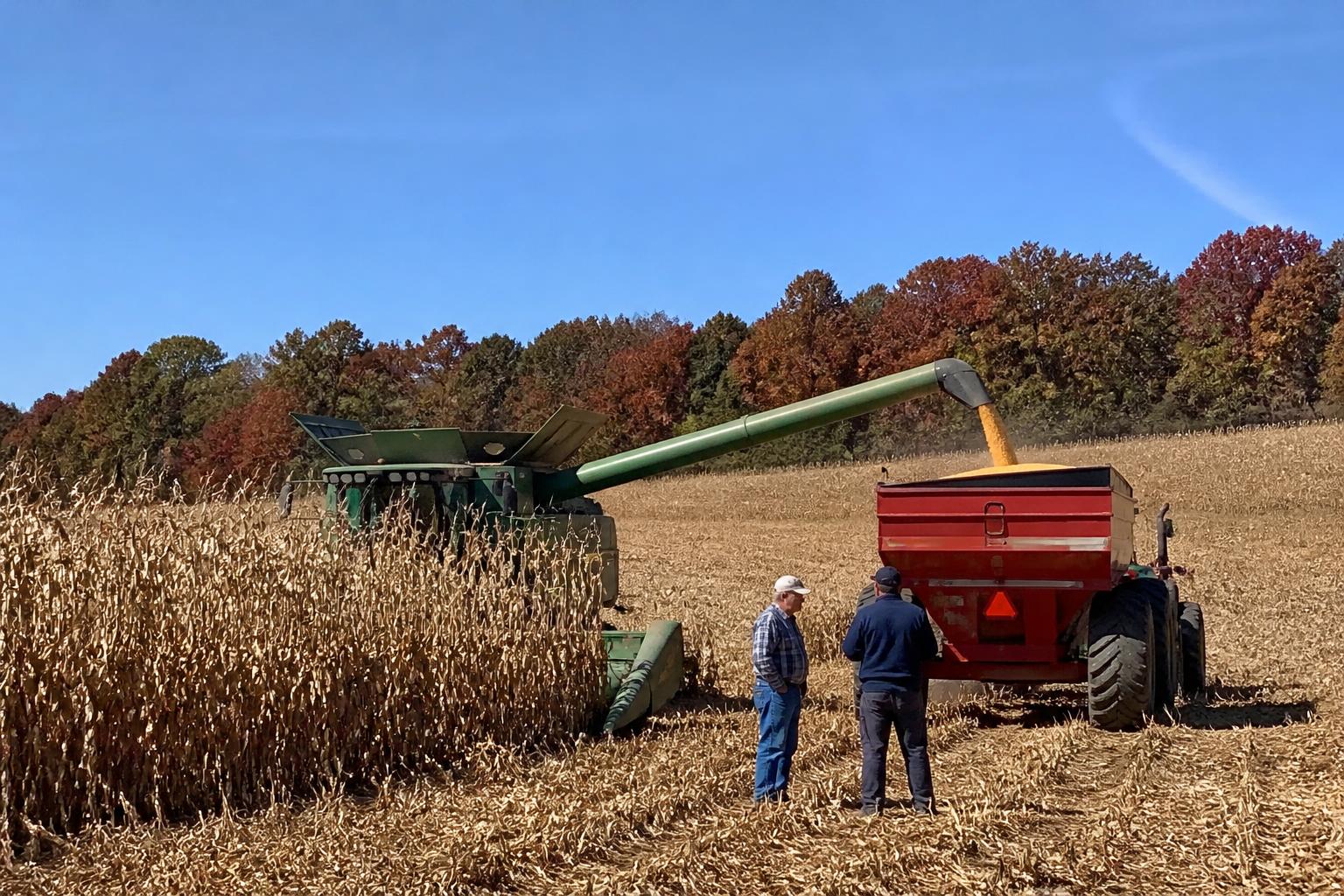
As the fall harvest season concludes in Pennsylvania, producers are turning their attention toward next year's operational planning. Beyond the immediate logistics of wrapping up fieldwork, agricultural leaders are closely monitoring two primary factors that continue to shape the regional market: labor security and input pricing volatility.
Recent discussions among state leadership and local agricultural stakeholders in Lancaster County have highlighted the ongoing concern regarding labor availability. A stable workforce remains critical for the diverse operations characterizing the Pennsylvania agricultural landscape, from dairy facilities to intensive vegetable production. Ensuring that labor policies support the needs of family-owned farms is often cited as a priority for sustaining local food production and maintaining the viability of regional ag-economies.
Input Price Trends and Fertilizer Dynamics
For growers evaluating their nutrient management plans for the upcoming season, the fertilizer market is showing mixed signals. While urea prices have reportedly softened, market pressure persists in the phosphate sector, largely driven by rising sulfur costs. These price fluctuations often force producers to re-evaluate their input procurement strategy to mitigate exposure to sudden cost spikes before the spring application window opens.
The Role of Precision Technology
In response to these tightening margins, there is growing interest in precision agriculture tools that optimize input efficiency. Technologies such as controlled-release pesticide formulations are gaining traction, allowing producers to apply resources with greater accuracy. By reducing waste and improving the efficacy of chemical applications, these tools offer a path toward more predictable cost structures in an uncertain market environment.
What it means for the market
Pennsylvania farmers should prepare for a season defined by strategic resource management. With labor policy remaining a focal point for state dialogue and global supply chain pressures affecting fertilizer prices, success will likely depend on balancing long-term crop planning with the tactical use of precision technology. Producers are advised to maintain flexible procurement schedules and stay engaged with regional policy updates to navigate these evolving pressures.
Comments
No comments yet - be the first to share your take.