
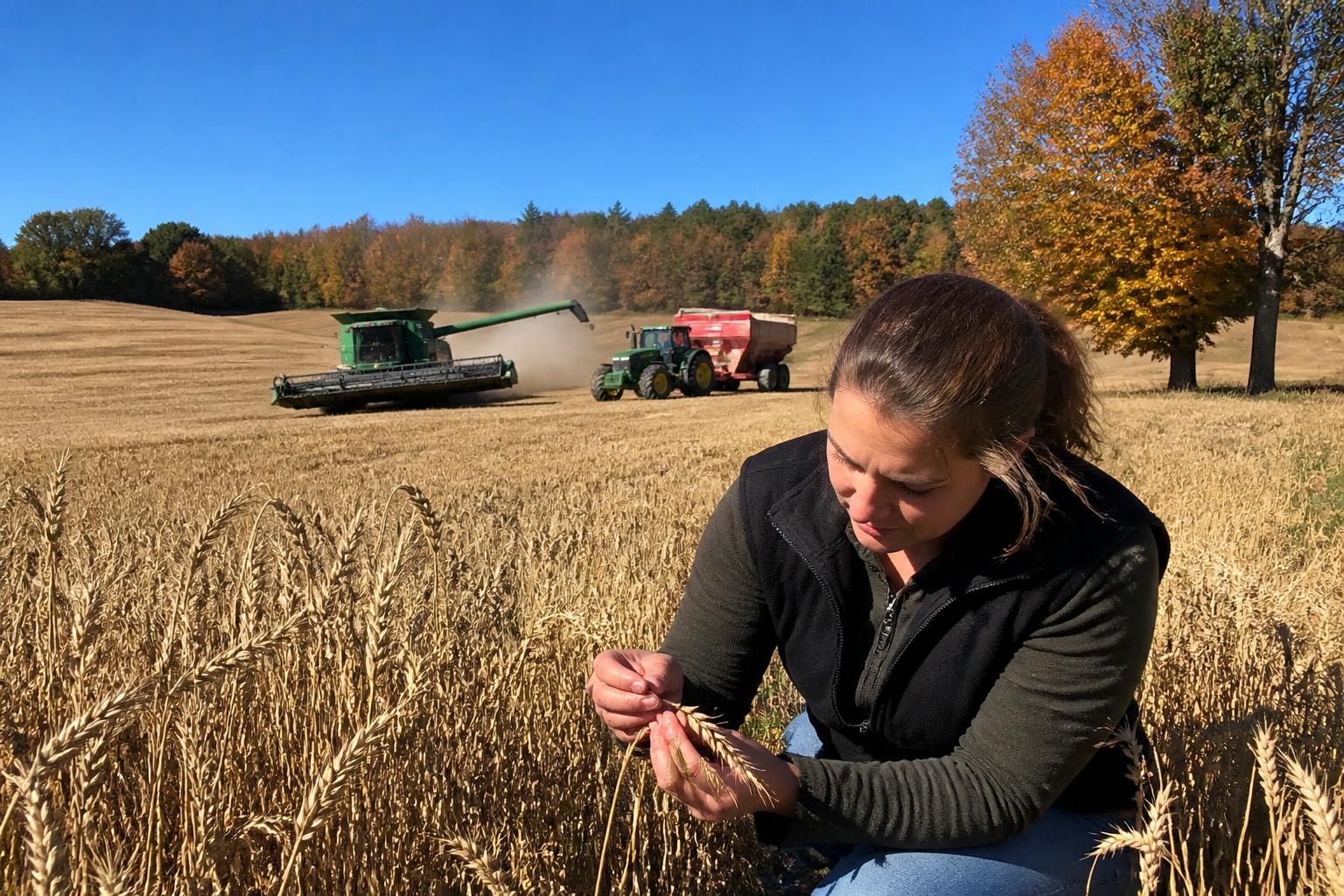
As Colorado growers progress through the tail end of the fall season, managing field health remains a critical priority for local wheat producers. Researchers are actively working to address the impact of persistent, tiny pests that have recently caused concern in the state's wheat-growing regions. These ongoing challenges underscore the importance of precise land management and timely intervention to protect yield potential before the winter dormancy period fully sets in.
For many agricultural businesses across the state, the ability to control pests while optimizing input costs is becoming more accessible through new technology. With the recent establishment of local headquarters for precision spraying leaders like WEED-IT, growers in regions such as the Front Range and beyond may find it easier to adopt spot-spraying solutions. This shift toward precision application represents a broader trend in the Colorado agricultural landscape, where data-driven strategies are increasingly replacing blanket chemical applications.
Integrating Sustainability and Tech
The intersection of crop protection and environmental stewardship is more relevant than ever. Beyond traditional chemical usage, there is a growing emphasis on how agricultural land management influences pollinator habitats. For those planning their upcoming seasons, balancing effective protection with ecological health is becoming a staple of operational success. This strategic approach to wheat and input management allows operators to navigate fluctuating costs while maintaining the long-term viability of their soil and land resources.
Furthermore, producers looking to diversify their holdings or improve operational efficiency are exploring adaptive grazing programs and virtual fencing initiatives. These programs provide a pathway to improve soil health and water management, which remain vital as land and water resources stay at the forefront of regional discussions.
What it means for the market
For Colorado farmers and ag-service providers, the market is signaling a shift toward specialized, technology-heavy solutions. While input costs for basic commodities like urea have seen downward pressure, the investment in high-tech crop protection tools is rising. Producers who prioritize precision technology this season will likely be better positioned to manage the dual pressures of pest mitigation and resource efficiency as they head into the 2027 planning cycle.
Comments
No comments yet - be the first to share your take.