
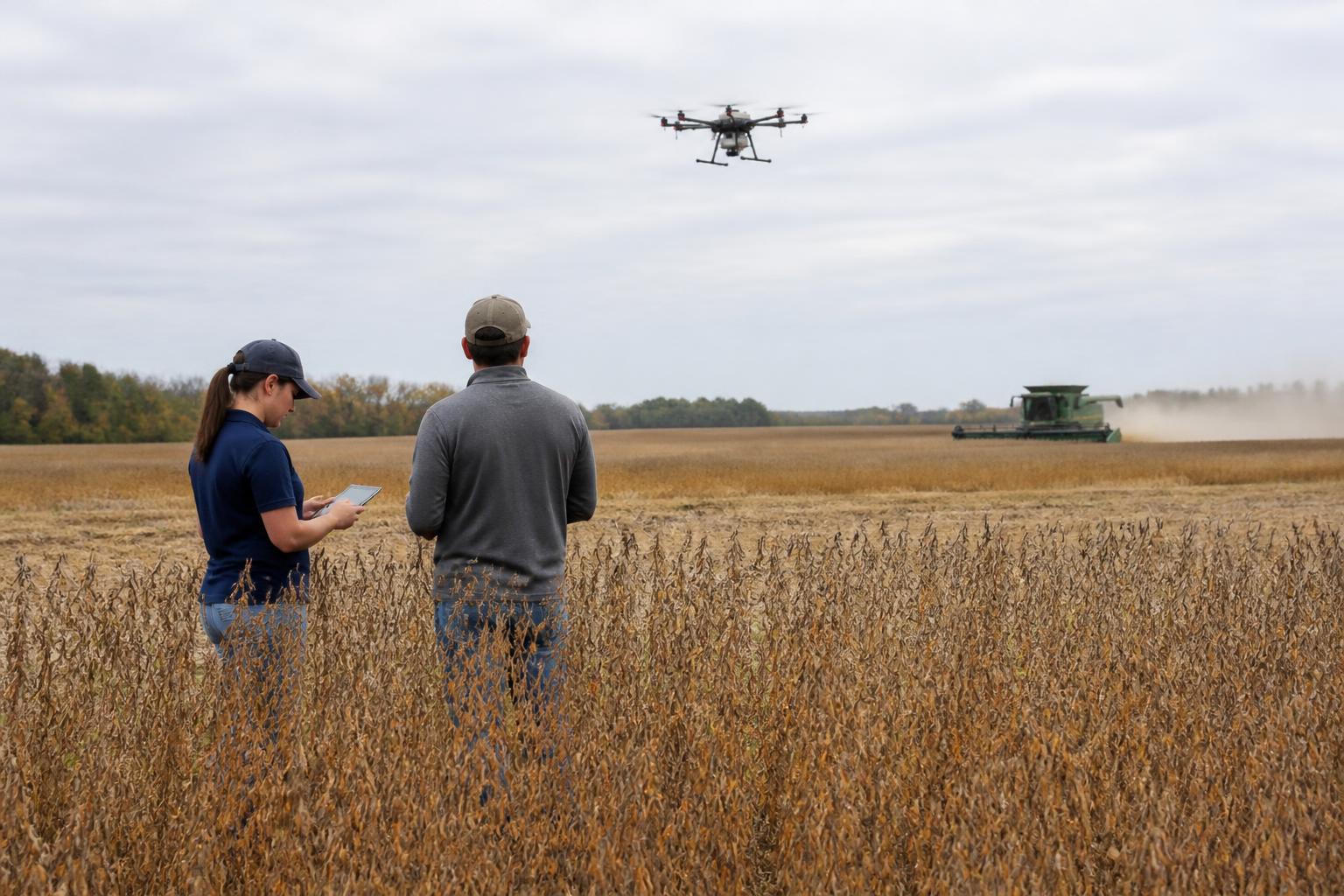
Hawaii farmers and land managers are facing a dynamic period of change as both high-tech innovations and shifting legal precedents influence how they approach crop protection. As the agricultural community navigates these complexities, maintaining vigilance over both traditional and emerging threats remains a priority for regional operations.
New developments at the University of Hawaii are drawing attention, with researchers currently working on artificial intelligence tools designed to predict the spread of invasive beetles. By analyzing environmental data and historical migration patterns, this technology aims to provide producers with a more proactive method for mitigating crop damage before it reaches critical levels. Such advancements represent a potential shift toward precision-based pest management, allowing for more targeted interventions in diverse tropical cropping systems.
Navigating the Evolving Legal Landscape
Beyond regional technical advancements, the broader regulatory and legal environment for chemical inputs continues to evolve. Recent judicial developments, including court-approved settlements regarding widely used herbicides like Roundup, have reinforced the need for producers to stay informed on the shifting viability of standard protection products. For many agribusinesses, these legal developments underscore the importance of evaluating long-term risk management strategies when selecting input portfolios.
As operations adapt to these pressures, many are looking toward integrated pest management models that emphasize biodiversity and non-chemical alternatives to supplement traditional tools. Integrating these practices can offer a hedge against both regulatory uncertainty and the increasing cost of chemical inputs.
What it means for the market
For the Hawaii producer, the current climate necessitates a dual focus: adopting emerging diagnostic tools like AI-driven pest monitoring while carefully reviewing input supplier relationships. As the landscape for conventional pesticides remains under legal scrutiny, maintaining a diversified crop protection strategy—balancing technology with ecological management—is likely to be a prudent approach for ensuring long-term yield stability in the face of ongoing invasive threats.
Comments
No comments yet - be the first to share your take.