
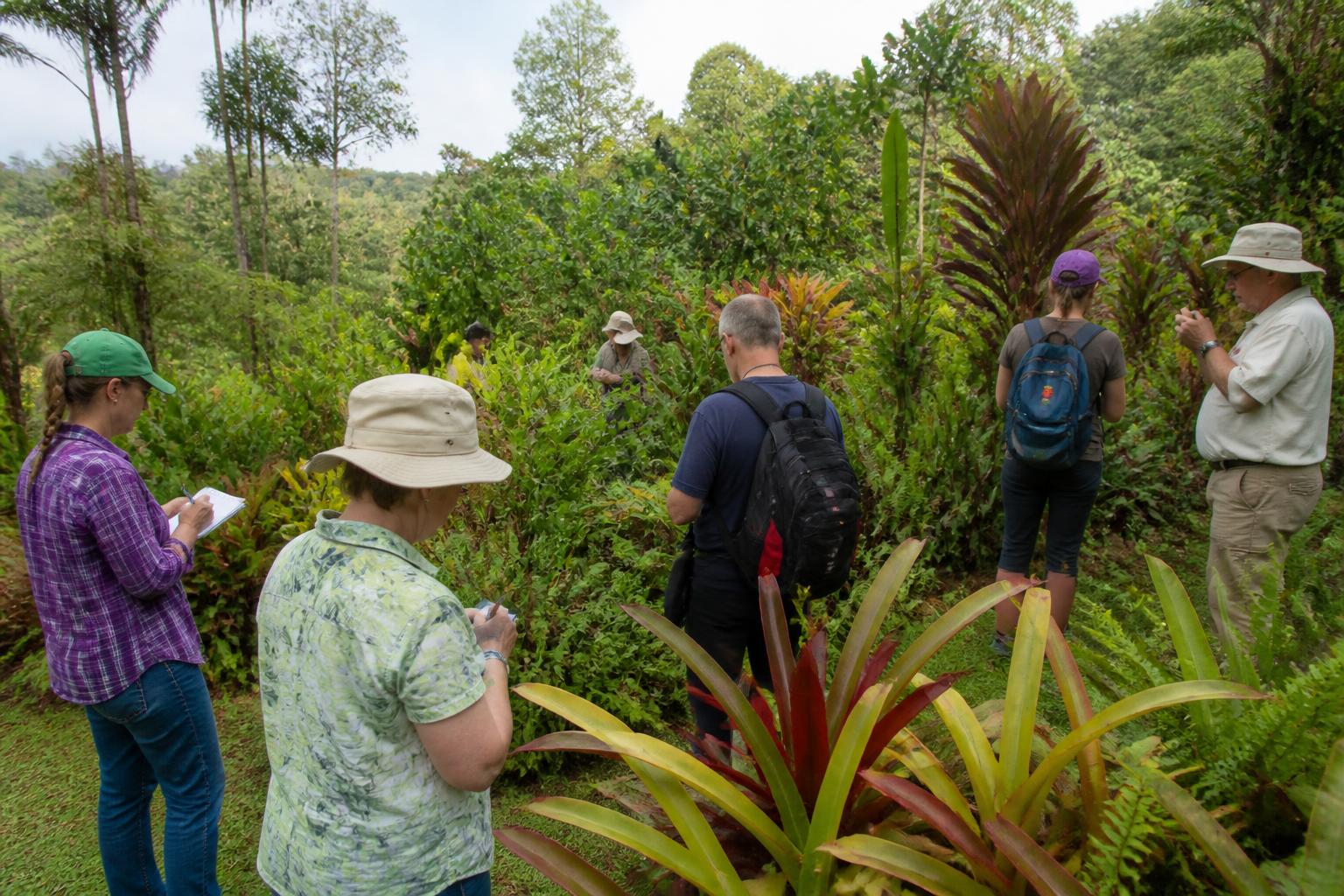
In Hawaii, managing crop health as we move deeper into the fall season requires a renewed focus on local ecosystems. With the ongoing interest in bio-monitoring and citizen science initiatives across the islands, such as recent activities in the Kona region, farmers are gaining new insights into how local flora and fauna can impact agricultural stability. Understanding the role of native and introduced species in your immediate environment is a critical component of mitigating pest pressure before it affects seasonal yields.
The Role of Biodiversity in Crop Protection
Proactive monitoring is often the first line of defense for specialty crop producers. Rather than relying solely on reactive chemical interventions, many operators are now adopting strategies that integrate field-level observation with broader conservation efforts. By participating in or observing regional biodiversity events, agribusinesses may identify beneficial insects that naturally suppress common tropical pests. This approach aligns with innovative cultivation strategies that prioritize long-term soil and plant health.
Supply Chain and Seasonal Resilience
For many producers, the fall months represent a time to re-evaluate input reliance. Strengthening the local supply chain remains a priority for those looking to decrease vulnerability to external market shocks. As discussed in recent reports on boosting Hawaii farm viability, reducing dependency on imported pest control agents and fertilizers can provide a buffer against fluctuating commodity prices and logistical delays that often plague island agriculture.
What it means for the market
For the Hawaii producer, the current market climate favors those who integrate field data with sustainable protection practices. By monitoring local biodiversity, farms can potentially reduce operational overhead associated with intensive pest management while simultaneously improving the resilience of their crops against seasonal shifts. Aligning with regional sustainability initiatives not only supports local ecosystems but also serves as a strategic move to stabilize production costs in an increasingly volatile global market.
Comments
No comments yet - be the first to share your take.