
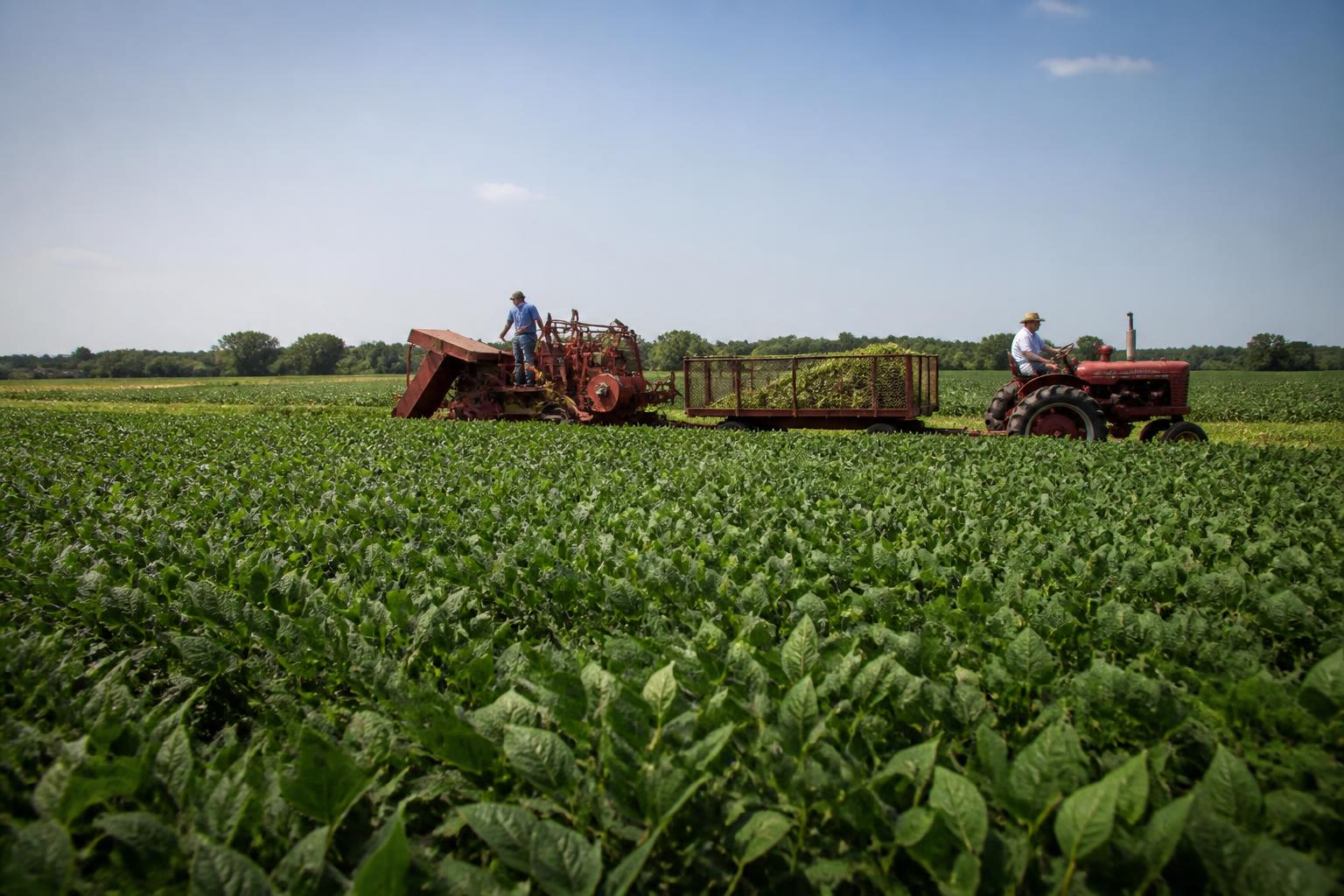
Tennessee agricultural producers are entering the heart of the summer season facing a complex matrix of regulatory developments, international trade headwinds, and financial recovery efforts. From the soybean fields of West Tennessee to the rolling pastures of the eastern counties, growers are evaluating their risk management strategies as summer heat intensifies and the mid-year logistics rush begins.
As field operations peak, Tennessee agribusinesses are still recovering from the long-term financial impacts of severe weather events, including past storm systems like Hurricane Helene, which inflicted over $1 billion in damages on the state's agricultural sector. In response to these vulnerabilities, new federal assistance initiatives and crucial legal decisions are providing some clarity for local operations attempting to stabilize their books.
Legal Victories Provide Stability for Tennessee Crop Protection
In a major development for the state's row-crop sector, the Tennessee Soybean Association recently commended a landmark U.S. Supreme Court ruling regarding the widely used herbicide Roundup. The decision offers a layer of regulatory certainty for soybean growers who rely heavily on glyphosate-based products to manage weed pressure during critical summer growth stages.
With summer weed management in full swing, local agronomists point out that access to proven crop protection tools remains vital for maintaining yield potential. For growers trying to manage costs, the ruling helps secure access to necessary inputs without the immediate threat of sudden regional restrictions. Producers looking to optimize their chemical applications can review broader Tennessee crop protection options to ensure regulatory compliance and resource stewardship as temperatures climb.
Federal Relief Targets Shallow Losses and Uncovered Farmers
To help cushion the blow of recent weather extremes, the USDA has rolled out a new round of disaster assistance aimed specifically at uncovered producers and those suffering from "shallow losses" that fell outside traditional crop insurance safety nets. This program is expected to provide much-needed liquidity to Tennessee farmers who have faced accumulated losses from erratic weather patterns but did not qualify for previous emergency payouts.
This financial relief arrives at a critical juncture. Many Tennessee operators are dealing with tight profit margins exacerbated by international trade tariffs, which continue to squeeze export opportunities and depress local commodity prices. Managing these volatile input costs has forced some operations to delay equipment upgrades or seek off-farm income streams to balance their balance sheets.
Diversification and Conservation Programs Keep Moving Forward
Beyond traditional row crops, the state's forestry sector is preparing for future planting cycles. The Tennessee Division of Forestry Nursery has officially opened order books for its tree seedling program, encouraging landowners to invest in long-term timber and conservation tracts. This seasonal transition underscores the diverse nature of Tennessee's land-use economy, which blends commercial farming with aggressive conservation efforts.
At the same time, the state is celebrating its deep farming heritage. Supported by an America 250 grant, the Tennessee Agricultural Museum is preparing for its Antique Tractor and Engine Show, highlighting the evolution of farming technology along major historical transport routes. Modern logistics, however, remain focused on current shipping corridors, where regional carriers are navigating busy highway networks to keep grain moving efficiently. Ensuring seamless transport along major truck routes is detailed in our coverage of ag transport and shipping corridors during high-demand summer months.
What it means for the market
For Tennessee agribusinesses, the combination of targeted USDA disaster relief and favorable federal legal rulings provides a temporary buffer against ongoing tariff pressures and high operating costs. Grain handlers and crop input buyers should use this period of regulatory stability to secure summer supply chains and lock in pricing where possible. Farmers are advised to closely evaluate their eligibility for the new shallow-loss disaster programs to shore up working capital before fall harvest logistics begin to dominate the market landscape.
Comments
No comments yet - be the first to share your take.