
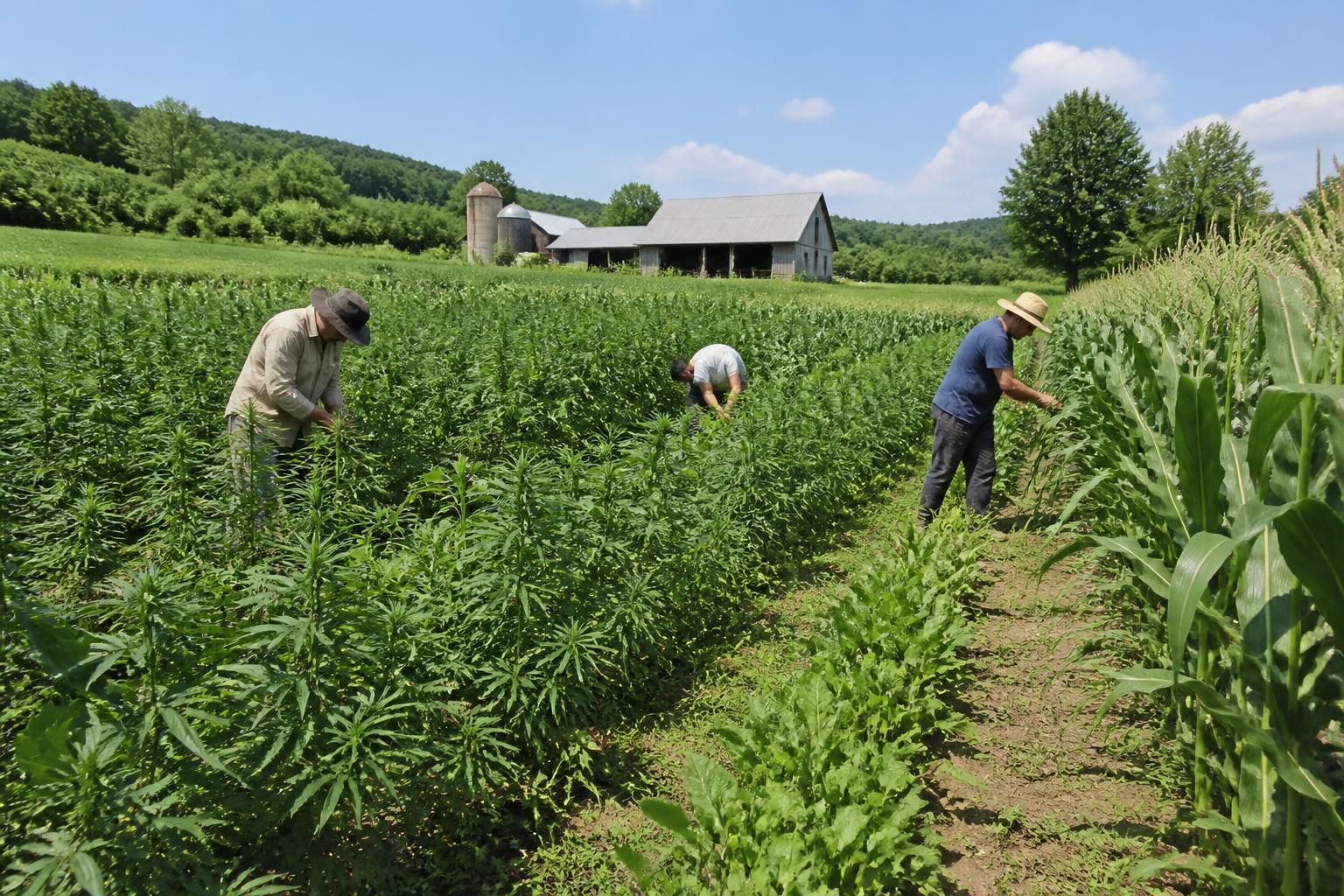
As Vermont enters the heart of the summer season, the state's grain and feed sectors are experiencing significant regulatory and market evolutions. Agribusinesses across the state, from the Champlain Valley to the Northeast Kingdom, are adjusting to landmark restrictions on crop protection inputs while simultaneously tapping into high-value local grain chains. These shifts are forcing growers and livestock operations to rethink their weed control strategies and feed sourcing.
The Landmark Paraquat Ban and Crop Protection Shifts
Vermont has made headlines by becoming the first state in the nation to finalize a complete ban on paraquat, a widely used weed killer that has been linked to Parkinson's disease. For grain farmers and feed producers who rely on chemical inputs to manage weeds in corn and small grains, this ban represents a major pivot point. This regulatory shift comes at a time when environmental oversight of agricultural practices is hitting an all-time high, particularly near sensitive watersheds.
Growers are actively looking for alternative weed management programs. The transition away from paraquat is driving interest in alternative herbicides, integrated pest management, and mechanical cultivation techniques. To stay compliant, farmers are closely tracking local environmental rules, as seen when Vermont restricts crop protection inputs as Lake Champlain scrutiny intensifies, which forces a broader re-evaluation of seasonal spraying programs.
High-Value Local Grain Channels and Specialization
Despite regulatory hurdles, local grain production in Vermont is carving out specialized niches. Small-scale grain producers, such as NEK Grains in the Northeast Kingdom, are proving that locally grown wheat, rye, and barley can command premium prices when marketed directly to bakers, brewers, and local communities. This trend is supported by an expanding regional appreciation for locally sourced agricultural goods, exemplified by enterprises like Bristol-based Vermont Farm Table which highlights the economic value of growing with the grain.
At the same time, regional crop diversity is expanding, with some producers focusing on specialty niche crops like CBD hemp, while others adapt traditional operations like Christmas tree farms and dairy production to changing environmental conditions. However, the high costs of regional production and feed transport remain a persistent challenge, especially when Vermont feed and grain markets face pressure during volatile summer growing seasons.
Funding and Equipment for Water Quality
To help grain and livestock farmers transition to more sustainable management practices, the state has prioritized financial assistance. Grants are increasingly available to help producers purchase specialized farm equipment that improves water quality. These funds allow growers to acquire precision application equipment, low-till seed drills, and cover crop rollers.
These investments are designed to mitigate run-off and ensure compliance with strict state watershed policies. Producers navigating these changes are finding that modernizing their equipment is no longer optional, especially when navigating herbicide debates and watershed rules that dictate summer field operations.
What it means for the market
For Vermont's agricultural community, the current environment demands a high degree of adaptability. The ban on paraquat and the push for cleaner water mean that grain handlers and dairy operations must expect higher weed control costs and potential shifts in local feed availability. However, the resilience of regional brands like NEK Grains demonstrates that a strong market exists for high-quality, local grains. Farmers who leverage equipment grants and focus on niche market opportunities will be best positioned to weather the rising regulatory standards and operational costs of the summer season.
Comments
No comments yet - be the first to share your take.