
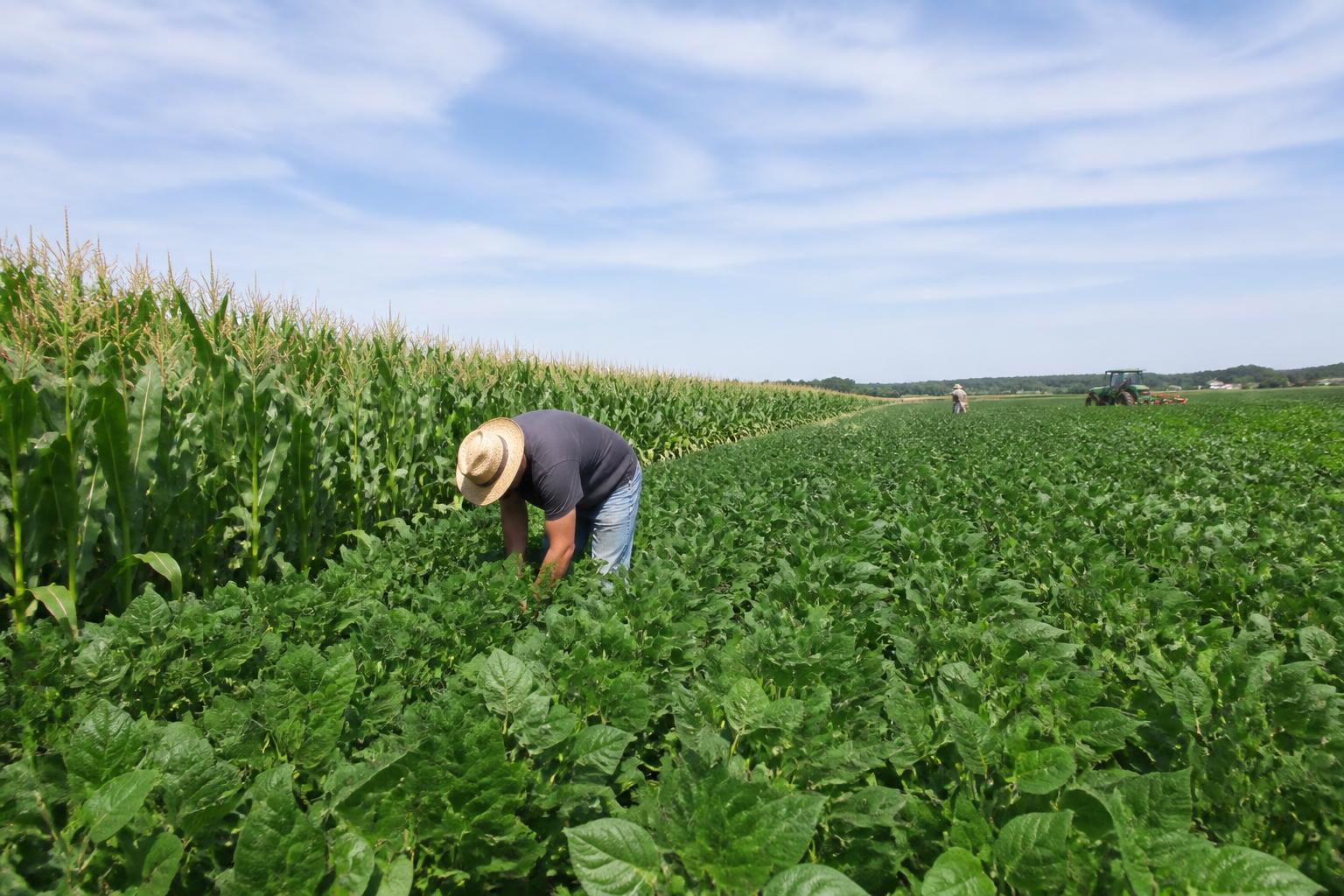
As Delaware growers work through the busy summer season, global crop and fertilizer markets are experiencing a welcome period of calming. The sharp geopolitical risk premiums that previously drove volatility in international energy and plant nutrient sectors, particularly surrounding tensions in the Middle East, have largely been wiped out. This cooling of international markets is translating to a more predictable pricing environment for East Coast agricultural inputs.
At the same time, regional logistics and corporate restructuring are reshaping the local agricultural business landscape. From major corporate property deals in New Castle County to state-level discussions on maritime transport, Delaware's farming infrastructure is transitioning to meet both economic and environmental challenges.
Global Market Calms and Pricing Relief
Earlier in the year, global fertilizer dynamics were highly fragmented, characterized by sudden disruptions such as a five percent spike in global urea prices during the late winter. However, the subsequent removal of the Middle East war risk premium from energy and crop markets has brought a sense of stability back to retail distribution channels. This easing offers local corn, soybean, and poultry operations a clearer window for managing overhead costs.
For Delaware crop producers, tracking these global shifts remains essential for timing bulk purchases. Growers who actively monitor international developments are finding better opportunities for managing fertilizer inflation and global risks as supply chains normalize. While global manufacturers like Poland's Grupa Azoty Pulawy and Turkey's Gubre Fabrikalari have reported steady financial baselines on international exchanges, the broader focus remains on local retail availability and long-term price security.
Delaware Infrastructure and Corporate Shifts
Within the state, corporate agricultural assets are also seeing major shifts. FMC Corporation, a major player in crop protection and agricultural sciences, recently announced a 114 million dollar sale-leaseback of its Newark, Delaware facility. This transactional move highlights how leading agricultural firms are optimizing their balance sheets and capital allocation within the region.
On the logistics front, Delaware's new Governor, John Meyer, has stepped into several critical economic areas, including state port governance. The ongoing development and operational stability of local port facilities are crucial for Mid-Atlantic input logistics, as liquid and dry bulk fertilizer imports frequently rely on regional Delaware River shipping channels. Ensuring smooth port operations helps prevent localized supply bottlenecks during key application windows, especially as growers seek nitrogen pricing relief following a wet spring.
The Drive Toward Sustainable and On-Farm Production
Beyond traditional commercial channels, interest is growing in integrated agriculture and sustainable food production systems throughout Delaware. Some of this interest is being supported by state-level initiatives, such as the Second Grant Application Cycle of the First State Food System Program, which aims to strengthen local agricultural supply chains.
Concurrently, technological advancements in on-farm fertilizer production are gaining attention. New systems capable of generating nitrogen directly on the farm without relying on heavy import infrastructure represent a potential long-term shift for localized agriculture. Such innovations could eventually insulate Delaware's diverse farming operations from global shipping disruptions and the pricing fluctuations of foreign natural gas markets.
Key Takeaways for Delaware Agribusinesses
- De-escalated Global Risks: The elimination of geopolitical risk premiums has helped smooth out international fertilizer values, reducing immediate price spike concerns.
- FMC Capital Move: FMC's 114 million dollar Newark property deal reflects active corporate financial management in the state.
- Logistical Priorities: Local port discussions highlight the importance of maintaining efficient waterborne import channels for Mid-Atlantic input suppliers.
- Alternative Tech: On-farm nitrogen-generation technology continues to emerge as a viable option for reducing long-term import dependency.
What it means for the market
For Delaware's agricultural retail dealers and crop producers, the current market calm represents a strategic window to evaluate fall input requirements. While the global supply chain remains sensitive to sudden logistical bottlenecks, the erosion of geopolitical risk premiums provides a rare period of price consolidation. Buyers should coordinate closely with regional distributors to secure summer and fall deliveries while shipping lanes remain open and international energy costs remain stable.
Comments
No comments yet - be the first to share your take.