
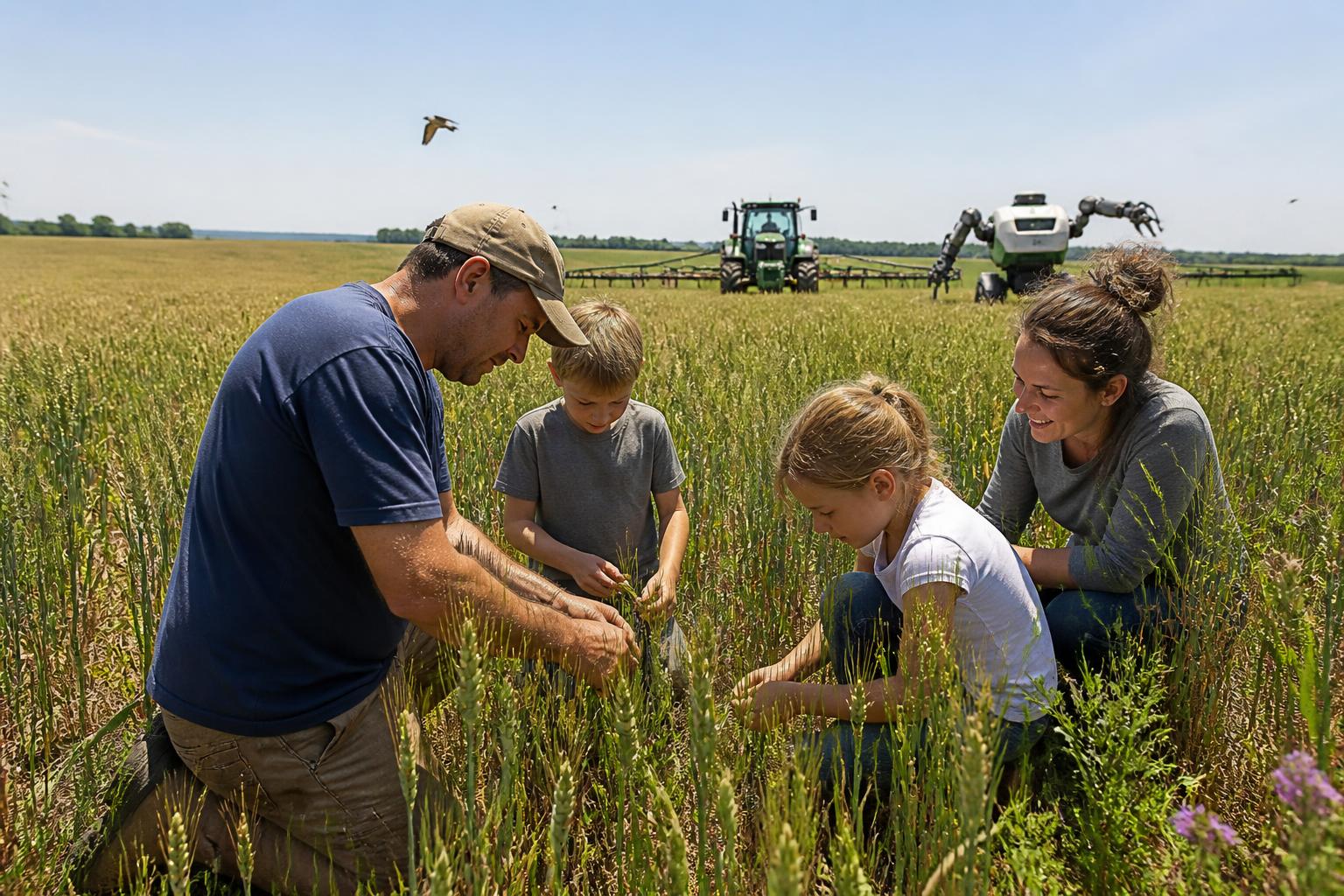
Kansas growers are navigating an increasingly complex risk environment this summer. With tight margins from depressed wheat prices hitting the rural economy, protecting farm assets extends far beyond simple pest management. Agribusinesses must actively shield their operations from legal, financial, and regulatory liabilities to remain viable in a challenging market.
From compliance with intellectual property laws to utilizing robust crop insurance frameworks, safeguarding a modern Kansas farm requires a multi-layered strategy. For those operating along major agricultural corridors like I-70 or the high-production counties of central and western Kansas, proactive risk management is now the primary defense against market downturns.
Legal Protection and PVP Act Compliance
Protecting crop assets is not just about biological defense; it is also a matter of legal compliance. A recent settlement between Syngenta and a Kansas producer over a Plant Variety Protection (PVP) Act violation serves as a stark reminder of the financial risks associated with intellectual property. The PVP Act protects developers of unique seed varieties, making it illegal to save, clean, or sell protected seed without proper authorization.
Input suppliers and grain handlers across Kansas must maintain rigorous tracking to avoid costly disputes. With federal agencies and seed developers actively monitoring compliance, growers should carefully review their seed purchase agreements before harvesting and storing grain. Unauthorized seed conditioning or sales can quickly lead to costly litigation, erasing any perceived short-term savings.
Mitigating Financial Volatility with Crop Insurance
With market values squeezed, crop insurance remains the most critical safety net for dryland and irrigated operations alike. The foundational revenue insurance concepts pioneered by agricultural economists like Art Barnaby have become essential tools for survival. These policies help protect against both yield failures and sharp price drops, ensuring that local elevators and producers can plan for the future despite current market pressures.
When executing summer marketing plans, integrating crop insurance guarantees with forward-pricing strategies is key to mitigating revenue volatility on Kansas operations. Relying solely on cash sales during a market dip exposes farms to extreme downside risk, making structured coverage a non-negotiable part of the summer business plan.
Land Value Protection and Liability Management
As some high-quality Kansas farmland tops $4,000 an acre, protecting the physical property itself is top of mind for landowners. High land values increase the stakes for liability management. With various hunting seasons approaching later in the year, summer is the optimal time for landowners to establish clear boundaries, secure written recreational use agreements, and verify liability insurance coverage.
In many rural counties, opening land to recreational use or lease can provide a valuable secondary revenue stream. However, without formal agreements that leverage state recreational use statutes, landowners face potential exposure. Clear communication and written contracts are essential for balancing pest defense with financial realities and land liability protection.
What it means for the market
For the Kansas agricultural sector, protection in 2026 is defined by strict operational discipline. Tight margins mean there is no room for costly PVP Act violations, unhedged grain volume, or unmitigated land liabilities. Growers, grain buyers, and landlords who prioritize legal compliance and maximize their insurance tools will be the best positioned to weather the current price cycle and secure their long-term equity.
Comments
No comments yet - be the first to share your take.