
Federal Labeling Supremacy Preserved for Oklahoma Growers
In a major development welcomed by the Oklahoma Farm Bureau, the U.S. Supreme Court recently upheld federal supremacy in pesticide labeling. The ruling reinforces that federal standards prevent individual states or local municipalities from implementing a disjointed patchwork of warning labels on crop protection products. For Oklahoma wheat, sorghum, and cotton growers, this decision ensures that chemical labels remain uniform across state lines, preventing supply chain disruptions and complex compliance challenges for custom applicators along busy logistics corridors like Interstate 35 and Interstate 40.
This federal clarity comes at a crucial time as growers manage seasonal challenges, a topic explored in detail regarding Oklahoma crop protection and summer pest pressures across the state. By maintaining a single federal standard, ag retailers and pesticide applicators can confidently distribute and apply products without the administrative burden of localized warnings.
National Initiatives Shift Focus to Regenerative Practices
While court rulings have stabilized pesticide labeling, broader federal policy frameworks are signaling significant transitions. The White House MAHA (Make America Healthy Again) initiative is pushing for major adjustments in regenerative agriculture, biofuel tax incentives, and the future of pesticide regulations. These policy goals aim to align crop protection standards with soil health initiatives, encouraging producers to integrate biological controls and non-chemical pest management into their operations.
Additionally, agricultural experts note that implementing cover crops is an increasingly popular soil-health and weed-suppression strategy, though ideal planting dates vary significantly depending on local soil moisture and summer heat. Adapting these planting windows to regional Oklahoma conditions is essential for growers trying to establish strong ground cover before fall planting seasons begin.
Strong Crop Health Meets Shifting Market Safety Nets
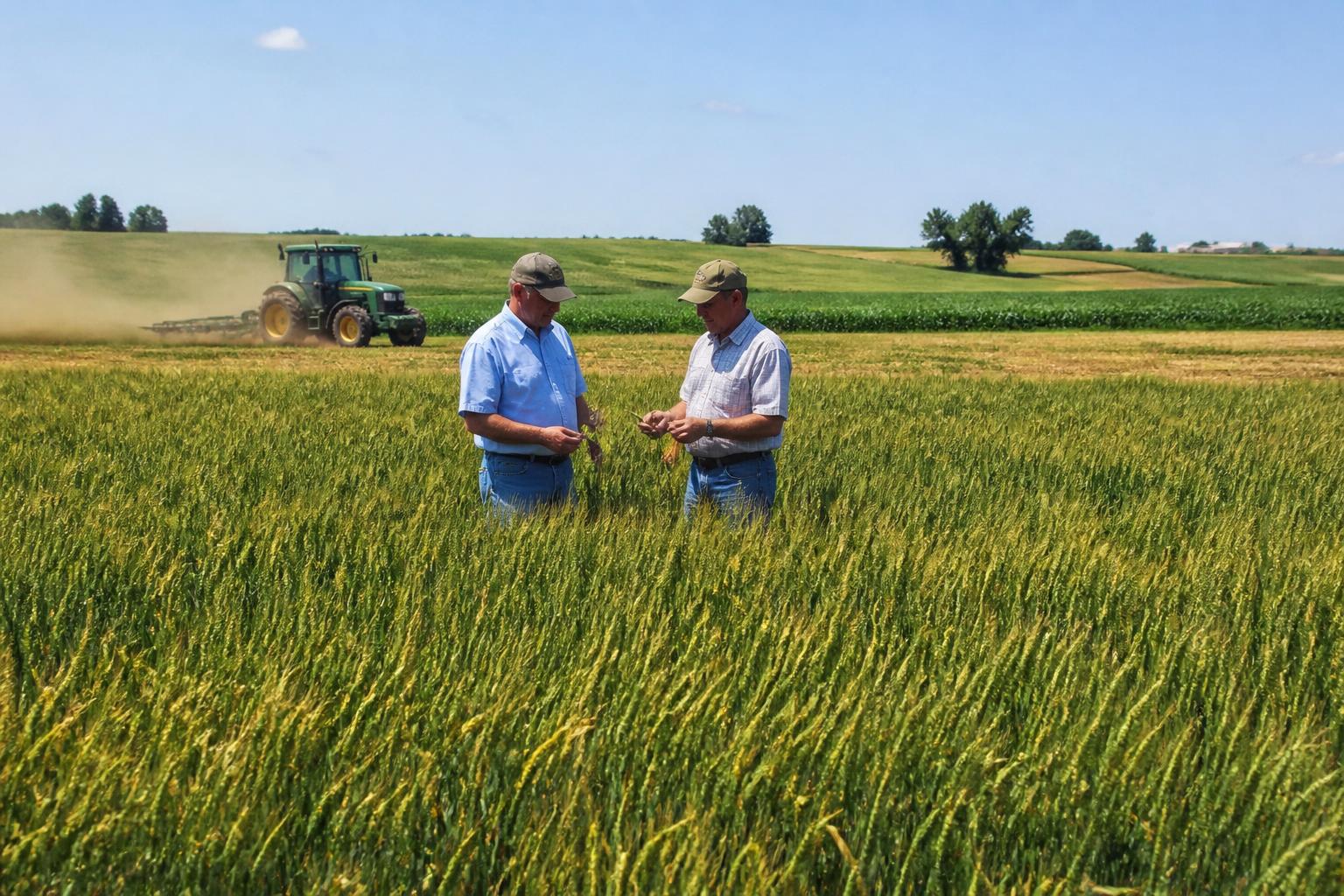
On the market side, U.S. wheat crop health has reached multiyear highs, driving strong export interest but also contributing to heavy supplies. According to agricultural economists at Oklahoma State University, including Todd Hubbs, this combination of favorable seasonal weather and substantial grain inventories has put downward pressure on grain market prices, forcing producers to look closely at input costs and risk management programs.
To support farmers facing these volatile market conditions, the USDA has announced a base acre increase opportunity under the Agriculture Risk Coverage (ARC) and Price Loss Coverage (PLC) safety net programs. This adjustment offers eligible producers a chance to update their historical crop bases, potentially securing stronger financial protection against price drops for key Oklahoma commodities.
Key Takeaways for Oklahoma Producers
- Uniform Labeling: The Supreme Court decision protects growers from localized pesticide warning labels, ensuring predictable access to essential chemical tools.
- Policy Watching: Federal initiatives are emphasizing soil health, highlighting the growing importance of integration between traditional pesticides and regenerative methods.
- Safety Net Updates: Eligible producers should evaluate the USDA base acre increase options to maximize their safety net protection amidst heavy grain supplies and lower market prices.
What it means for the market
For Oklahoma agribusinesses and input buyers, the preservation of federal pesticide labeling authority reduces the immediate risk of product shortages and localized distribution bans. However, with the national policy focus shifting toward biological alternatives and regenerative farm management, chemical manufacturers and local distributors will likely face growing pressure to diversify their crop protection portfolios. Producers must balance today\'s high-yield potential and heavy grain supplies with long-term soil protection strategies to remain competitive in a changing market.
Comments
No comments yet - be the first to share your take.