
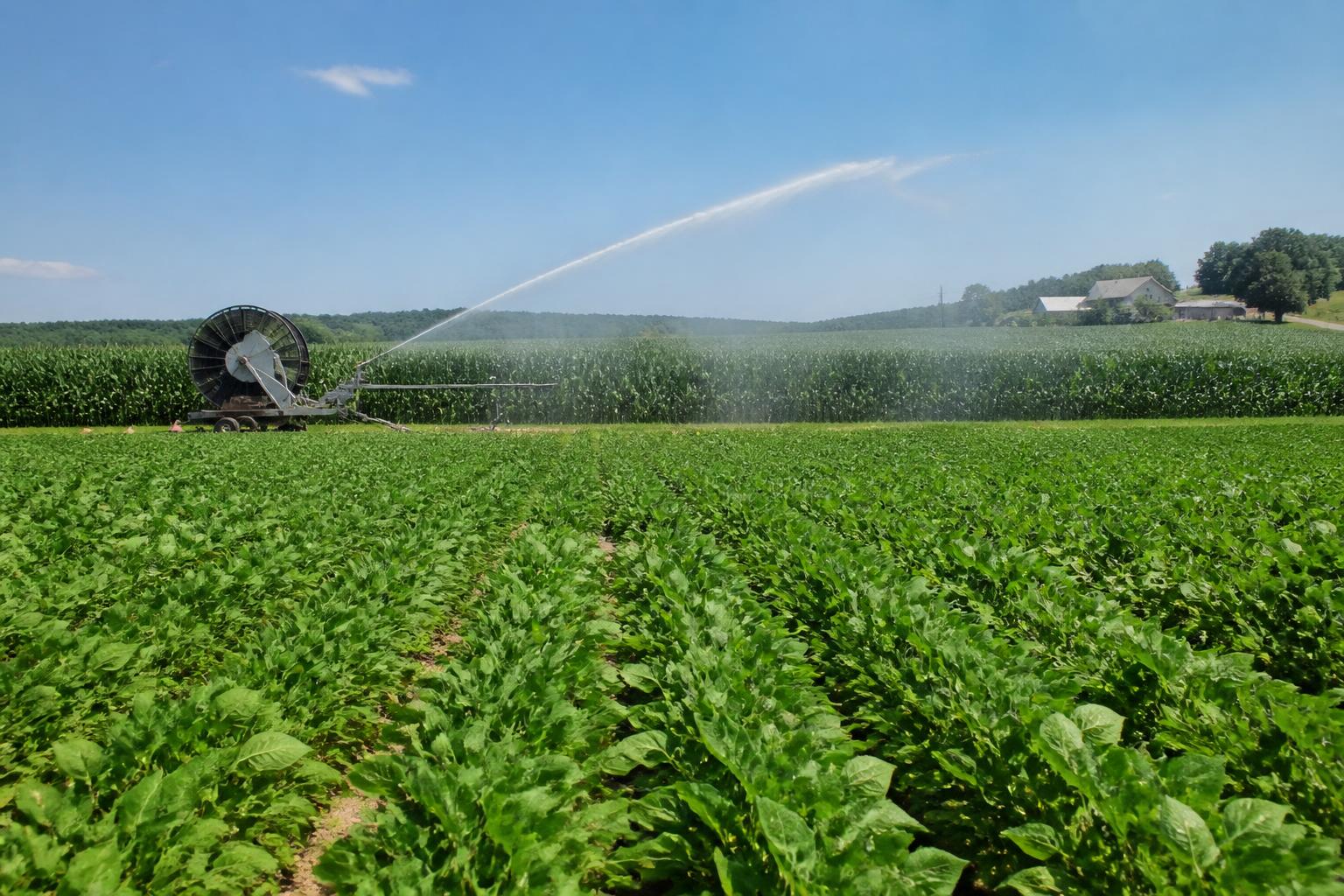
Frogeye Leaf Spot Poses Threat to Kentucky Soybeans
Frogeye leaf spot has become highly active in Kentucky soybean fields. This fungal disease, favored by the warm and humid conditions typical of a Kentucky summer, causes circular, gray lesions on leaves that can drastically reduce photosynthetic capacity. If left unchecked, severe infestations can lead to premature defoliation and significant yield loss.
To protect soybean yields, growers must commit to regular field scouting, particularly in fields with a history of the disease or those planted with susceptible varieties. While fungicide applications can be highly effective, growers are advised to select products with multiple modes of action. Resistance to group 11 (strobilurin) fungicides has been documented in various parts of the state, making diversified chemical strategies essential for effective control.
Monitoring Fall Armyworm Activity
In addition to fungal pathogens, Kentucky farmers must keep a close eye on insect pressures, particularly fall armyworms. These pests can migrate into the region and rapidly defoliate pastures, late-planted soybeans, and corn crops. Their feeding habits can decimate a crop field in a matter of days if the infestation is caught too late.
Effective management relies on early detection. Farmers should inspect field margins, look for signs of feeding damage, and count larvae per square foot. Implementing targeted insecticide treatments when thresholds are met can prevent the pests from moving deeper into productive acreage.
Managing Crop Protection Under Heat and Drought Stress
Crop protection decisions are further complicated this summer by pockets of dry weather and high heat hammering Kentucky crops. High temperatures place significant physiological stress on plants, making them more vulnerable to pest damage while also narrowing the safe window for pesticide applications.
Applying crop protection products during peak midday heat can cause crop injury, as stressed plants are less able to metabolize chemicals quickly. Furthermore, rapid evaporation in hot, dry conditions can reduce the coverage and efficacy of the application. Timing spray passes for the cooler morning or evening hours can optimize product performance. As growers evaluate their early season yields, such as those highlighted in our review of Kentucky summer grain prospects, protecting the remaining row crops through the heat of summer becomes the top operational priority.
What it means for the market
The convergence of active disease pressure from frogeye leaf spot and potential pest threats like fall armyworms will likely support steady demand for local crop protection inputs, particularly multi-mode fungicides and targeted insecticides. For grain handlers and agribusinesses, the success of these protective measures over the next few weeks will directly dictate the quality and volume of the upcoming fall harvest, ultimately impacting local basis and storage logistics across Kentucky.
Comments
No comments yet - be the first to share your take.