
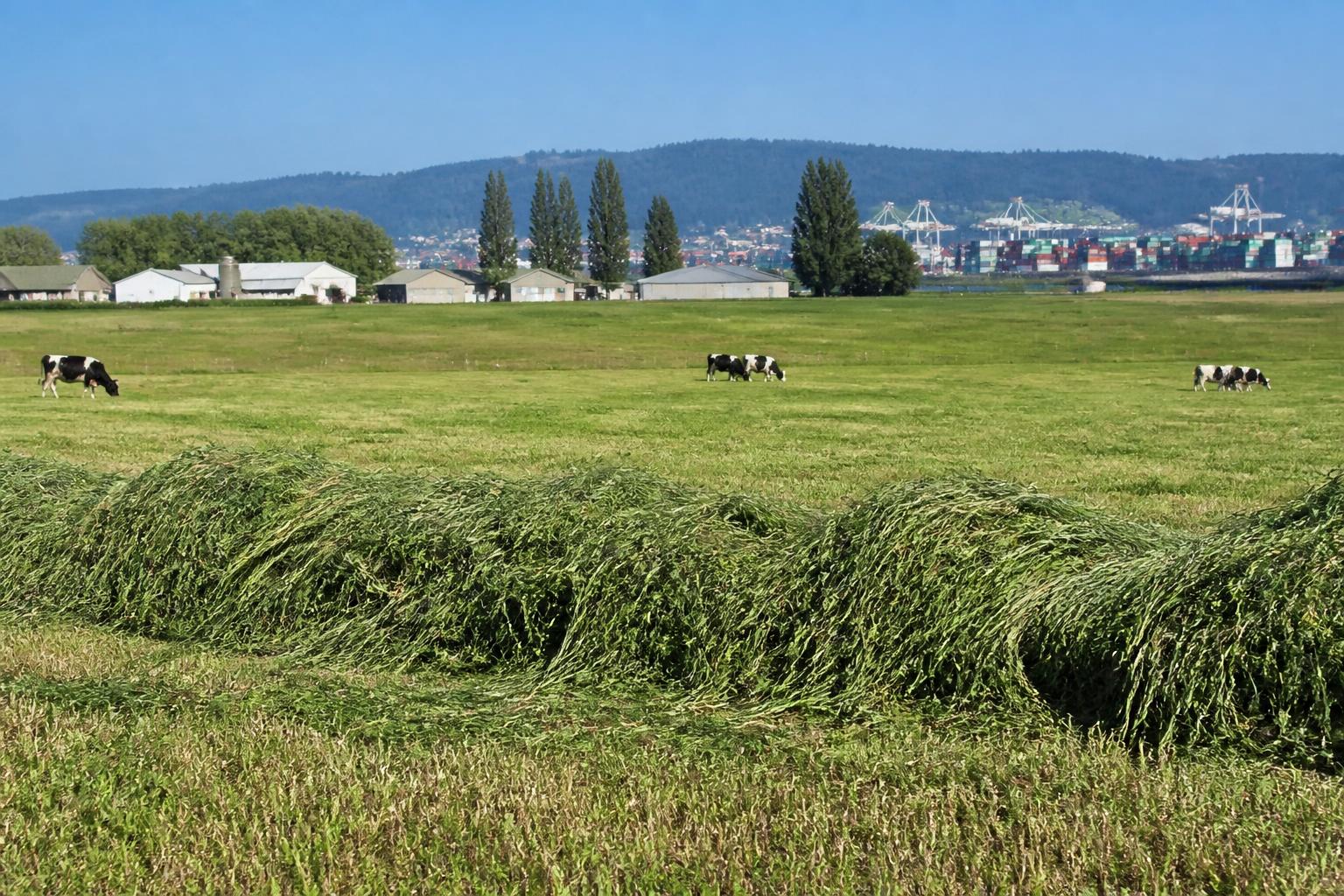
As the summer harvest gets underway across Oregon, the state's agricultural shippers are receiving a major boost in logistics capacity. The return of container service to the Port of Portland marks a critical turning point for regional exporters who have spent months navigating tight freight lanes and high transit costs to coastal ports. With key agricultural products starting to move from fields to processing hubs, this expanded shipping capacity offers a welcome relief valve for the Pacific Northwest supply chain.
From the high-value forage fields of Central Oregon to the diverse specialty crop operations in the Willamette Valley, secure transportation corridors are essential for maintaining market competitiveness. The latest shipping and localized infrastructure developments reflect a broader regional effort to streamline how Oregon's agricultural bounty reaches both domestic and international consumers.
Container Service Restored to the Port of Portland
The restoration of container service to Portland represents a major victory for regional agrologistics. For local grain, seed, and specialty crop producers, direct container access in Portland eliminates the need for expensive overland trucking to alternative West Coast ports. This development builds upon earlier efforts to secure the re-opening of container operations at the Port of Portland, offering a more predictable and cost-effective pathway for export-bound goods during the peak summer shipping season.
With global supply chains remaining highly sensitive to port disruptions, having a functional container terminal on the Columbia River reduces local shipping bottlenecks. It allows regional exporters to secure container space closer to the point of production, which is particularly beneficial for identity-preserved grains and packaged agricultural products requiring specialized containerized transport.
Hermiston and Central Oregon Address Growth and Infrastructure
Further inland, local municipalities are taking steps to expand development boundaries that support agricultural logistics and processing. In Eastern Oregon, the Hermiston City Council has progressed with plans for a Local Improvement District (LID) and an Urban Growth Boundary (UGB) expansion. As a major hub for irrigated crops, potatoes, and onions, Hermiston's expanding infrastructure plays a vital role in regional shipping networks, ensuring that local processing facilities can scale alongside transport capabilities.
Meanwhile, in Central Oregon, local hay growers are focusing on crop durability and quality through ongoing partnerships, including collaborative research with Oregon State University. High-quality forage from this region is heavily reliant on efficient overland shipping networks. Producers rely on well-maintained corridors to haul heavy hay bales to coastal terminals and regional dairies, making localized investments in Oregon agrologistics and infrastructure upgrades highly impactful for the high-desert agricultural economy.
Dairy Logistics and Fleet Challenges
The transportation of perishable agricultural products like milk remains another critical piece of Oregon's logistical puzzle. With the Oregon Dairy Association welcoming a new director with deep farming roots, the sector continues to advocate for stable transport routes and reliable freight hauling. Because milk must be moved daily from farm to processing plant without delay, weight restrictions, driver availability, and rural road conditions are constant priorities for dairy cooperatives across the state.
What it means for the market
For Oregon farmers and agribusinesses, the return of container service to Portland combined with localized municipal expansions in Eastern Oregon suggests a more resilient transportation landscape for the second half of 2026. Lowering the logistical hurdles to move freight out of the Pacific Northwest will likely help stabilize local basis prices for grains and forage. While truck driver shortages and regional road maintenance remain ongoing challenges, the expanded container access provides exporters with crucial leverage heading into the heart of the summer export season.
Comments
No comments yet - be the first to share your take.